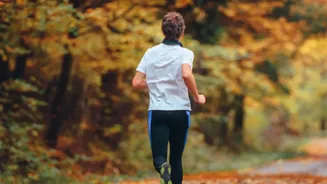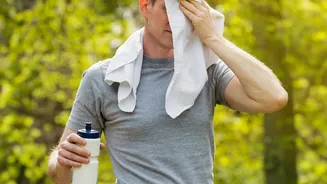







You’ve just crushed an outdoor run, feeling powerful and accomplished. But within minutes of stopping, a deep, bone-rattling chill sets in. This common experience isn't just uncomfortable; it’s your body sending a clear signal. Here’s the science.
The Science of the Shivers
That
post-workout chill is your body’s thermoregulation system at work. During exercise, your muscles generate a massive amount of heat, raising your core body temperature. To cool down, your body does two things: it sweats and it pumps more blood to your skin. The sweat evaporates, pulling heat away from your skin in a process called evaporative cooling. When you stop your workout, your muscles stop producing so much heat almost instantly. However, your body's cooling system doesn't shut off right away. Blood is still flowing to your skin and you're still covered in sweat, causing you to lose heat rapidly. Your brain’s thermostat, the hypothalamus, senses this sudden drop and triggers shivering to generate heat and bring your core temperature back to normal. This response is often delayed, meaning your body overcorrects, leading to those uncomfortable chills.
Why Wet Clothes Are the Enemy
The single biggest factor accelerating this heat loss is your damp workout gear. While sweating is your body's natural air conditioner, clothes soaked in sweat work against you the moment you stop moving. Water is incredibly effective at transferring heat away from your body—much more so than air. A wet t-shirt clinging to your skin acts like a siphon, continuously pulling warmth from your body as the moisture evaporates. This effect is magnified by any breeze or cool air, which increases the rate of evaporation and, consequently, the rate of heat loss. Staying in these damp clothes creates the perfect storm for a dramatic drop in body temperature, turning a physiological cooldown into an unpleasant full-body shiver. Beyond discomfort, it can even impact your immune system.
Your First Line of Defense: A Quick Change
The solution is simple yet powerful: change your clothes as quickly as possible. Removing the wet layers immediately halts the accelerated process of evaporative cooling against your skin. By swapping your damp, sweaty gear for a set of dry clothes, you remove the primary conductor of heat loss. This simple action allows your body to stabilise its temperature more naturally and effectively. Think of it as taking off a cooling vest the moment you no longer need it. Even if you can't shower right away, getting into a dry shirt, sports bra, and bottoms is the most critical step to preventing post-workout chills and staying comfortable. It’s also much healthier for your skin, as lingering in damp fabrics can trap bacteria and lead to skin irritation, chafing, or infections.
Dress Smarter Before You Start
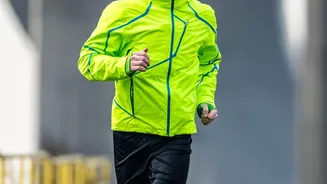
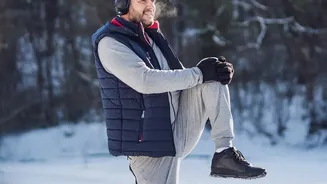
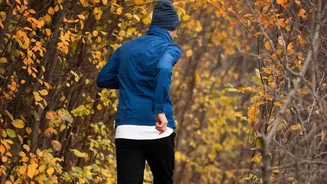
Preventing the chill begins before you even take your first step. Smart layering is key. Avoid cotton as a base layer, as it absorbs moisture and stays wet. Instead, opt for a moisture-wicking base layer made from synthetic materials like polyester or natural fibres like merino wool. These fabrics pull sweat away from your skin to the fabric's outer surface, where it can evaporate more easily, keeping you drier and warmer. For colder days, add a mid_layer for insulation, like a fleece, and a protective outer shell that is wind_resistant or waterproof. The beauty of layering is that you can remove a layer if you get too warm during your workout, which helps manage your sweat levels from the start.
Extra Tips for Staying Warm
Beyond changing clothes, a few other habits can help your body manage its temperature more effectively. Don’t skip your cool_down; gradually lowering your heart rate over 5–10 minutes helps your thermoregulatory system adjust more smoothly instead of a sudden stop. Also, remember to rehydrate. You lose a lot of fluid through sweat, and dehydration can impair your body's ability to regulate temperature. Finally, have your dry clothes and a towel ready to go. The less time you spend exposed to the air in wet clothes, the less chance those shivers have of starting. Packing a warm, dry hat can also make a big difference, as you lose a significant amount of heat through your head.