


A Nationwide Digital Haat
The numbers don't lie. Major e-commerce players have reported a massive surge in demand for ethnic wear. Myntra, for instance, has seen its premium ethnic wear category double in growth, with a significant portion of sales coming from metros and Tier-1
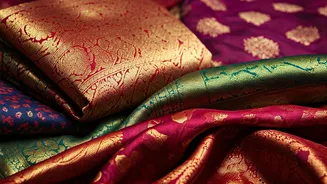
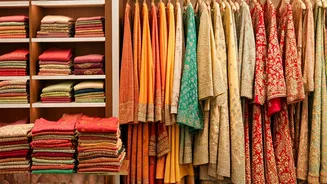
cities. [3, 4, 5, 9] The Indian women's ethnic wear market is on a trajectory to become a multi-billion dollar industry, with projections estimating its value could reach $24 billion by 2025. [3, 5] This isn't just about festive shopping anymore. The trend points to a deeper integration of regional styles into the everyday wardrobe. E-commerce platforms have effectively become a digital 'haat' or marketplace, connecting artisans from remote clusters directly with consumers in bustling cities and even across the globe. [2, 14] This digital bridge has eliminated many traditional middlemen, improving earnings for weavers and making unique, handcrafted items more accessible than ever. [14, 18]
The Gen Z and Millennial Stamp of Approval
Driving this sartorial revolution are India's younger consumers. For Gen Z and millennials, ethnic wear is no longer confined to their parents' wardrobes or reserved for religious ceremonies. [7, 8] It has become a powerful tool for self-expression and a marker of cultural confidence. [7, 16] This generation is not just wearing traditional clothes; they are reinventing them. You'll see Chikankari kurtas paired with ripped jeans, handloom sarees styled with sneakers, and Jaipuri print corset tops taking over Instagram feeds. [6, 10, 16] This fusion style is about making heritage relevant and personal. It dismantles the old rules that dictated when and how ethnic wear should be worn, bringing it into lecture halls, cafes, and daily life. [10, 16]
A Search for Authenticity and Sustainability
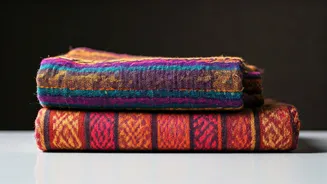
The shift towards regional wear is also part of a larger, global move away from fast fashion. Younger shoppers are increasingly value-conscious, seeking sustainability, and wanting to know the story behind their clothes. [7, 20] They are drawn to the authenticity of handloom fabrics like Khadi and Ikat, and the intricate craftsmanship of block prints and embroidery. [7, 22] There's a growing appreciation for garments that are not just beautiful but also ethical and eco-friendly. [20, 29] Choosing a handwoven piece is seen as a way to support local artisans and preserve India's rich textile legacy, making fashion a conscious choice rather than a fleeting trend. [8, 14]
From Niche Crafts to Trending Products
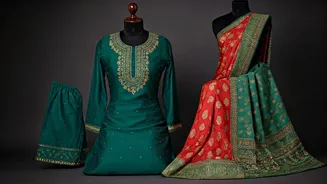
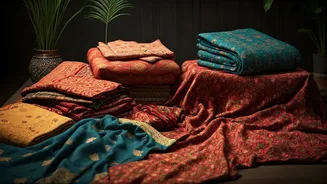
So, what specific styles are filling these digital wishlists? The demand is incredibly diverse. Comfortable and chic ethnic co-ord sets have become a major hit, perfect for both work and casual outings. [6] Pre-draped sarees, saree gowns, and modern blouses are making the nine yards more accessible and versatile. [6, 25] Kurtas, an evergreen staple, are being reimagined in contemporary silhouettes, while flowy Anarkalis, lightweight lehengas, and sharara sets remain popular for celebratory occasions. [28] On the crafts front, detailed mirror work is making a comeback, and textiles like Chanderi, Ajrakh, and Kalamkari are finding a permanent place in modern closets, celebrated for their unique stories and artisanal touch. [7, 20, 28]