






The Political Deep Freeze
Formal trade relations between the two nuclear-armed neighbours have been in a deep freeze since 2019. Following the Pulwama terror attack, India revoked Pakistan's 'Most Favoured Nation' (MFN) status and imposed a prohibitive 200% tariff on Pakistani
imports. In response, Pakistan formally suspended bilateral trade with India after the constitutional changes in Jammu and Kashmir later that year. This diplomatic standoff brought official commerce to a near-standstill, closing crucial land routes like the Attari-Wagah border to most goods and forcing businesses to look elsewhere. Despite periodic calls from business communities on both sides to resume direct trade, political hurdles have remained insurmountable.
The Dubai Detour
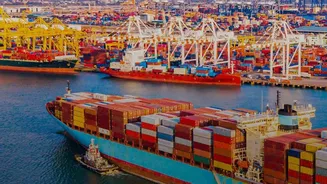
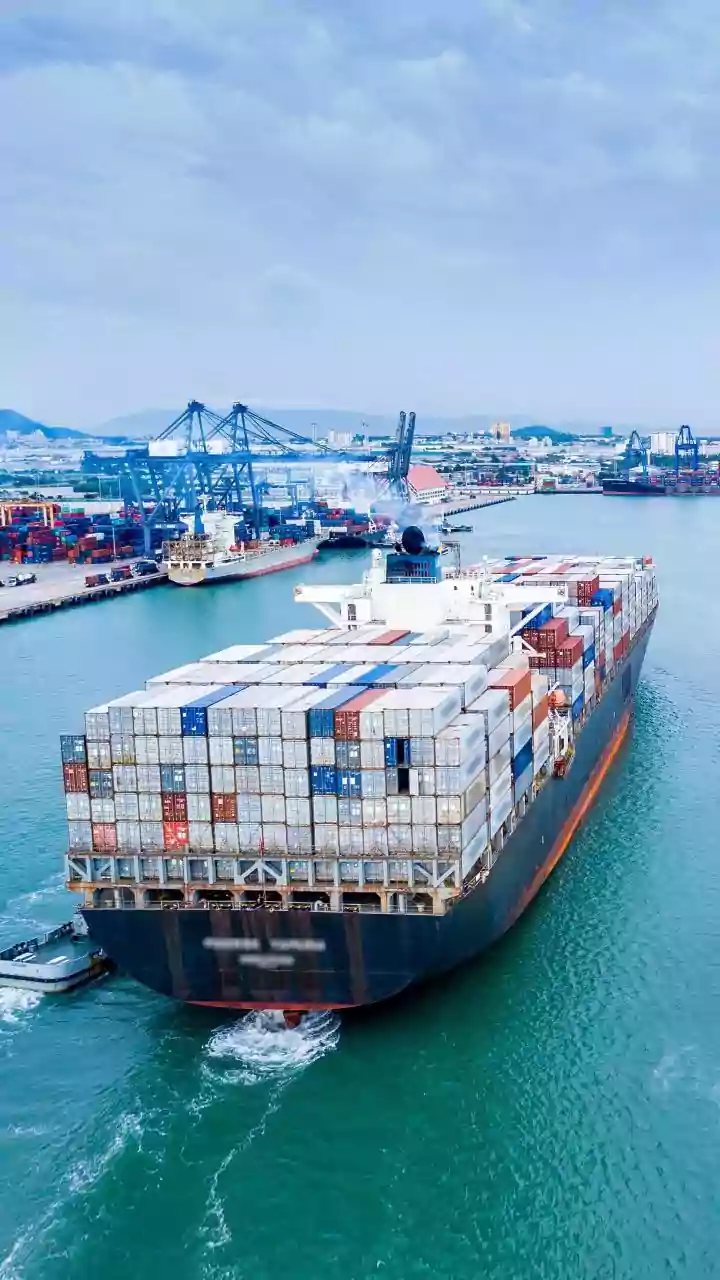
When the front door closes, goods find a side entrance. For India and Pakistan, that entrance is often the United Arab Emirates. Dubai, with its world-class port infrastructure and business-friendly free zones, has become the primary intermediary for this indirect trade. The process is an open secret: Indian companies export their goods to a trading partner in Dubai. Once there, the goods are often repackaged, their documentation is altered to reflect a UAE origin, and they are then re-exported to Pakistan. This rerouting also occurs through other hubs like Singapore and Sri Lanka, but Dubai's geographical proximity and established trade networks make it the preferred channel.
What's in the Shopping Cart?
The goods moving along these indirect routes are not niche products; they are often essential commodities. Pakistan's significant demand for Indian products includes pharmaceutical ingredients, vaccines, organic chemicals, textiles, and machinery parts. For instance, Pakistan's pharmaceutical industry has historically relied on raw materials from India. Similarly, Indian agricultural products, spices, and chemicals find their way into Pakistani markets. In the other direction, Pakistani products like dry fruits, dates, textiles, and leather goods reach India through the same intermediary channels. This flow is sustained by decades of commercial links, shared consumer tastes, and simple geography.
The High Cost of Indirect Trade
While this workaround keeps commerce alive, it comes at a significant cost. Every stop in a third country adds expense—margins for middlemen, additional shipping and freight charges, and port handling fees. These added costs are ultimately passed down to consumers and businesses, making goods more expensive than they would be if traded directly. The Pak-India Business Council has estimated that the suspension of direct trade has led to substantial economic losses, particularly for Pakistan, which is forced to source essential items from more distant and expensive markets. For example, importing raw materials for pharmaceuticals or cotton for the textile industry from India would be significantly cheaper and faster due to geographical proximity.
An Economic Reality
The persistence of this indirect trade, estimated by some to be worth billions of dollars, highlights a fundamental truth: economic necessity often outweighs political posturing. Even with formal relations at a low, the commercial logic for trade between the two largest economies in South Asia is compelling. Recent data from Pakistan's central bank shows a notable increase in payments for imports from India, underscoring the continued, albeit indirect, commercial dependency. This reality fuels repeated calls from business federations in Pakistan for a normalisation of trade relations, arguing that it would lower costs, reduce inflation, and boost industrial competitiveness.