

Master the Art of Watering
The most common mistake new plant owners make is overwatering. While it comes from a place of care, too much water suffocates roots, leading to root rot. Instead of watering on a fixed schedule, check the soil first. A simple trick is the 'finger test':
stick your finger about two inches into the soil. If it feels dry at that depth, it's time to water. If it's moist, wait another day or two. When you do water, do it thoroughly until water runs out of the drainage holes in the bottom of the pot. Then, be sure to empty the saucer underneath so the plant isn't left sitting in a puddle.
Understand Your Home's Light
Light is food for plants, and every home has different light conditions. You don't need to be an expert to figure yours out. 'Bright, indirect light' is the sweet spot for most popular tropical houseplants, meaning a spot that is well-lit but where the sun's rays don't shine directly on the leaves for hours. Think of a spot near an east-facing window or a few feet back from a sunny south-facing one. A simple test is to hold your hand up; if you can feel the sun's heat, that's direct light, which can scorch the leaves of many plants. If you see light on your hand but don't feel heat, that is likely indirect light. Low light doesn't mean no light; it just means a spot further from a window that still receives some natural brightness.
The Right Foundation: Pots and Soil
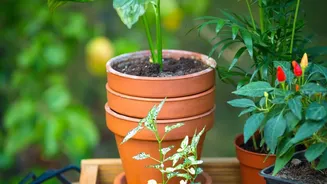
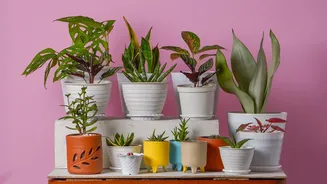
The right container is just as important as water and light. The single most crucial feature of any pot is a drainage hole. Without it, excess water has nowhere to go, creating a recipe for root rot even if you water carefully. When it comes to soil, using a pre-sterilised, balanced potting mix from a store is the easiest and safest choice for beginners. Avoid using soil from your garden, as it can be too dense, lack proper nutrients, and may contain pests or pathogens. When you first bring a plant home, resist the urge to repot it immediately. Let it acclimate to your home's environment for a few weeks. Repotting is only necessary when the plant becomes 'rootbound', which is when roots are tightly circling the pot or growing out of the drainage holes.
Choose Your Green Friends Wisely
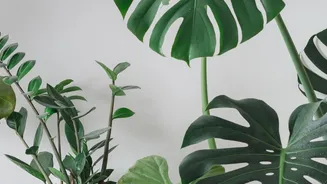
Set yourself up for success by starting with plants known for being forgiving and low-maintenance. For beginners in India, some of the most resilient and popular choices are nearly impossible to kill. The Snake Plant is extremely tolerant of low light and infrequent watering. The ZZ Plant is perfect for busy people as it thrives on neglect and stores water in its roots. The Money Plant, or Pothos, is another fantastic starter plant that grows quickly, can tolerate a range of light conditions, and will visibly droop to tell you when it's thirsty. Starting with one or two of these hardy plants can build your confidence as you learn their rhythms.
A Little Goes a Long Way
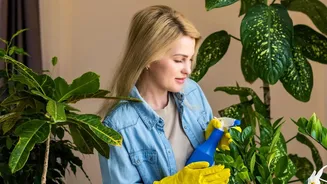
Beyond the basics, a few simple habits can make a big difference. During the main growing seasons (spring and summer), you can support your plant's growth by using a general-purpose houseplant fertiliser every few weeks, but reduce feeding in the winter when growth naturally slows. Keep an eye out for pests by occasionally checking the undersides of leaves. Many common pests can be managed by simply wiping the leaves with a cloth and some mild, soapy water. Finally, remember that some humidity is beneficial for many tropical plants. Grouping plants together or placing them in a naturally more humid room like a kitchen or bathroom can help them thrive.