


The Nine Nights of Energy
The festive season kicks into high gear with Sharad Navratri, which begins on Sunday, October 11, and continues until Monday, October 19. This nine-night festival is dedicated to the worship of Goddess Durga and her nine divine forms. For millions across
the country, these days are marked by fasting, prayer, and evening rituals. But beyond the quiet devotion, Navratri is a powerhouse of community celebration, setting a vibrant tone for the weeks to come. Each day has a designated colour, turning cities into a coordinated canvas of festive fashion. The festival culminates on Tuesday, October 20, with Vijayadashami, more popularly known as Dussehra, celebrating the ultimate victory of good over evil.
Garba and Dandiya Hotspots
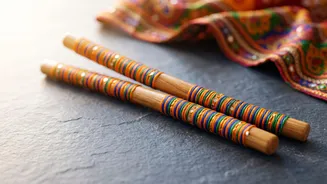
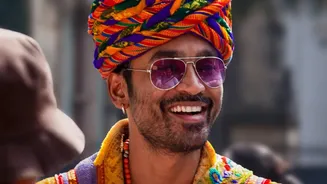
In Western India, particularly Gujarat and Maharashtra, Navratri nights are synonymous with the energetic whirl of Garba and the rhythmic click-clack of Dandiya Raas. Huge grounds in cities like Ahmedabad, Vadodara, and Mumbai transform into open-air dance floors. Dancers, dressed in elaborate and colourful chaniya cholis and kurta pajamas, move in concentric circles around a central shrine dedicated to the Goddess. These events are a spectacular display of coordination and cultural pride, often going late into the night. For 2026, organizers are planning a full-scale return to these grand gatherings, making it a must-see for anyone wanting to experience the festival's pulsating energy.
The Grandeur of Durga Puja
While western India dances, eastern India, especially West Bengal, immerses itself in the artistic and devotional fervor of Durga Puja. The festival, which overlaps with the latter half of Navratri, sees cities like Kolkata come alive with thousands of ornate temporary temples called pandals. Each pandal houses a beautifully crafted idol of Goddess Durga defeating the demon Mahishasura and often follows a unique artistic theme. For five days, from approximately October 16 to October 20, life revolves around pandal-hopping, indulging in delicious street food, and enjoying cultural performances. The celebration concludes with the immersion of the idols in the river, a poignant farewell to the Goddess.
Dussehra's Dramatic Flourish
As Navratri concludes, the entire nation celebrates Dussehra on October 20. In North India, the day is marked by the culmination of Ramlila plays, which enact stories from the epic Ramayana. The celebration's climax is the dramatic burning of towering effigies of the demon king Ravana, his brother Kumbhakarna, and his son Meghnad. This public spectacle, often accompanied by fireworks, symbolizes the destruction of evil and is a powerful community event. In the south, the city of Mysuru hosts the world-renowned Dasara, which features a majestic procession known as Jamboo Savari, where the idol of Goddess Chamundeshwari is carried on a decorated elephant through the city's streets.
A Month of Feasting and Fashion
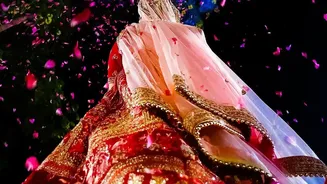
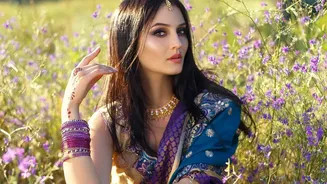
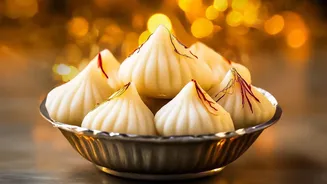
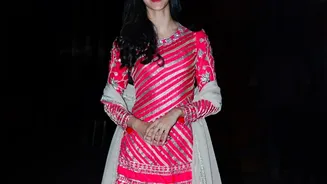
Beyond the regional spectacles, the festive period is a time for socialising, shopping, and, of course, feasting. Markets buzz with people buying new clothes, with traditional wear like sarees, lehengas, and kurtas being in high demand. Families prepare special festive foods, from the sattvic meals for those fasting during Navratri to the rich, celebratory dishes of Durga Puja and Dussehra. It’s a time when fashion trends are set, with oxidized silver jewelry and vibrant, traditional textiles taking center stage. The sense of collective joy is palpable, as the festivities provide a perfect excuse for family reunions and gatherings with friends, setting the stage for Diwali preparations which begin just twenty days after Dussehra.