





From Obligation to Intention
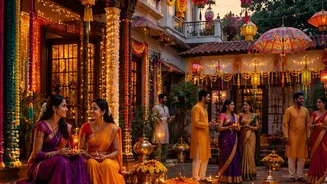
The culture of gifting in India is deeply rooted, often seen as an expression of love, respect, and social connection. Historically, the act of 'Dana', or selfless giving, was about the sentiment, not the price tag. However, in recent decades, this transformed
into a form of obligatory, consumer-driven excess, where the value of the gift often overshadowed its meaning. The current trend towards minimalism is a course correction. Families, particularly younger members, are redefining what makes a gift 'good'. It's no longer about the biggest box or the flashiest brand, but about intention. The focus is shifting from mass-produced items to gifts that tell a story, reflect shared values, or show genuine thought.
The Rise of Conscious Consumerism
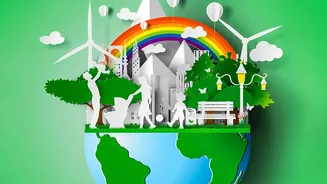
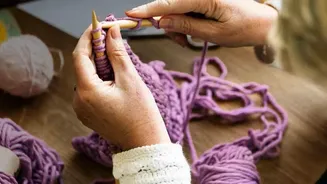
A growing environmental consciousness is a significant driver of this change. The waste generated during major festivals is staggering, with tonnes of plastic packaging, synthetic wrappers, and single-use items ending up in landfills. Many Indians, especially in urban areas, are now acutely aware of this environmental toll. This has led to a demand for sustainable alternatives. Gifts like handmade items from local artisans, plantable stationery, upcycled products, and eco-friendly packaging are gaining popularity. Some reports indicate that a majority of Indian consumers are now willing to pay a premium for environmentally friendly products, signalling a powerful shift in market dynamics. This is not just a trend; it's a cultural movement towards celebrating responsibly.
Experiences Over Possessions
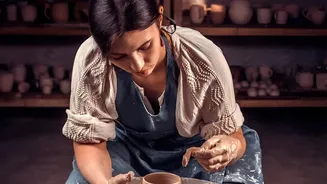
Another major factor is the Millennial and Gen Z-led preference for experiences over physical objects. Rather than another gadget or piece of clothing, many now prefer to give and receive memories. This could be a family trip to a nearby retreat, a subscription to a pottery workshop, tickets to a concert, or even a curated stargazing night. After years of social distancing, families are seeking opportunities to bond and create lasting memories together. Gifting an experience is seen as a way to invest in relationships and personal growth, offering a deeper sense of fulfilment that a material item often cannot match. This reflects a broader global trend where personal well being and shared moments are becoming the new symbols of a rich life.
Economic Prudence and Financial Wellness
While values are shifting, practical economics also play a crucial role. Rising inflation and tighter household budgets are making families more cautious about their festive spending. For many, the pressure to buy expensive gifts for a long list of relatives and friends has become a source of financial stress. Recent surveys indicate that a significant portion of households feel their financial situation has worsened and plan to spend less during the festive season. Minimalist gifting provides a graceful exit from this cycle of competitive spending. It allows families to show affection and respect without straining their finances, aligning with a growing desire for financial wellness and long term security over short term festive splurges.
Personalisation as the New Premium
Minimalism in gifting doesn't mean cheap or thoughtless. In fact, it often means the opposite. The new definition of a 'premium' gift is one that is highly personalised. This could be a piece of jewellery with a meaningful engraving, a curated hamper of artisanal foods that cater to the recipient's specific tastes, or a hand painted piece of art. The gift becomes an expression of how well you know the person. This move away from the 'one size fits all' gift hamper towards something unique and personal is a key feature of the minimalist trend. It's a return to the core idea of gifting: to make someone feel seen, understood, and appreciated.