



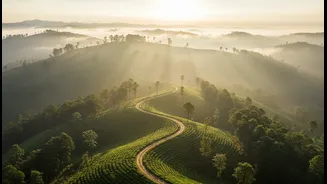


Beyond the Buzzword: What is Slow Travel?
Slow travel isn’t about moving at a snail's pace; it's a shift in perspective. It’s about choosing depth over breadth, connection over a crowded itinerary. This philosophy rejects the idea of tourism as a scavenger hunt for photo opportunities and instead
encourages you to be present. It means spending more time in fewer places, engaging with local culture, and leaving room for the unexpected. Stemming from the “slow living” movement, which began in Italy as a response to fast food, slow travel applies the same principles to exploring the world: quality over quantity, and appreciating the journey as much as the destination. It’s the difference between seeing a place and truly experiencing it.
Why Hill Towns Are Perfect for a Slower Pace
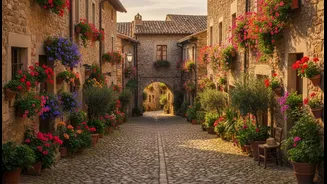
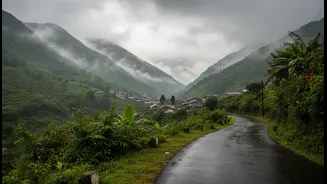
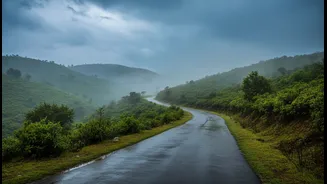
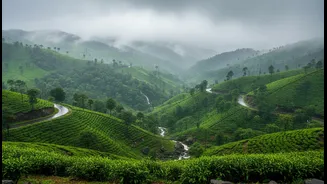
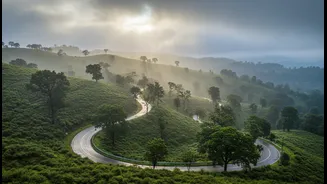
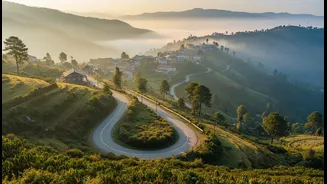
Indian hill stations are uniquely suited for this approach. Many, like Shimla or Mussoorie, were established as colonial retreats, designed for leisure and escape, not speed. Their very layout—winding lanes, hidden staircases, and sprawling estates—invites unhurried exploration. Beyond the bustling Mall Roads lies a different rhythm. Life in places like Almora or Kodaikanal moves at a more deliberate pace, where mornings are for quiet walks and evenings for conversations over tea. Rushing through these towns means you miss their essence: the scent of pine after a rain shower, the chime of a temple bell, the stories of a local shopkeeper. These are destinations that reward the traveller who is willing to put away the checklist and simply wander.
Swap the Checklist for Genuine Connection
Instead of ticking off a list of ‘must-see’ points, try dedicating your time to ‘must-do’ experiences. Rather than rushing between three viewpoints in a day, pick one and stay. Watch how the light changes, listen to the sounds, and soak in the atmosphere. Spend an afternoon in a single cafe, reading a book or just people-watching. Sign up for a local cooking class, visit a weaver’s workshop, or spend a morning at a local market. This approach allows you to support local businesses, such as family-run guesthouses and restaurants, directly contributing to the community you are visiting. These interactions create memories that last far longer than a selfie at a crowded tourist spot.
An Itinerary of Intentional Wandering
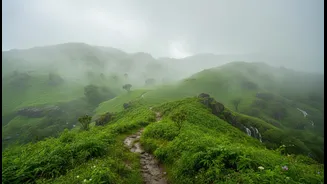
So, what does a slow travel plan look like? It's less about a minute-by-minute schedule and more about a gentle framework. For a weekend in a place like Landour or Kanatal, your plan might be: “Day 1: Settle into the homestay, take a long walk through the deodar forest, and find a local cafe for dinner.” Your Day 2 could be as simple as: “Explore the old bazaar and see where the day leads.” This leaves space for spontaneity. Maybe you’ll get a recommendation from a local to visit a hidden waterfall or an ancient temple. By staying in one place for longer and using transport like local buses or simply walking, you reduce travel stress and your environmental footprint, all while seeing the area from a more authentic perspective.