




The State of the 2026 Monsoon
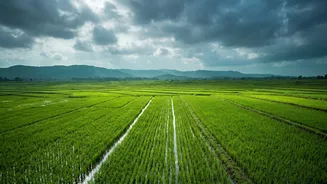
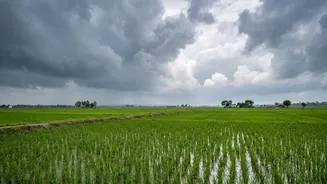
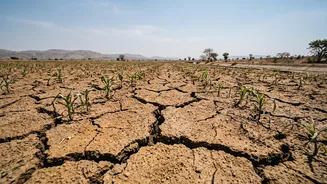
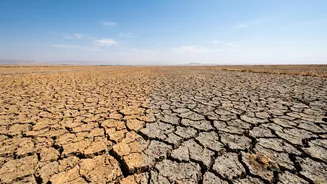
The 2026 southwest monsoon has been erratic. After a dry June, July brought a recovery, but August has again seen widespread deficiency. As of late August, cumulative rainfall for the season was around 13% below the long-period average. While kharif sowing
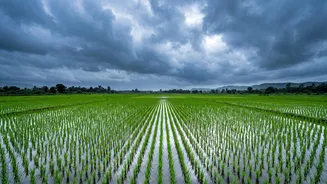
has caught up and is only slightly behind last year's levels, with total acreage at 1071.10 lakh hectares as of August 28, the focus has now shifted from the area planted to the health of the standing crops. The India Meteorological Department (IMD) has forecast subdued rainfall activity over Peninsular India for the first week of September, which is causing significant concern. Private forecaster Skymet has also downgraded its forecast, citing the strengthening El Niño pattern.
Why Late-Season Rains Are Crucial
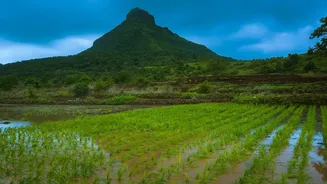
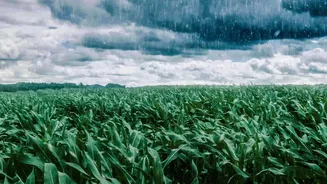
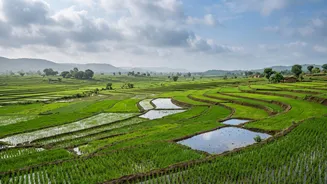
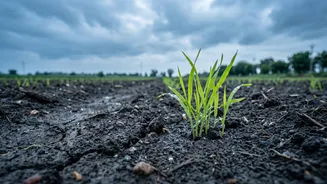
September rainfall is vital for the kharif or summer crop season. Many key crops, including rice, pulses, and oilseeds, are in their critical grain-filling and maturation stages. A lack of moisture at this point can severely impact the final output, even if the initial sowing was healthy. These late showers are essential for ensuring good yields and replenishing soil moisture, which is also critical for the upcoming rabi (winter) sowing season. A dry September not only threatens the current harvest but also casts a shadow over the next cropping cycle by depleting reservoirs and groundwater levels.
The Direct Hit on Crop Yields
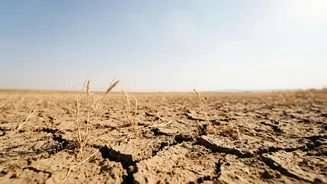
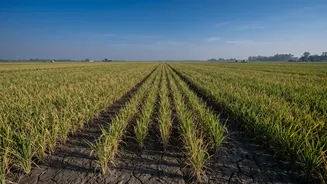
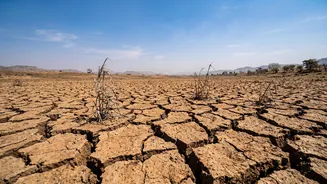
The primary and most immediate impact of a rain deficit will be on agricultural output. Paddy (rice) is particularly vulnerable, with sowing already down by about 3.3% compared to last year due to poor rains in key growing states. Continued water stress can lead to poor grain development and a lower yield per hectare. Coarse cereals and some oilseeds are also at risk, especially in regions with poor irrigation facilities. While pulses have seen a slight increase in sown area, their yields are also dependent on adequate moisture during this final growth phase. Even in irrigated areas like Punjab, which has seen a 33% rainfall deficit, sufficient rain is needed for optimal growth as it complements irrigation.
A Mounting Bill for Farmers
For farmers, a dry spell means higher costs and greater financial distress. In the absence of rain, they are forced to rely more heavily on irrigation, which often means running diesel-powered water pumps. This increases their expenditure on fuel at a time when they are already dealing with high input costs. Lower yields also mean a smaller harvest to sell, directly cutting into their income and ability to repay loans. This dual pressure of rising costs and falling revenues can trap farmers in a cycle of debt and make agriculture an even more precarious livelihood. The government has acknowledged the risk, identifying over 100 districts with low irrigation coverage as being most vulnerable this season.
The Ripple Effect on Your Kitchen Budget
The journey from a dry farm to your dinner plate is a short one. Lower crop production inevitably leads to a tighter supply in the market. When supply shrinks and demand remains constant, prices rise. This is the core of food inflation. Recent data from July 2026 already showed food inflation climbing to 5.52%. A weak September could exacerbate this trend. According to one report, a significant monsoon shortfall could push overall consumer price inflation for the financial year to 5.5% or higher. While the government has buffer stocks of staples like rice and wheat, the prices of vegetables, pulses, and other perishable goods are more immediately sensitive to supply disruptions, potentially making daily groceries more expensive for millions of households.