





The Silent Strain on India’s Cattle
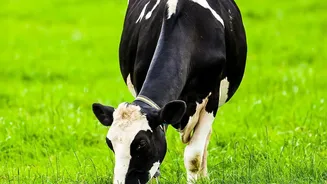
Dairy cows and buffaloes are sensitive creatures of comfort. They have a specific temperature range, known as the thermo-neutral zone, where they thrive. When high temperatures combine with humidity, as they frequently do during Indian summers, cattle
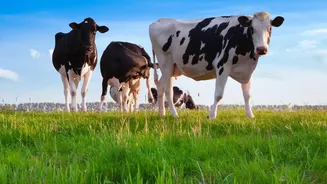
begin to experience heat stress. Unable to cool down efficiently, their bodies prioritise survival over production. Their appetite drops, they drink more water, and their internal metabolism is disrupted. This physiological strain has a direct and immediate impact: they produce less milk. High-yielding cross-bred cows, prized for their productivity, are ironically more vulnerable because their high metabolism already generates significant body heat.
The Ripple Effect from Farm to Fridge
The impact of heat stress is not just a marginal dip. Studies and farmer reports from states like Maharashtra show milk yields can drop by as much as 25% during peak summer months. This reduction isn't limited to quantity; the quality of the milk, specifically its fat and protein content, can also decline. For India's 80 million dairy farmers, many of whom are smallholders, this translates into a direct loss of income. A single cow producing a few litres less per day might seem small, but when multiplied across millions of animals, it creates a significant shortfall in the national milk supply. This tightening of supply, a fundamental economic principle, is a key driver of price increases for consumers.
The Rising Cost of Keeping Cool
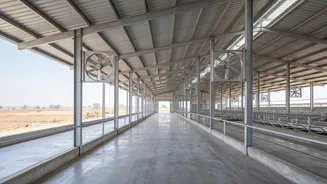
Farmers are not passive victims; they are actively fighting to protect their herds and livelihoods. To combat heat stress, they are investing in mitigation strategies. This includes installing fans and water sprinklers, building better-ventilated sheds, providing more shade, and even adjusting feeding schedules to cooler parts of the day. However, these essential measures come at a cost. Electricity bills for running fans, the capital expense for misters, and the increased cost of specialised, energy-dense feed all add to the cost of producing a litre of milk. These additional expenses are inevitably factored into the procurement price paid by dairy cooperatives and, eventually, the retail price you pay in the store.
A Looming Fodder Crisis
The problem extends beyond the cow itself and into the fields. Climate change is making weather patterns more erratic, affecting the availability and quality of fodder. Delayed or deficient monsoons can devastate green fodder crops like maize and sorghum, which form the backbone of a dairy animal's diet. When fodder is scarce, its price skyrockets, sometimes doubling or more. This creates a double bind for farmers: their cows are producing less milk due to heat stress, while the cost to feed them is simultaneously increasing. This feed scarcity is a powerful inflationary pressure on the entire dairy ecosystem.
Looking Ahead: Building a Resilient Dairy Sector
The challenge of heat stress is not going away; projections indicate it will intensify. The Lancet has warned that rising temperatures could slash milk production in some parts of India by 25% by 2085. Recognizing this long-term threat, efforts are underway to build a more climate-resilient dairy industry. The Indian government has initiated programs to identify and promote indigenous cattle breeds like the Gir and Sahiwal, which are naturally more heat-tolerant than many cross-bred varieties. Further research into improved animal nutrition, farm management practices, and affordable cooling technologies is critical. For India to maintain its status as the world's largest milk producer and ensure affordable nutrition for its population, adapting to a warmer climate is no longer optional.