




Understanding the Slippery Science
Many homes in India feature beautiful, durable flooring like marble, vitrified tiles, or polished stone. While these surfaces are easy to clean and look elegant, they become incredibly slippery when wet. Water creates a thin layer between your footwear
and the floor, drastically reducing the coefficient of friction—the force that provides grip. This loss of traction is what leads to unexpected and often serious slip-and-fall accidents. It doesn't take a large puddle; even a small amount of moisture can be enough to cause a fall, making vigilance crucial during the rainy season.
Your First Line of Defence: The Doormat
The battle against indoor puddles begins at your front door. A high-quality doormat is your most effective tool for trapping water and mud before they enter your home. For outdoor use, a tough mat made of coir (coconut fibre) or rubber is excellent for scraping off debris. Inside the door, a second, highly absorbent mat made of microfiber or cotton can soak up remaining moisture from shoes. Some experts recommend having enough matting to cover a few footsteps, as a single step is often not enough to dry shoe soles completely. Ensure your mats have a non-slip rubber backing to prevent them from sliding around and creating another hazard.
Create a Designated 'Drip Zone'
One of the simplest ways to contain the mess is to establish a dedicated spot for wet items. Designate a corner near your entrance as the official 'drip zone'. Place a waterproof tray or a super-absorbent mat here for family and guests to leave their wet footwear. An umbrella stand, preferably one with a built-in drip tray, is essential to stop water from pooling on the floor. Some creative solutions include using large planters or decorative buckets to hold umbrellas. Having a nearby coat rack for damp raincoats and jackets also helps keep water confined to one easy-to-manage area.
The Importance of Immediate Action
Even with the best preventive measures, water will sometimes make its way onto your floors. The key is to act fast. Wipe up any spills or puddles immediately. Keeping a dry microfiber mop or cloth near the entrance can make this a quick and easy habit to adopt. When mopping, it's better to use a damp mop rather than one that is soaking wet, as excess water will take longer to evaporate in humid monsoon weather and can even leave behind a slippery residue. Using a floor wiper first to push excess water towards a drain or out the door can make the final mopping more effective.
Rethink Your Indoor Footwear
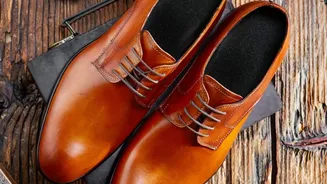
What you wear on your feet inside can make a significant difference. Walking barefoot or in socks on a slick, wet floor is a recipe for disaster. If you prefer to wear footwear indoors, choose slippers or sandals with good, slip-resistant soles. Avoid shoes with smooth, worn-out bottoms that offer little to no traction. Encouraging family members to switch into their indoor footwear as soon as they enter the house can be a simple yet effective household rule for enhancing safety.