




A Puzzling Overlap
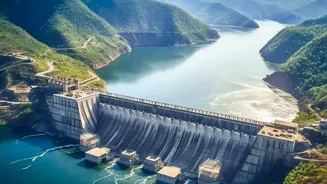
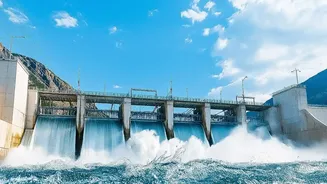
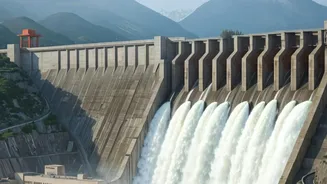
A recent New York Times investigation has highlighted a perplexing geographical correlation that has analysts and experts concerned. For years, water security specialists have questioned Iran's construction of at least 533 dams, many in regions where
the agricultural or economic benefit was unclear. The puzzle deepened when Nima Shokri, a researcher at Germany's Hamburg University of Technology, compared a map of these dams to the locations of recent US and Israeli airstrikes against suspected missile facilities. He noted a striking overlap, prompting the question: why do missile strikes seem to be happening so close to these major water projects? While the connection is not definitively proven, the pattern suggests a potential hidden purpose for some of this critical civilian infrastructure.
The Strategic Logic of 'Missile Cities'
To understand the potential link, one must first appreciate Iran's military doctrine. The nation has invested heavily in creating a network of so-called 'missile cities', vast underground complexes designed to protect its ballistic missile arsenal from air attack and ensure its ability to retaliate. Experts estimate there are at least 30 such clandestine sites across the country. According to Danny Citrinowicz, a former Israeli military intelligence analyst, these bases require independent and reliable sources of water and electricity to maintain 'operational continuity' during a conflict. If the national grid goes down, a dedicated power and water supply from a nearby dam would allow these hidden arsenals to continue functioning, a critical advantage in wartime.
A Hidden Environmental Time Bomb
Beyond the strategic military logic, the proximity of these bases to reservoirs poses a significant and often overlooked environmental and public health risk. Military facilities, especially those involved with missile technology, store a host of hazardous materials. Liquid missile propellants like unsymmetrical dimethylhydrazine are highly toxic, and the sites also contain fuels, heavy metals, and other dangerous compounds. An attack on one of these underground bases, or even an accidental leak, could lead to catastrophic contamination of a reservoir that supplies drinking and irrigation water to millions of civilians. Fires at these sites can release toxic plumes containing dioxins and particulate matter, posing further health risks to nearby communities. This places the Iranian population in a precarious position, potentially facing long-term health consequences from the very installations meant to protect the nation.
A 'Human Shield' Strategy?
The placement of critical military assets near civilian infrastructure has also led to a more cynical interpretation by some analysts: that it forms part of a deliberate 'human shield' strategy. An investigation by Iran International found a nationwide pattern of Iranian security forces moving personnel and equipment into at least 70 civilian sites, including schools and hospitals, during recent conflicts. A leaked document from the Revolutionary Guards' missile command even appeared to detail a structured system for using civilian locations to conceal and support missile operations. By embedding military assets within or near vital civilian infrastructure like dams, the Iranian regime complicates the calculus for any potential attacker. An airstrike carries the risk of immense civilian harm and international condemnation, a fact that Iranian officials have used to their advantage by accusing their adversaries of targeting civilian sites.