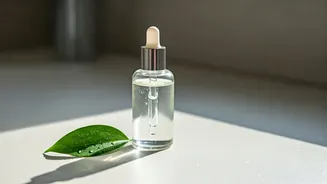









1. Swap to a Lighter Moisturiser
It feels counterintuitive, but you should not skip your moisturiser when the air feels wet. [12, 18] High humidity can actually dehydrate your skin, causing it to produce even more oil to compensate. [25] The trick is to switch from heavy creams to a lightweight,
non-comedogenic moisturiser. [5, 20] Gel-based or water-based formulas with ingredients like hyaluronic acid provide hydration without clogging pores or feeling greasy. [14, 23, 25] Always apply it on slightly damp skin to lock in moisture effectively.
2. Cleanse Thoroughly, But Gently
With the humidity causing more sweat, oil, and dirt to accumulate, cleansing becomes crucial. [2, 20] Many people make the mistake of over-washing, which can strip the skin’s natural protective barrier and lead to irritation. [12] Instead, stick to washing your face twice a day with a mild, pH-balanced cleanser. [5, 12] If you have oily or acne-prone skin, consider a cleanser with salicylic acid, which can penetrate deep into pores to dissolve excess oil and debris. [24, 25]
3. Don't Skip Sunscreen (Even on Cloudy Days)
This is a non-negotiable rule for every season. Just because the sky is overcast doesn't mean your skin is safe from the sun's harmful UV rays, as up to 80% can still penetrate through the clouds. [5, 15] Heavy sunscreens can feel sticky in the monsoon, so opt for a lightweight, gel-based, or water-based formula with an SPF of at least 30. [5, 7] For oily skin, a non-comedogenic or matte-finish sunscreen is an excellent choice to avoid a greasy look. [7, 22]
4. Embrace a Weekly Clay Mask
A weekly clay mask is a simple but powerful hack for managing monsoon skin. High humidity leads to excess sebum production, and clay masks are brilliant at absorbing this excess oil, detoxifying pores, and preventing breakouts. [7, 24] Masks with ingredients like kaolin or bentonite clay can help keep your skin clear and balanced. [24] Using one once or twice a week is enough to control shine without over-drying your skin.
5. Exfoliate, But Don't Overdo It
The build-up of dead skin cells can increase during the monsoon, leaving your complexion looking dull. [20] Gentle exfoliation once or twice a week is key to removing this layer and keeping pores clear. [10, 16] However, avoid harsh physical scrubs that can irritate the skin. [21] A chemical exfoliant with ingredients like AHAs (alpha-hydroxy acids) or BHAs (beta-hydroxy acids) is often a gentler and more effective choice for promoting fresh, smooth skin. [4, 17]
6. Keep Makeup Light and Minimal
Heavy makeup is likely to melt in the humidity, clog pores, and lead to breakouts. [5] The monsoon is the perfect time to adopt a 'less is more' approach. If you do wear makeup, opt for lightweight, water-based products like a CC cream instead of a heavy foundation to let your skin breathe. [7] And most importantly, always remove all traces of makeup thoroughly before bed to prevent clogged pores. [5, 12]
7. Pay Attention to Fungal Infections
The damp and humid environment is a perfect breeding ground for fungal infections. [3, 8] These often appear in skin folds, between the toes, and other areas where moisture gets trapped. [8, 9] To prevent them, always keep your skin clean and, most importantly, dry. [6, 9] Wear loose, breathable cotton fabrics and change out of wet clothes or socks immediately. [6, 11] Using an antifungal powder in areas prone to sweat can also be a simple and effective preventive measure. [5, 11]