




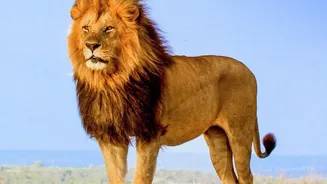
The Risk of a Single Sanctuary
The conservation of Asiatic lions is a celebrated success story in India, with the population growing from near extinction to over 800 by 2025. However, this entire population has been concentrated in and around Gir National Park. This geographic isolation
poses a significant risk. A single disease outbreak, like the canine distemper virus that has affected lion populations elsewhere, or a natural disaster could have devastating consequences for the species' long-term survival. For decades, experts have stressed the urgent need to establish at least one other free-ranging lion population to mitigate this threat.
The Return to Barda
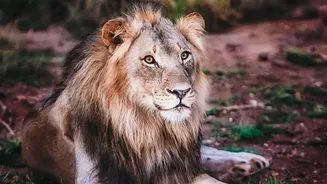
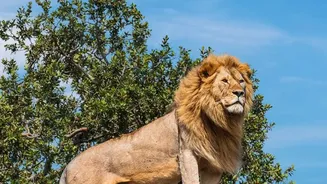
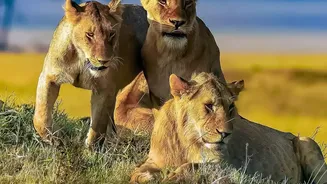
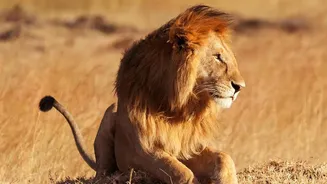
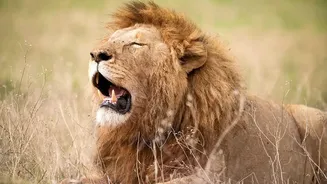
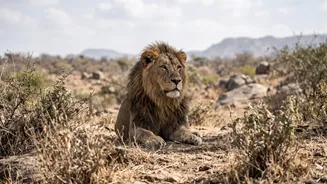
After an absence of nearly 144 years, lions are once again roaming the forests of the Barda Wildlife Sanctuary, about 100 kilometres from Gir. The return began with the natural dispersal of a lone male lion who walked into the sanctuary in January 2023. Following this pioneering move, the Gujarat Forest Department augmented the nascent population by introducing five females to the area. As of late 2025 and early 2026, the sanctuary was home to a growing pride of 17 lions, including six adults and eleven cubs, a sign that the animals are successfully adapting.
What the New Study Reveals
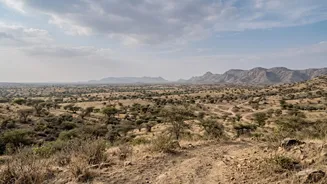
A comprehensive study, titled 'Beyond Gir: Barda Wildlife Sanctuary as a Potential Stronghold for Asiatic Lions' and published in the journal PLOS One, has provided the scientific backbone for this conservation effort. Researchers from the Gujarat Forest Department and Banda University of Agriculture and Technology radio-collared six lions to meticulously track their movements, habitat preferences, and diet between January 2023 and July 2025. The data, collected from over 169,000 GPS locations, confirmed that Barda's 192-square-kilometre expanse of mixed forests and grasslands provides a suitable habitat for a long-term, sustainable population.
A Habitat Fit for a King
The research found that the lions are establishing distinct home ranges, with an average size of around 70 square kilometres. Their diet in Barda consists primarily of wild prey, with wild pigs making up 55% of their food intake. This reliance on wild animals is a positive indicator of the sanctuary's health. To further support the predators, the forest department has been actively strengthening the prey base by translocating hundreds of spotted deer (chital) and sambar into the area. These efforts are crucial for ensuring the lions have enough natural food sources, which in turn helps minimise potential conflicts with humans over livestock.
The Road Ahead: Challenges and Hopes
Establishing Barda as a second home is a monumental step, officially designated under the central government's 'Project Lion'. However, challenges remain. The study noted that domestic cattle still account for 17% of the lions' diet, highlighting the need for ongoing management of human-wildlife interactions. The Gujarat Forest Department has deployed full-time trackers to monitor the lions and has strengthened its conflict response teams. Furthermore, habitat improvement projects, such as developing grasslands and removing invasive species, are underway to ensure the sanctuary can support a thriving population. This new stronghold represents more than just a second location; it is a critical buffer that provides insurance for the future of the Asiatic lion.