



The End of an Era
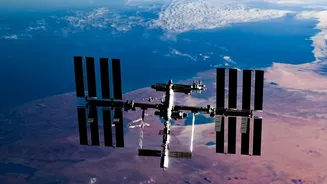
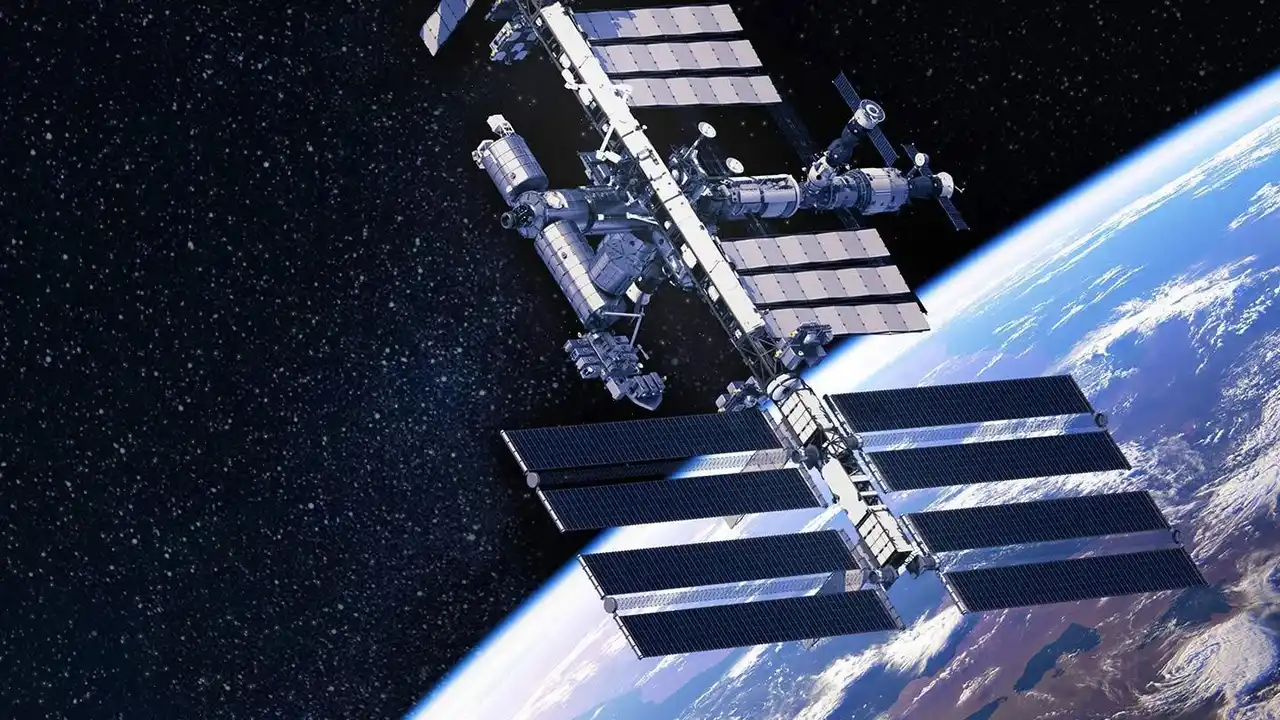
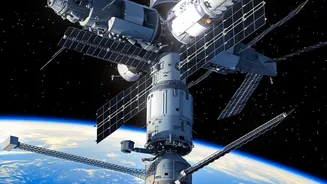
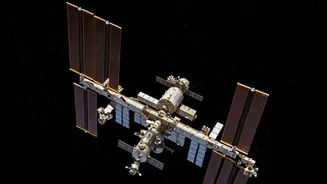
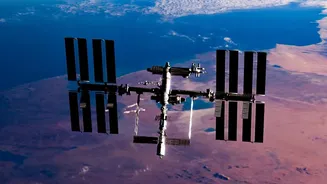
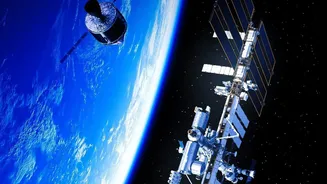
The International Space Station is a monumental achievement of engineering and global cooperation, continuously inhabited since 2000. However, the groundbreaking facility is aging. Its operational lifespan is limited by its primary structure, which is affected
by decades of dynamic loads from docking spacecraft and the harsh thermal cycling of orbit. Maintaining the station costs NASA roughly $3 billion per year, a significant portion of its human spaceflight budget. Faced with rising maintenance costs and aging technology, NASA and its international partners have scheduled the station for a controlled deorbit into an uninhabited stretch of the Pacific Ocean around 2030, bringing a remarkable era to a close.
NASA’s New Strategy: From Owner to Customer
Instead of building a new government-owned station, NASA is pivoting to a new model. Through its Commercial Low-Earth Orbit Destinations (CLD) program, the agency is fostering the development of private space stations. The strategy is to become just one of many customers, purchasing services like research time and astronaut accommodation from these commercial operators. This approach is designed to save taxpayer money, allowing NASA to focus its resources on deep space exploration missions like Artemis to the Moon and Mars, while ensuring the United States maintains a continuous human presence in low-Earth orbit (LEO). The goal is to have at least one commercial station operational before the ISS is retired to avoid any gap in LEO capabilities.
The Leading Contenders
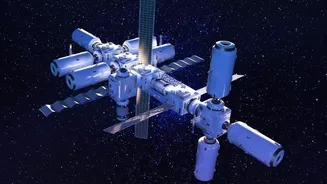
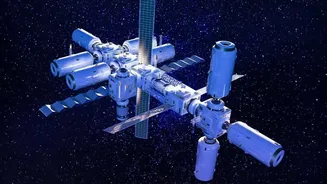
Several companies are racing to become the first private landlords in orbit. Axiom Space has a unique head start; its plan involves first attaching its own modules to the ISS, then detaching them to form a free-flying station called Axiom Station as early as 2028. Another major venture is Starlab, a transatlantic joint venture between Voyager Space and Airbus, which is developing a continuously inhabited station with a focus on science and research, targeting a 2029 launch. Blue Origin and Sierra Space are partnered on Orbital Reef, envisioned as a "mixed-use business park" in space for research, manufacturing, and tourism. Meanwhile, the startup Vast plans to launch its smaller Haven-1 station as soon as 2026, with ambitious long-term goals that include developing larger stations with artificial gravity.
Building a Business in Space
The success of these private stations hinges on creating a viable market beyond NASA. Their business models rely on attracting a diverse customer base. This includes other countries' space agencies looking to send their own astronauts to orbit without the massive cost of a national program, wealthy individuals seeking the ultimate tourist experience, and commercial companies. The real economic prize may lie in in-space manufacturing. The microgravity environment allows for the production of unique materials, from flawless fiber optics to purer protein crystals for drug development, that are impossible to make on Earth. These stations aim to be the orbital factories and laboratories that could unlock these new markets.
The Challenges Ahead
The path forward is fraught with immense challenges. The technical complexity of building and operating a crewed space station is enormous, and timelines are tight. Securing funding is another major hurdle; while NASA's CLD program provides seed money, these companies must raise significant private capital to complete their ambitious projects. Perhaps the biggest question is whether the market will materialize quickly enough. Building a customer base for research, tourism, and manufacturing before the ISS is deorbited is critical. Failing to have a successor ready would mean the U.S. loses its foothold in LEO for the first time in decades, potentially ceding the domain to other nations like China, which now operates its own Tiangong space station.