









Why Go Local?
While iconic landmarks have their undeniable charm, the true spirit of a place often resides in its everyday life. Shifting your focus from sightseeing to 'experiencing' unlocks a different kind of holiday. It's the difference between seeing a monument
and hearing its stories from the people who live in its shadow. Community-led and experiential tourism allows travellers to form a deeper connection with a destination. It not only creates richer memories but also ensures that your travel spending directly supports local artisans, small business owners, and families. This model of tourism is gaining ground across India, with states and local communities creating structured experiences that turn everyday activities into engaging opportunities for visitors. The goal is simple: to immerse you in the culture, not just show you its relics.
The Living Museum of the Local Bazaar
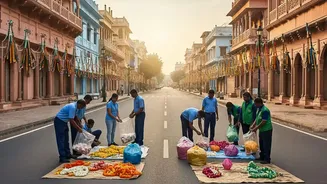
Indian markets are far more than just places to shop; they are vibrant, chaotic, and utterly captivating sensory experiences. The air buzzes with the energy of vendors, the scent of fresh spices, and the sight of handcrafted goods that tell stories of generations-old traditions. Instead of buying a generic souvenir from a large showroom, imagine purchasing a hand-painted Pattachitra scroll directly from an artist in Raghurajpur, Odisha, a village where nearly every home is a studio. Or consider visiting Nirona in Gujarat's Kutch region, where you can watch artisans practice the rare Rogan art, a complex technique of painting on fabric with a castor oil-based paint. These interactions go beyond a simple transaction; they offer a genuine glimpse into the region's cultural heart and the lives of its craftspeople.
Stay with the Storykeepers: Homestays and Community Stays
Choosing a community-run homestay over a conventional hotel can transform your trip. These stays offer an unparalleled opportunity to experience local life from the inside. In places like Sikkim and Nagaland, community-based tourism is a cornerstone of the local economy, allowing travellers to live with local families, share their food, and learn about their customs. For example, a visit to Khonoma in Nagaland, India's first 'green village', allows you to stay with the Angami tribe and learn about their deep-rooted conservation efforts that famously led to a ban on hunting. Similarly, in the villages of Kutch, you can stay in traditional circular mud houses called 'bhungas', decorated with local mirror work, offering an authentic taste of the region's architecture and lifestyle. These experiences ensure that tourism benefits the community directly while preserving their culture and environment.
Learn a Skill, Create a Memory
Experiential travel is about active participation. Instead of just observing, you can learn a new skill by taking part in a workshop. Recently, the community-led Araku Pinery in Andhra Pradesh introduced pottery workshops, allowing visitors to try their hand at the wheel under the guidance of local artisans. In Channapatna, Karnataka, known as the 'Toy Town', you can visit workshops to see how artisans craft their famous lacquered wooden toys and perhaps even try the technique yourself. Many states are now packaging these experiences, such as Kerala's 'Life Experience Trails', which include everything from coffee plantation walks in Wayanad to learning traditional weaving and pottery. These hands-on activities provide a much more engaging and memorable souvenir than anything you could simply buy.
Taste the Real Flavours of India
Food is one of the most accessible gateways to understanding a culture. While famous restaurants have their place, local food experiences offer a more authentic taste. Consider joining a guided street food tour to safely explore local delicacies or seeking out opportunities to dine with a local family. Many community tourism initiatives now include culinary experiences as a central feature. In Kerala, for example, experiential trails immerse you in the local cuisine, from tasting freshly prepared snacks to learning the secrets behind regional dishes. This approach allows you to understand the history and traditions behind the food you're eating, turning a simple meal into a cultural lesson.