



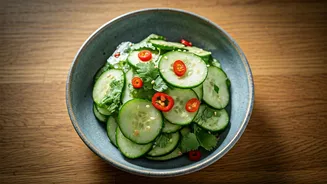


The Secret to the Perfect Crunch
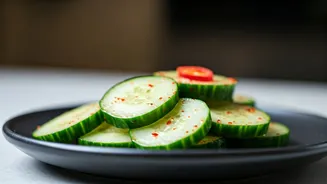
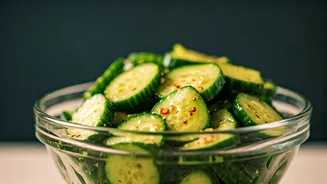
The magic of a great Korean cucumber salad lies in its signature crisp texture. The technique is simple but crucial: salting. Before they are dressed, sliced cucumbers are tossed with salt and left to sit for about 15 to 20 minutes. This process draws
out excess water from the cucumber. Why does this matter? By removing the water, you're left with a cucumber that is concentrated in flavor and, most importantly, incredibly crunchy. It prevents the final dish from becoming a watery, diluted mess and ensures that every bite has a satisfying snap. Skipping this step is the difference between a good salad and a truly great one.
A Symphony of Flavors
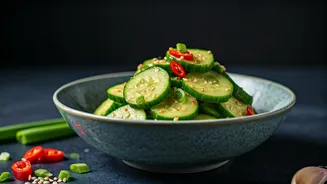
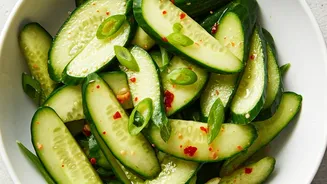
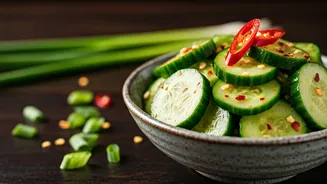
While the crunch is key, the flavor is what makes these salads so addictive. The dressing is a masterclass in balance. Gochugaru, or Korean red chili flakes, provides a vibrant color and a smoky, fruity heat that’s less sharp than other chili flakes. Toasted sesame oil adds a deep, nutty aroma and richness, while rice vinegar brings a clean, bright acidity. Minced garlic and thinly sliced scallions provide a pungent, allium bite, and a touch of sugar or honey rounds everything out, balancing the salty and spicy notes. Together, these ingredients create a dressing that is simultaneously spicy, tangy, savory, and slightly sweet.
Meet Oi Muchim: The Everyday Classic
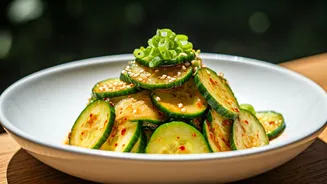
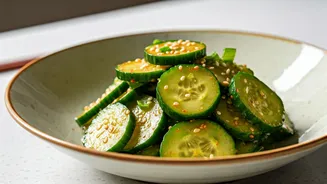
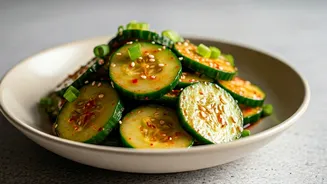
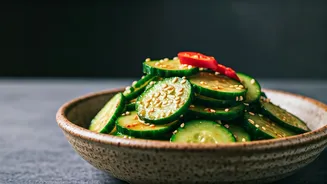
When most people think of Korean cucumber salad, they're likely picturing Oi Muchim (오이무침). This is the quintessential quick-tossed version, a staple that can be prepared in minutes. The name literally translates to “seasoned cucumber.” Typically, thinly sliced cucumbers are salted, drained, and then mixed with the classic dressing of gochugaru, sesame oil, garlic, and vinegar. Because it’s not fermented, Oi Muchim is meant to be eaten fresh, often on the same day it’s made. Its bright, zippy flavor makes it a perfect last-minute addition to any meal, reviving the palate and complementing a wide range of dishes.
Discover Oi Sobagi: The Stuffed Delight
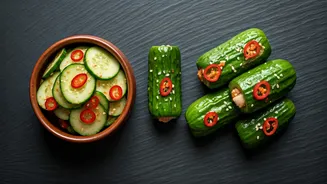
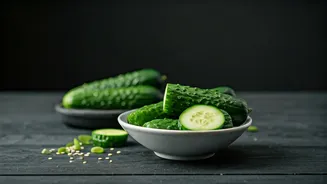
For a more elaborate take, there’s Oi Sobagi (오이소박이), or stuffed cucumber kimchi. Instead of slicing the cucumbers into rounds, they are cut into chunks, and then slits are made lengthwise to create pockets. These pockets are then filled with a flavorful paste, which often includes garlic chives, carrots, and sometimes even fermented shrimp alongside the standard kimchi seasonings. Oi Sobagi can be enjoyed fresh for a crisp bite, or it can be left to ferment for a day or two at room temperature to develop a deeper, tangier flavor, much like traditional cabbage kimchi. It’s a summer favorite in Korea, prized for its refreshing crunch and robust taste.
More Than Just a Side Dish
In Korean cuisine, cucumber salads fall into the category of banchan—small side dishes served with cooked rice that are central to the dining experience. Banchan are not mere afterthoughts; they are an integral part of the meal, meant to be shared and to provide balance in flavor, texture, and color. A spicy, crunchy cucumber salad provides a refreshing contrast to rich grilled meats like bulgogi or galbi, cuts through the savory depth of a hearty stew, and adds a burst of excitement to a simple bowl of rice. These complimentary dishes embody the Korean culinary philosophy of harmony and community at the table.