


The Golden Rule: Shelf Life
The most crucial factor in a giftable sweet is its staying power. During Diwali, households are inundated with treats, and it's impossible to eat everything at once. Sweets with a longer shelf life are therefore a more considerate gift. This is where
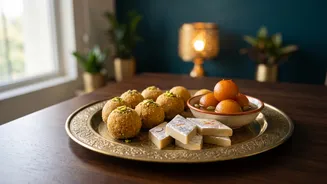
dry sweets excel. Mithai made primarily from flour, ghee, and sugar, such as Besan Ladoo, or nut-based ones like Kaju Katli and Badam Barfi, can last for a week or more when stored in an airtight container. In contrast, milk-based or syrupy sweets like Gulab Jamun, Rasgulla, or Kalakand have a much shorter lifespan, often needing refrigeration and consumption within a day or two. While delicious, they create an urgency for the recipient that a good gift should avoid. A gift of dry fruit ladoo or a decorative box of cashews and almonds also works well, as they can be enjoyed for weeks.
Built for the Journey: Portability and Durability
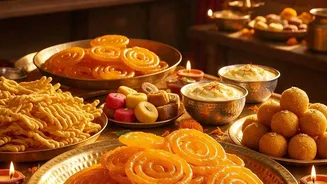
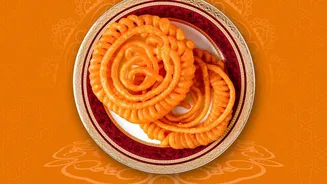
A Diwali gift often travels—from the shop to your home, and then to the recipient's house, which might even be in another city. This makes portability a key consideration. The best gifting sweets are sturdy and hold their shape. Perfectly cut barfis, dense pedas, and robust ladoos are ideal as they can withstand a bit of jostling. They arrive looking as good as they taste. On the other end of the spectrum is the notoriously delicate Soan Papdi. While a beloved and popular gift, its flaky, fragile texture means it often disintegrates into a sugary powder, making it messy to serve and eat. Similarly, syrup-heavy sweets like Rasgulla or Jalebi are prone to leaking and are best enjoyed fresh rather than transported as a gift. The structural integrity of a sweet ensures your thoughtful gesture doesn't become a sticky inconvenience.
Presentation is Paramount
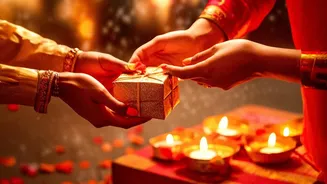
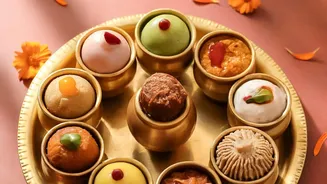
Gifting during Diwali is a gesture of sharing love and prosperity, and the visual appeal of the gift is part of that message. The sweets themselves should be visually appealing—uniform in shape, rich in colour, and neatly arranged. A well-presented box of Kaju Katli, with its iconic diamond shape and silver leaf, feels more premium and special. The same goes for Pista Rolls with their vibrant green hue or Motichoor Ladoos that are perfectly round. Many sweet makers and brands now focus heavily on modern, elegant packaging that elevates the entire gifting experience. A beautiful box is not just a container; it's part of the gift itself and signals the quality of the contents within. It shows a level of care that goes beyond just the flavour.
Considering the Modern Palate
While tradition is central to Diwali, modern tastes and health consciousness are increasingly shaping gifting choices. Many people now appreciate healthier alternatives to traditional, sugar-laden mithai. Gifts of dry fruits, dates, and nuts have become extremely popular because they are seen as both indulgent and nourishing. Furthermore, the market has responded with sweets made with natural sweeteners like jaggery, or options that are baked instead of fried. Fusion sweets, which blend Indian flavours with Western dessert styles—like mithai-inspired cupcakes or gajar ka halwa truffles—are also a growing trend, offering something new and exciting. A thoughtful gift takes the recipient's lifestyle and preferences into account, and choosing a healthier or more contemporary option can show an extra layer of consideration.
The Comfort of Tradition
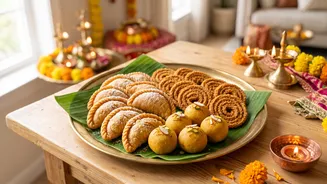
When in doubt, tradition is a safe and welcome harbour. Classic sweets like Motichoor Ladoo, Kaju Katli, and Besan Ladoo are Diwali staples for a reason. They are universally loved and carry a deep cultural significance, evoking a sense of nostalgia and festive comfort. Exchanging these sweets is a ritual that connects generations and reinforces the spirit of the festival. While novelty is exciting, the familiar taste of a traditional mithai is often what people crave most during the festive season. A box of high-quality, classic Indian sweets is rarely the wrong choice and is almost always genuinely appreciated by hosts, as they can be served to the steady stream of guests who visit during Diwali.