
A Rich History Woven in Thread
The Nupe people, with a history stretching back centuries in central Nigeria, possess a rich artistic heritage. Their kingdom was a center of extraordinary craftsmanship, from metalwork to pottery, but it is their embroidery that perhaps best captures
their cultural soul. Historically, this intricate needlework was not for everyday use; it adorned the majestic ceremonial robes (known as 'agbada') of kings, chiefs, and nobles. These garments were symbols of power, prestige, and social standing, with the complexity and density of the embroidery communicating the wearer's importance within the community. The craft was, and still is, a living document of a sophisticated social and political structure, passed down through generations of skilled artisans who learned the meticulous techniques from their elders.
The Art of Tactile Dimension
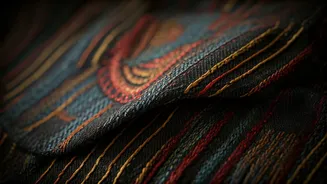
What makes Nupe embroidery so captivating is its remarkable three-dimensional quality. This is not flat, passive decoration. The technique involves densely packed stitches, creating raised, sculptural patterns that invite touch. Artisans use a variety of threads, historically local silk and cotton, on base fabrics like handwoven cotton or plush velvet. The primary stitches create bold, looping lines that form the outlines of the designs. These are then often filled with other stitches or couched with metallic or brightly colored threads to add depth and a contrasting texture. The result is a dynamic interplay of light and shadow across the surface of the fabric, giving the patterns a weight and presence that truly makes them pop, lending the fabric a feeling of being animated and alive.
Symbols That Speak Volumes
Every swirl, line, and shape in Nupe embroidery is steeped in meaning. The motifs are a visual language, drawing from a deep well of cultural and spiritual symbolism. Geometric shapes, spirals, and interlocking patterns are common, often representing abstract concepts of balance, unity, and eternity. Stylized representations of animals, such as crocodiles or snakes, might signify power, wisdom, or a connection to the spirit world. A prominent motif in the broader northern Nigerian region, which includes Nupe land, is the 'Northern Knot'—a complex, interwoven star-like shape that symbolizes unity and is a key emblem of identity. These are not random decorations but carefully chosen symbols that infuse each garment with layers of meaning, telling stories of lineage, belief, and community values.
From Royal Courts to Modern Fashion
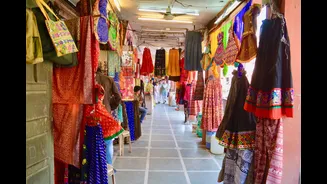
While Nupe embroidery maintains its vital role in traditional ceremonies and royal attire, its influence is expanding far beyond its ancestral home. Today, this unique art form is being discovered and celebrated on the global fashion stage. Contemporary Nigerian and international designers are collaborating with Nupe artisans, blending the ancient craft with modern silhouettes. This cross-cultural exchange introduces the stunning artistry to a wider audience and provides new economic opportunities for the communities that have preserved these skills. The vibrant colors and bold, graphic patterns lend themselves beautifully to modern aesthetics, appearing on everything from haute couture gowns to stylish everyday wear. This evolution ensures that the tradition does not remain a static relic but continues to grow and adapt.
The Hands Behind the Craft
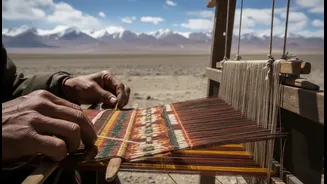
At its core, Nupe embroidery is a profoundly human art form. It cannot be replicated by a machine; each piece is a testament to the immense skill, patience, and artistic vision of the individual who created it. The process is slow and painstaking, requiring a steady hand and a deep understanding of the craft's traditions. This human touch is what imbues the fabric with its 'living' quality. The slight variations in an artisan's stitches, the deliberate choice of colors, and the flow of the patterns are all expressions of a creative spirit. Supporting Nupe embroidery is not just about appreciating a beautiful product; it is about honoring the living heritage and the skilled hands that continue to keep this magnificent tradition thriving.