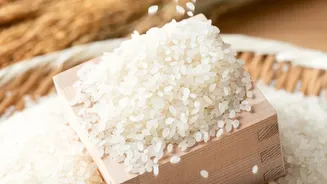




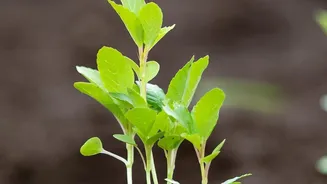


In kitchens across India, it's a daily ritual: rinsing rice and letting the cloudy water run down the drain. But what if that simple byproduct held the secret to healthier, happier plants? This humble liquid is packed with surprising benefits.
A Mild and Natural Nutrient Source
Rice water
is a gentle, natural fertiliser that provides your plants with a mild dose of key nutrients. The cloudy liquid contains small but significant amounts of nitrogen (N), phosphorus (P), and potassium (K)—the three primary macronutrients essential for plant vitality. Nitrogen supports leafy growth, phosphorus is crucial for strong root development, and potassium aids in overall plant function and resilience. Beyond NPK, rice water also delivers trace minerals like magnesium and zinc, along with B vitamins, which contribute to root health and stronger stems. While it's not a replacement for a balanced fertiliser, it serves as an excellent supplemental feeding that reduces the risk of the chemical burns sometimes associated with stronger commercial products.
Feeds Beneficial Soil Microbes
Healthy soil is a living ecosystem teeming with microscopic organisms, and rice water helps keep this community thriving. The primary component of rice water is starch, which acts as a food source for beneficial bacteria and fungi like mycorrhizae and lactobacilli in the soil. These microbes are essential workers; they break down organic matter into forms that plant roots can easily absorb. By feeding this invisible workforce, you enhance the soil's structure and its ability to cycle nutrients effectively. A healthier soil microbiome means more efficient nutrient uptake for your plants, leading to more robust growth over time.
Boosts Growth with Fermentation
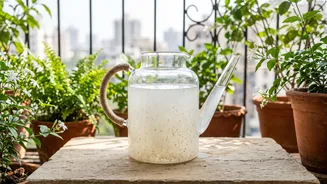
You can elevate the benefits of rice water through simple fermentation. By letting the starchy water sit in a loosely covered jar for a few days, you create a powerful probiotic brew for your plants. The fermentation process significantly increases the concentration of available nutrients and beneficial bacteria. Studies have shown that fermented rice water can increase nutrient levels by a substantial margin and contains bacteria that help fix nitrogen and unlock phosphorus in the soil. This fermented liquid becomes slightly acidic, making it particularly beneficial for acid-loving plants like tomatoes, leafy greens, and azaleas. Research has even found that fermented rice water, when used correctly, can boost plant growth by 12-26%.
A Frugal and Eco-Friendly Choice
In a country where rice is a staple, reusing the rinse water is a smart, zero-cost practice. Every time you cook, you produce a free batch of natural plant supplement that would otherwise go to waste. This simple act of recycling a kitchen byproduct reduces your household's water footprint and lessens your reliance on store-bought chemical fertilisers. It’s an easy step towards a more sustainable gardening practice that aligns with a tradition of using household resources wisely. By turning kitchen 'waste' into garden gold, you're not only saving money but also contributing to a more circular and eco-conscious home.
A Gentle Aid in Pest Management
While not a cure-all pesticide, fermented rice water can contribute to a healthier plant ecosystem that is more resilient to pests. Some research suggests that encouraging certain beneficial soil fungi with rice water can indirectly help control common garden pests like aphids and thrips. Furthermore, some gardeners report that the starchy residue can act as a mild deterrent for certain insects. It's important to use it correctly, as excessive starch buildup can sometimes attract unwanted guests like fungus gnats. However, when used in moderation as part of a holistic plant care routine, it helps create stronger plants that are naturally better equipped to defend themselves against pests.