
The Two Types of Dietary Iron
To understand this nutritional hack, it’s important to know that iron in our food comes in two forms: heme and non-heme. Heme iron, found in animal products like meat, poultry, and seafood, is easily absorbed by our bodies. Non-heme iron, however, is the
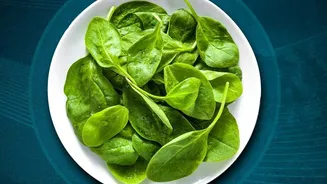
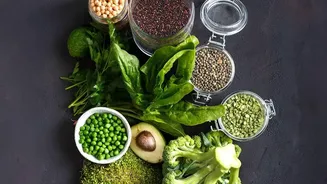
type found in plant-based foods such as leafy greens, lentils, beans, and fortified grains. While abundant, non-heme iron is significantly harder for our bodies to absorb. This is because many plant foods also contain compounds like phytates and polyphenols, which can inhibit iron absorption. For individuals following vegetarian or vegan diets, this makes maximizing iron uptake from every meal a top priority.
Vitamin C: The Key That Unlocks Iron
This is where Vitamin C, also known as ascorbic acid, comes to the rescue. It acts as a powerful enhancer for non-heme iron absorption. The science is straightforward: non-heme iron is typically in a form called ferric iron (Fe3+), which our gut struggles to take in. Vitamin C works its magic by converting this ferric iron into ferrous iron (Fe2+), a form that is much more bioavailable and readily absorbed by the intestines. Furthermore, Vitamin C can form a soluble complex with iron, which helps protect it from the effects of inhibitors like phytates, which are common in grains and legumes.
Does It Really Double Absorption?
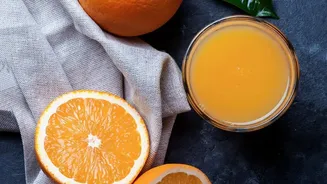
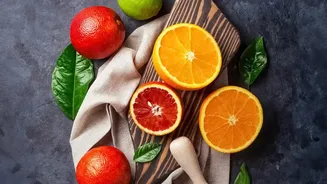
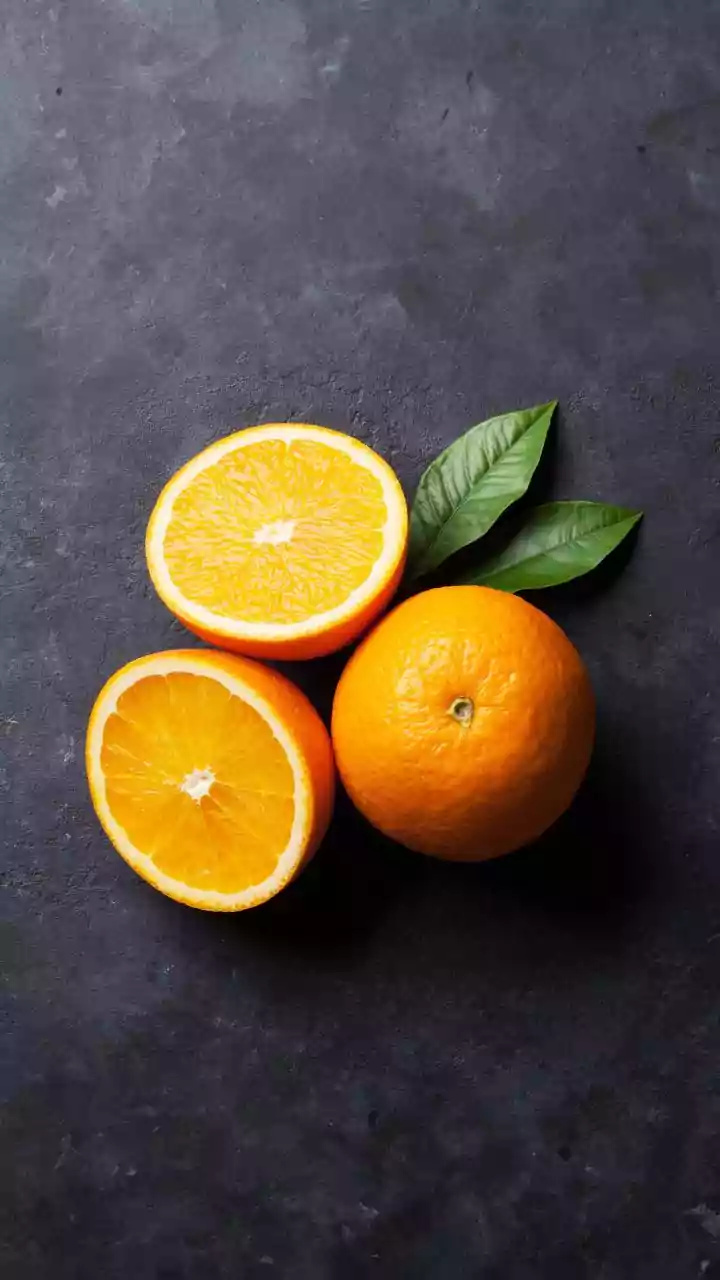
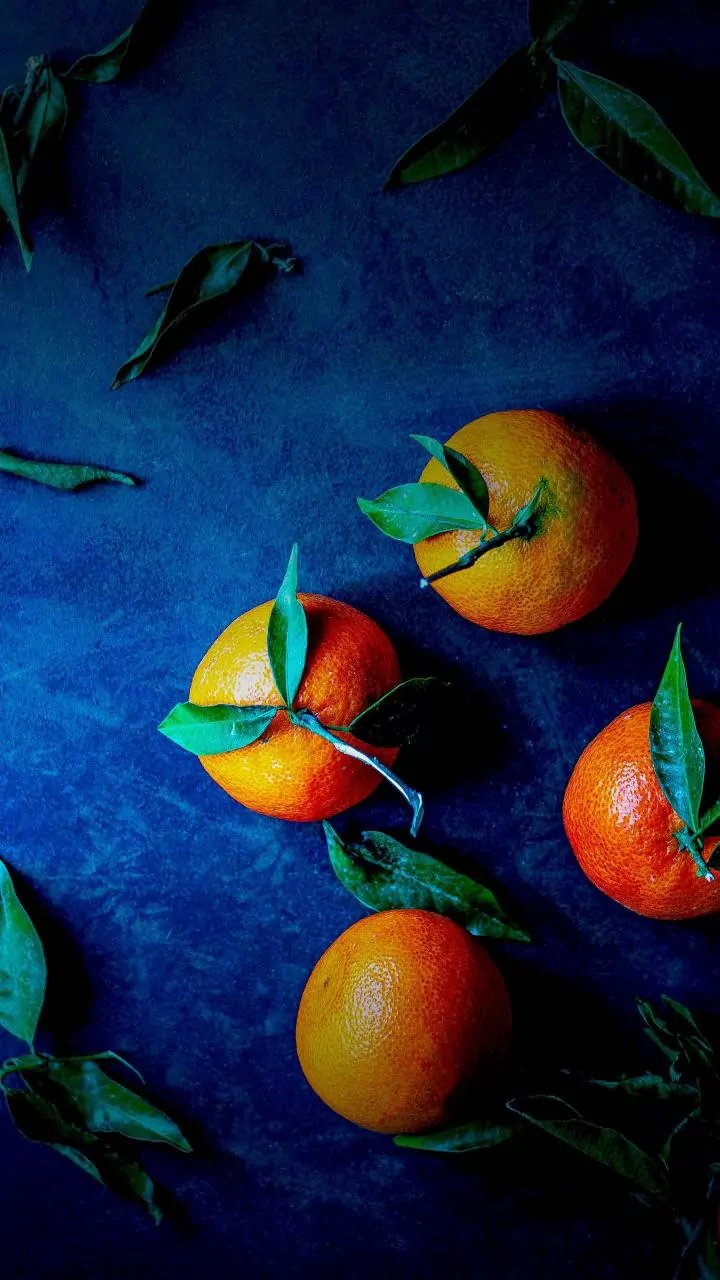
The headline's claim is strong, and scientific studies support it, showing that the boost is significant. Research indicates that adding Vitamin C to a meal can increase non-heme iron absorption by two to three times. Some studies have found that as little as 50-100 mg of Vitamin C—the amount in a small orange or a cup of strawberries—can make a substantial difference. One analysis noted that while 'doubling' is a strong word, adding just 50 mg of Vitamin C increased iron absorption by about 68%. The effect can be even more pronounced in meals that are high in iron inhibitors, making this pairing particularly effective for plant-based diets. Essentially, the more you need the help, the harder Vitamin C works.
Perfect Pairings for Your Plate
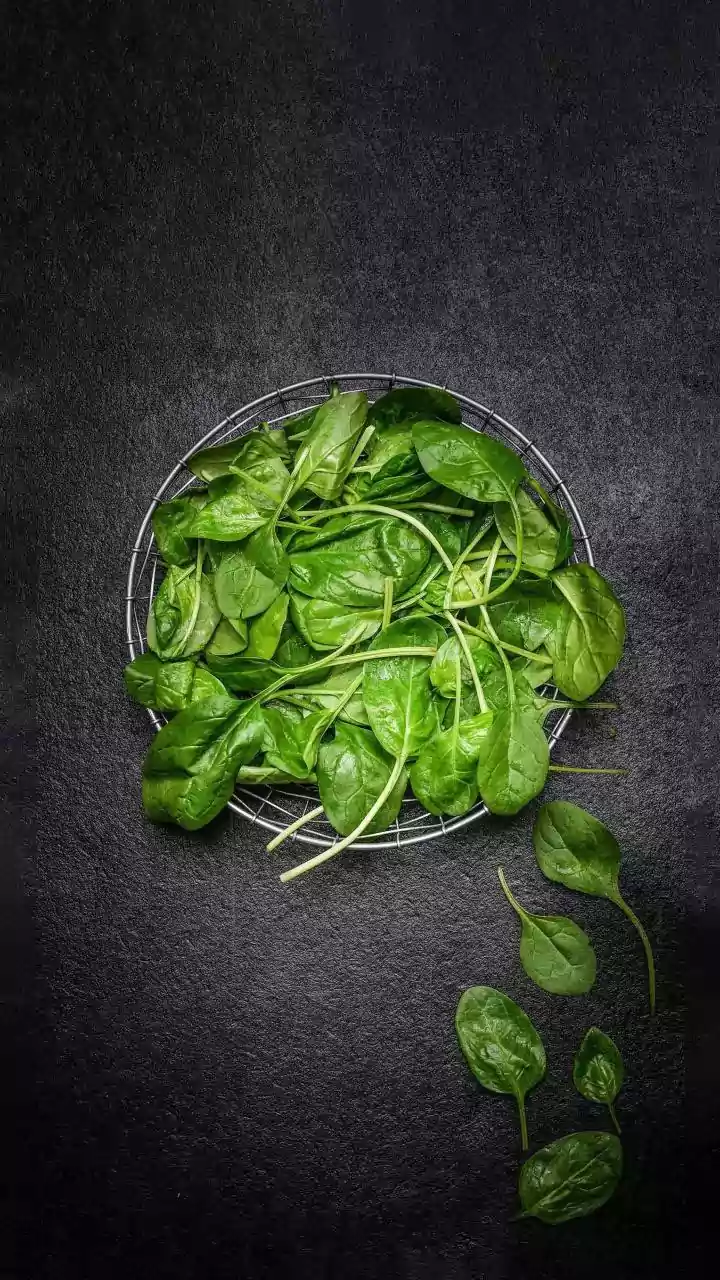
Applying this knowledge is both easy and delicious. The classic example is squeezing fresh lemon juice over a spinach salad. But the possibilities are far more extensive. Think about incorporating these combinations into your daily meals:
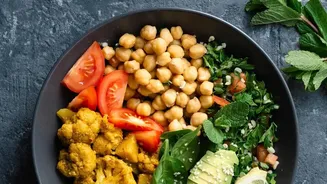
For your dals and legumes: Add a generous squeeze of lime or a side of amla (Indian gooseberry) pickle to your lentil or chickpea curry. The tomatoes often used as a base for these dishes also contribute a healthy dose of Vitamin C.
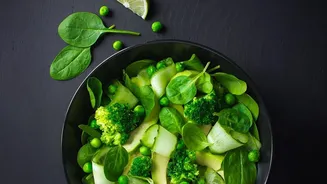
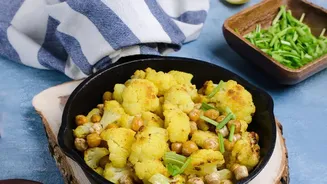
With leafy greens: Pair iron-rich greens like spinach, kale, or methi (fenugreek leaves) with bell peppers (especially red and yellow ones, which are packed with Vitamin C) in a stir-fry or sabzi.
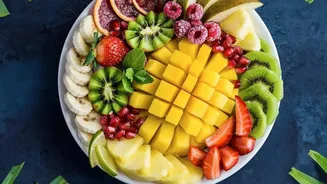
Boost your breakfast: Top your iron-fortified oatmeal or cereal with strawberries, kiwi, or papaya.
Smarter snacking: Enjoy a handful of iron-rich nuts and seeds like pumpkin seeds or almonds alongside an orange or a guava.
Beyond Citrus: Other Vitamin C All-Stars
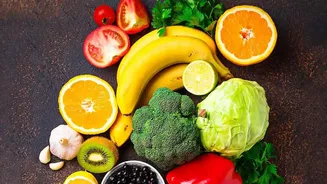
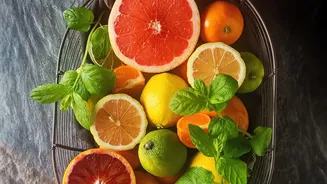
While citrus fruits are famous for their Vitamin C content, many other foods are excellent sources. To diversify your iron-boosting efforts, consider adding these to your meals: bell peppers, broccoli, Brussels sprouts, tomatoes, kiwi, strawberries, guava, papaya, and even potatoes. A key tip is to consume these foods raw or lightly cooked when possible, as heat can degrade Vitamin C. A fresh tomato and onion salad (kachumber) with your meal, or raw bell pepper strips with hummus, are simple ways to ensure you get that Vitamin C boost.