





What’s Really in the Air We Breathe?
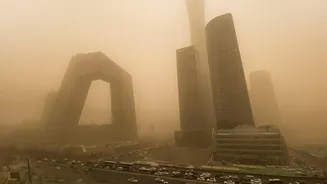
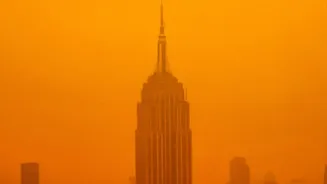
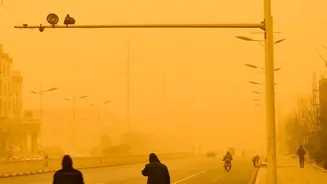
Winter air in major cities is a toxic cocktail far more complex than just dust. A phenomenon called 'temperature inversion' traps pollutants close to the ground, creating a thick haze. This mixture is dominated by fine particulate matter (PM2.5), which
are microscopic particles smaller than 2.5 micrometres. Alongside PM2.5, the air is thick with nitrogen dioxide (NO2) from vehicle exhaust, sulphur dioxide (SO2) from industrial processes, and a host of volatile organic compounds (VOCs) released from paints, cleaning supplies, and other sources. It's this combination of invisible toxins that poses a direct threat to our body's energy production systems.
The Journey from Lungs to Bloodstream
Our bodies are designed to filter out larger particles like dust and pollen. However, PM2.5 particles are so minuscule they can bypass these natural defences, travelling deep into the lungs. From there, the smallest particles can even pass directly into the bloodstream, gaining access to every organ in the body, including the brain. Once in circulation, the body’s immune system identifies these particles as foreign invaders, triggering a constant, low-grade inflammatory response throughout the body. This state of alert is metabolically expensive; your body is forced to divert energy to this quiet, internal battle, leaving you feeling drained and lethargic.
A Cellular Energy Crisis
The primary reason for pollution-induced fatigue lies at the cellular level, specifically with our mitochondria. These are the tiny 'powerhouses' inside our cells responsible for generating ATP, the molecule that provides energy for all bodily functions. Exposure to pollutants like PM2.5 causes a state of 'oxidative stress'. This is an imbalance where harmful free radicals overwhelm the body's antioxidant defences, damaging cells. Mitochondria are particularly vulnerable to this assault. The damage impairs their ability to produce ATP efficiently, essentially creating an energy shortage at the most fundamental level. This inefficiency manifests as profound physical and mental exhaustion, brain fog, and that feeling of being perpetually tired.
Disrupted Sleep and Other Factors
The assault on your energy doesn't stop at the cellular level. Poor air quality is also notorious for disrupting sleep. Airway irritation from pollutants can cause a dry throat, a blocked nose, or a mild nighttime cough that fragments sleep without you even realising it. You might wake up feeling unrefreshed, attributing it to a bad night's sleep rather than the air you were breathing. Furthermore, this constant immune activation and inflammation also disrupt hormones, including stress hormones like cortisol, which can further throw your energy levels and mood out of balance.
How to Protect Yourself and Reclaim Your Energy
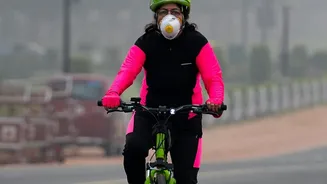
While you can't change the city's air, you can take steps to mitigate its effects. Start by monitoring the daily Air Quality Index (AQI) using an app or website. On 'Poor' or 'Severe' days, limit strenuous outdoor activity. When you must go out, wear a well-fitted N95 or KN99 mask, as cloth masks are ineffective against PM2.5. At home, invest in a HEPA-filter air purifier to create a clean-air sanctuary, especially in the bedroom. You can also support your body's defences through diet. Foods rich in antioxidants like vitamins C and E (citrus fruits, amla, nuts, seeds) and omega-3 fatty acids (walnuts, flaxseeds) can help combat oxidative stress. Staying hydrated is also crucial for flushing out toxins.