


The Essential Precaution
Before we dive into individual fruits, it's important to remember a crucial monsoon rule: hygiene. The increased humidity during the rainy season can lead to faster spoilage and a higher risk of contamination. Always wash fruits thoroughly under running
water before you cut or peel them. For extra safety, you can soak them in a bowl of water with a bit of salt or vinegar for a few minutes. Always opt for fresh-looking produce and avoid anything with cuts, bruises, or mould.
The Regal Jamun (Indian Blackberry)
Jamun is the quintessential monsoon fruit, celebrated for its unique sweet and tart flavour profile. It's also packed with nutrients like iron and Vitamin C, making it an excellent choice for boosting immunity during this season. When selecting jamun, colour is your best guide. Look for fruits that are a deep, dark purple or almost black, as this indicates they are fully ripe and sweet. Avoid ones that are reddish or light purple, as they will likely be sour. The skin should be smooth, glossy, and taut, not dull or wrinkled. Give the fruit a gentle press; it should be firm but yield slightly. If it's too hard, it's unripe, and if it's mushy, it's overripe.
The Juicy Litchi
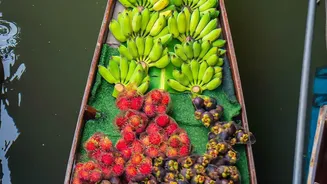
A seasonal favourite, the litchi's sweet, floral flavour is a true monsoon delight. To pick the best ones, start by looking at the colour. A ripe litchi will have a vibrant pinkish-red or rosy-red skin. Steer clear of those that are green (unripe) or have large dark brown patches (spoiled). A good litchi should feel firm to the touch but not rock hard; it should give a little when you press it gently. Another great tip is to check the weight; a heavier litchi for its size usually means it's juicier. Finally, trust your nose. A ripe litchi has a light, floral fragrance. If it smells sour or fermented, it's past its prime.
Peaches and Plums (Aadu and Aloo Bukhara)
These stone fruits are at their peak during the monsoon and offer a wonderful mix of sweet and tart flavours. For peaches, a strong, sweet, and floral aroma near the stem is a great sign of ripeness. The skin should have a deep golden-yellow hue, and the fruit should feel plump and round. With plums, look for a deep, even colour without any green patches. A ripe plum will have a slight give when you press it near the stem. Fresh plums often have a powdery white coating, which is a natural bloom and a sign of freshness. Avoid fruits that are overly soft, bruised, or wrinkled for both peaches and plums.
The Humble Pear (Nashpati)
Often overlooked, the pear is a fantastic monsoon fruit, especially for those with sensitive digestion, as it's high in fibre and gentle on the stomach. Unlike many other fruits, pears primarily ripen off the tree. When buying, check the neck of the pear. Gently press the area near the stem with your thumb; if it yields to gentle pressure, it's ripe and ready to eat. If it's still hard, you can buy it and let it ripen at home for a few days. Avoid pears with soft spots, bruises, or broken skin. The skin should be smooth, though some varieties may have natural russeting, which is perfectly normal.