

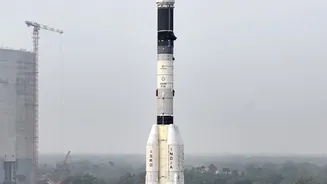
From Workhorse to Trailblazer
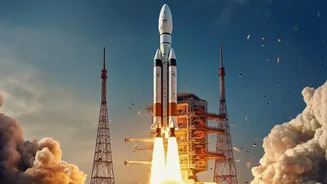
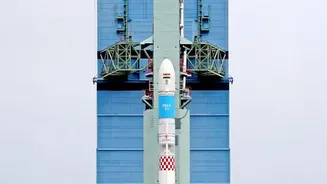
For much of its history, ISRO's primary focus was on socio-economic development and self-reliance in space. Its 'traditional' missions revolved around the highly reliable Polar Satellite Launch Vehicle (PSLV) and the more powerful Geosynchronous Satellite Launch Vehicle (GSLV).
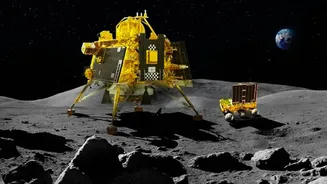
These rockets have been instrumental in deploying a vast constellation of communication, navigation, and Earth observation satellites, making India a formidable player in the global launch market and serving critical national needs in everything from weather forecasting to disaster management. This era defined ISRO's reputation for frugal innovation and dependable execution. However, the successes of landmark scientific missions like Chandrayaan-1, which confirmed water on the Moon, and the Mars Orbiter Mission (Mangalyaan), which reached Martian orbit on its first attempt, signaled a change in ambition.
The Human Frontier: Gaganyaan and Beyond
The most significant leap beyond traditional missions is the Gaganyaan programme, India's first human spaceflight mission. The goal is to send a crew of three astronauts into a 400 km orbit for a three-day mission and bring them back safely. This monumental undertaking will make India the fourth nation in the world to possess independent human spaceflight capability, after the US, Russia, and China. The programme involves developing a host of new technologies, from a human-rated launch vehicle (HLVM3) to advanced life support systems and crew escape mechanisms. Extensive tests are underway to ensure the utmost safety and reliability, with uncrewed test flights planned before the first crewed mission. The astronauts have been selected and are undergoing rigorous training for this historic flight.
A Home in the Cosmos: The Bharatiya Antariksha Station
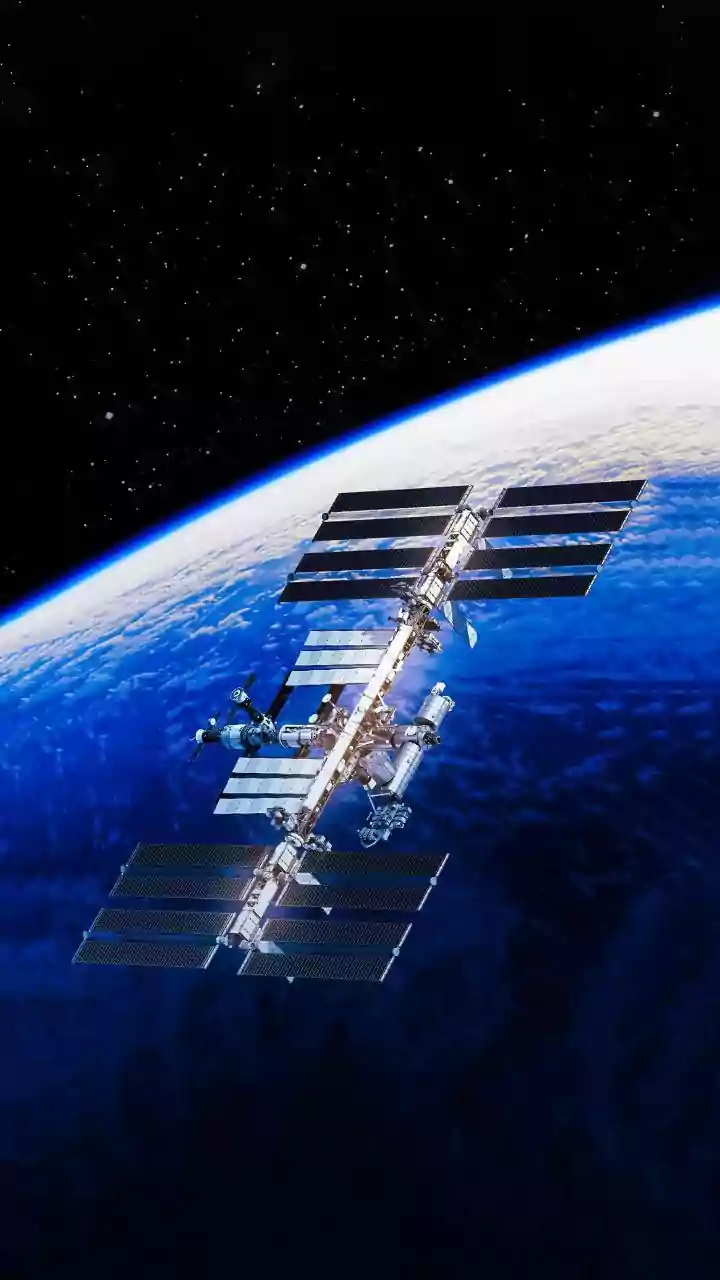
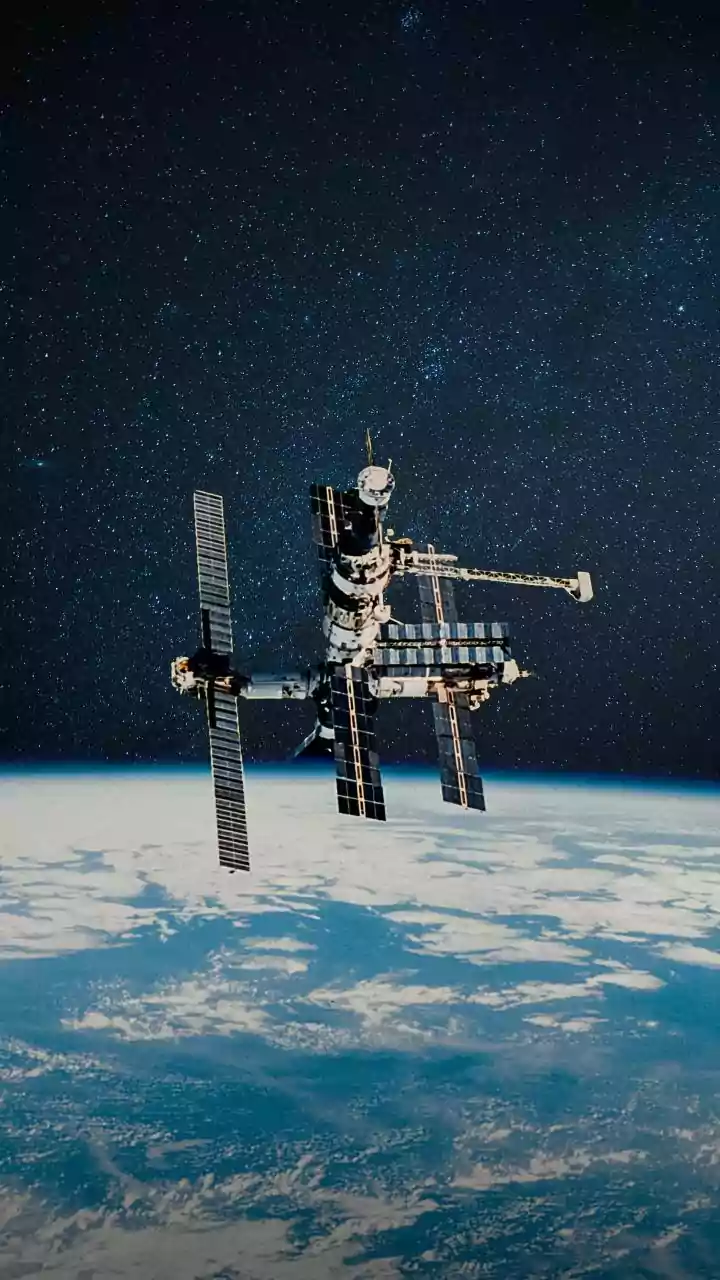
Gaganyaan is not an end in itself, but a stepping stone. It lays the groundwork for a long-term human presence in space, culminating in the Bharatiya Antariksha Station (BAS), India's very own space station. The station is planned as a modular structure, to be assembled in orbit, weighing around 52 tonnes upon completion. The first module is targeted for launch in 2028, with the station expected to be fully operational by 2035. Orbiting at an altitude of about 400-450 km, it will serve as a laboratory for scientific research in microgravity, helping advance fields like medicine, materials science, and biotechnology. The BAS will be a crucial testbed for technologies needed for even more ambitious goals, including the plan to send an Indian astronaut to the Moon by 2040.
Journey to New Worlds
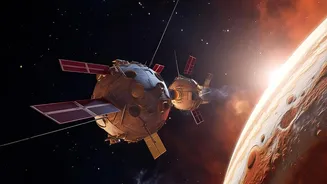
Building on the success of Mangalyaan, ISRO is expanding its interplanetary research. A follow-up Mars mission, Mangalyaan-2 (MOM-2), is in the works, which may include more advanced instruments and potentially even a lander and rover to conduct on-ground studies. Looking towards our other neighbour, the Shukrayaan-1 mission to Venus is also a high priority. This orbiter aims to study the dense, corrosive atmosphere and surface of Venus, a planet that may have once been similar to Earth. These missions are about more than just exploration; they seek to answer fundamental questions about planetary formation, atmospheric science, and the potential for life beyond Earth.
A Collaborative Cosmos
ISRO's expanding vision is not a solitary pursuit. The agency is strengthening its international collaborations, working with partners like NASA on the NISAR satellite for Earth observation and with France's CNES on the TRISHNA mission. At the same time, a revolutionary change is happening domestically. The Indian government has opened up the space sector, encouraging private companies to participate in everything from satellite manufacturing to launch services through the Indian National Space Promotion and Authorization Center (IN-SPACe). The recent successful launch of Vikram-1 by private firm Skyroot Aerospace marks a major milestone in this new public-private partnership model, ushering in a new era of innovation and expanding India’s capacity in the burgeoning global space economy.