






Understanding Your Inner Clock
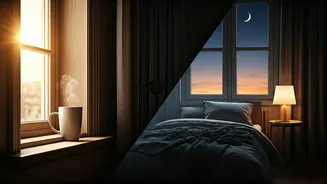
Deep inside you, a master clock is ticking. This is your circadian rhythm, a roughly 24-hour cycle that governs everything from hormone release to body temperature and, most noticeably, your sleep-wake patterns. Your personal expression of this rhythm is called
a chronotype. It’s what makes you naturally feel alert and energetic at certain times of the day and tired at others. Largely determined by your genetics, your chronotype explains why you might leap out of bed at dawn while your partner hits their stride long after sunset. While most people fall somewhere in the middle, the two most well-known chronotypes are morning people (larks) and evening people (owls).
Are You a Lark or an Owl?
Identifying your chronotype is the first step to working with your body, not against it. You probably already have a good idea of your tendencies, but a simple test is to observe your patterns when you're free from alarms and strict schedules, like on a vacation. When do you naturally wake up and feel ready to sleep? Larks typically wake up early, feel most productive before lunch, and tire in the evening. Owls, on the other hand, struggle with early mornings but find their peak focus and creativity in the afternoon or late evening. Don't fit neatly into either box? You might be a 'third bird' or 'bear,' representing the majority of people whose energy levels align with the sun, peaking in the late morning and dipping mid-afternoon.
When to Tackle Your Toughest Tasks
Knowing your chronotype is like having a secret weapon for productivity. By scheduling your most demanding tasks during your natural peak energy windows, you can achieve better results with less effort. For morning larks, this peak often occurs in the early morning, making it the ideal time for deep, analytical work. Night owls will find their cognitive abilities sharpen in the afternoon and evening, which is when they should schedule their most important projects. Trying to force your brain to perform complex tasks when it’s in a trough, or low-energy period, is often inefficient and frustrating. Aligning your work with your body's rhythm can lead to higher engagement and satisfaction.
The Best Time to Exercise
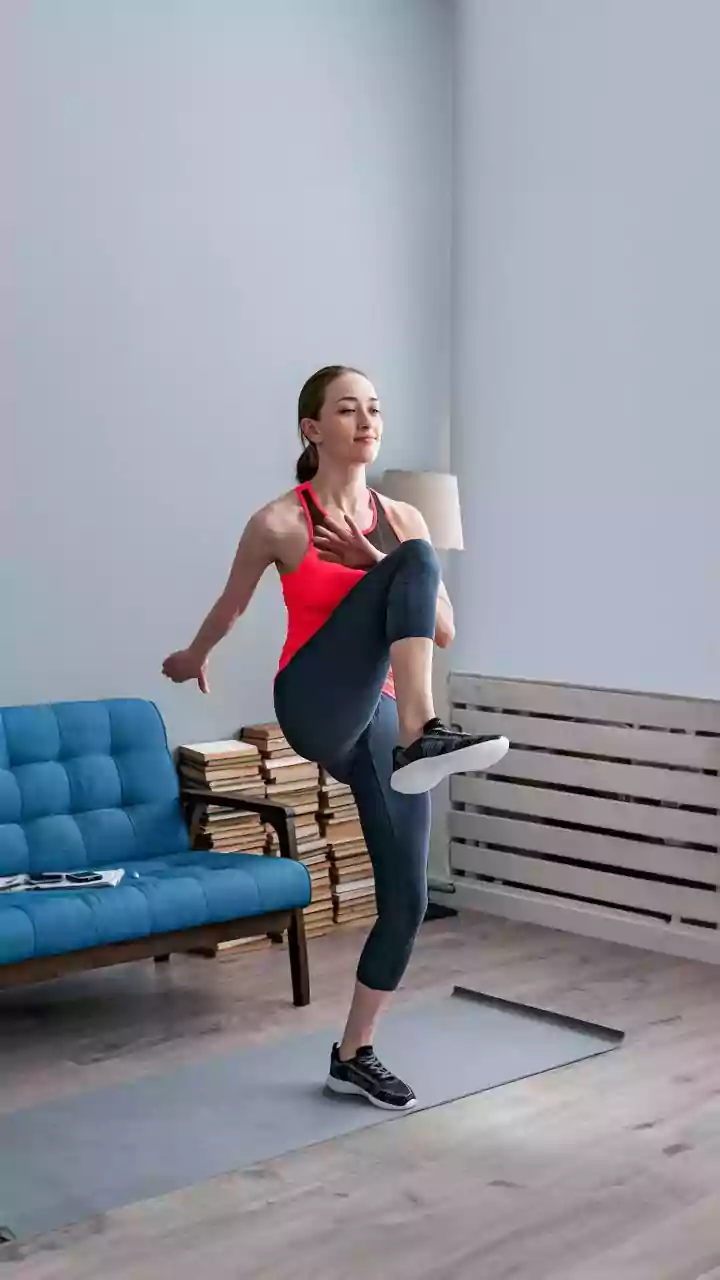
The debate over morning versus evening workouts can also be settled by your chronotype. The most effective workout is one that matches your individual biological rhythm. One study showed that morning types responded best to exercise between 8 a.m. and 11 a.m., while evening types saw greater improvements when training between 6 p.m. and 9 p.m. For strength training, many find the late afternoon is ideal because core body temperature is higher, which can improve performance. However, morning exercise has been linked to better blood pressure regulation and sleep. Ultimately, the best time to exercise is the time you can do it consistently, but aligning it with your chronotype can offer an extra edge.
Eating in Sync with Your Rhythm
It’s not just what you eat, but when you eat. Your metabolism also follows a circadian rhythm, with insulin sensitivity generally higher in the morning and decreasing throughout the day. This suggests that eating larger meals earlier and having a lighter dinner can be beneficial for blood sugar control and weight management. Eating late at night, when your body is preparing for sleep and melatonin levels are rising, can disrupt metabolic processes and even sleep quality. Aligning your meals with your internal clock is another powerful way to support your overall well-being.
Can You Change Your Chronotype?
Since your chronotype is largely genetic, a complete overhaul isn't really possible—an owl can't magically become a lark. However, you can influence its expression and make gradual shifts. The most powerful tool for this is light exposure. Getting plenty of natural sunlight in the morning helps to advance your internal clock, making it easier to wake up earlier. Conversely, reducing exposure to artificial light from screens in the evening can help you feel sleepy at a more reasonable hour. While you can't fight your fundamental nature, you can create routines that gently nudge your body clock in the desired direction, especially if your lifestyle demands it.