





The End of the Speed-vs-Health Compromise
For decades, the options for a quick weeknight dinner were limited. You could either spend an hour or more cooking a healthy meal from scratch or resort to instant noodles and other processed options that were fast but nutritionally lacking. This forced
compromise left many health-conscious but time-poor individuals frustrated. Today, that old binary is breaking down. A combination of rising health awareness, busier lifestyles, and technological innovation has created a surge in demand for food that is both quick to prepare and genuinely nutritious. Consumers are no longer willing to sacrifice their well-being for the sake of a few saved minutes, and the market is responding in a big way.
What's Driving the Demand for Better Meals?
Several key factors are fuelling this culinary shift. Firstly, there is a growing awareness around health and wellness, with many people actively seeking out foods rich in protein and fibre while being low in sugar and artificial additives. In India, a combination of rising incomes, urbanisation, and an increase in dual-income households means more people have the means and motivation to seek out convenient meal solutions. The pandemic also played a role, renewing interest in home cooking and highlighting the link between diet and health. As a result, consumers are now scrutinising labels and demanding cleaner ingredients, even from ready-to-eat (RTE) products. This has pushed brands to innovate beyond basic preservation and focus on delivering 'shelf-to-table' quality that rivals a home-cooked meal.
The New Generation of Quick and Healthy Solutions
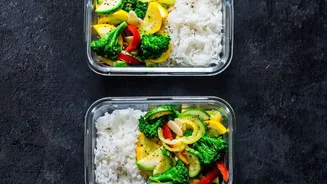
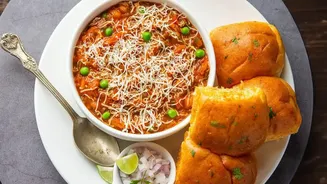
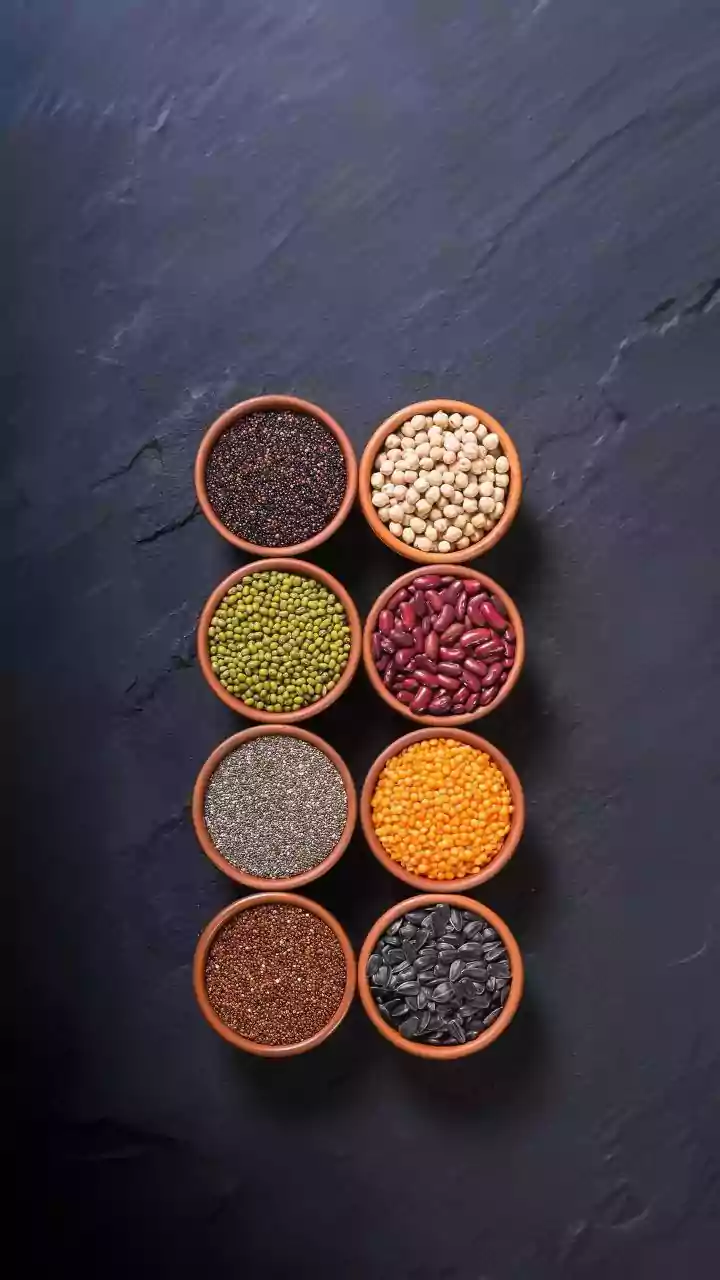
The response to this demand has been diverse and innovative. The ready-to-eat (RTE) market in India is projected to grow significantly, with a clear trend towards healthier options. Brands are launching products with clean labels, fewer preservatives, and balanced nutritional profiles, including millet-based meals and plant-protein options. Meal kits, which provide pre-portioned ingredients and recipes, have also evolved, offering gourmet-quality meals that can be cooked at home, reducing planning and shopping time. Beyond packaged goods, smart kitchen appliances like AI-powered ovens and advanced cookers are making it easier to achieve precise, consistent results with minimal effort, further bridging the gap between convenience and quality. Even something as simple as a paneer bhurji wrap or moong dal cheela can be a complete, high-protein meal ready in 10-15 minutes.
Reading the Labels: How to Find Genuinely Healthy Options
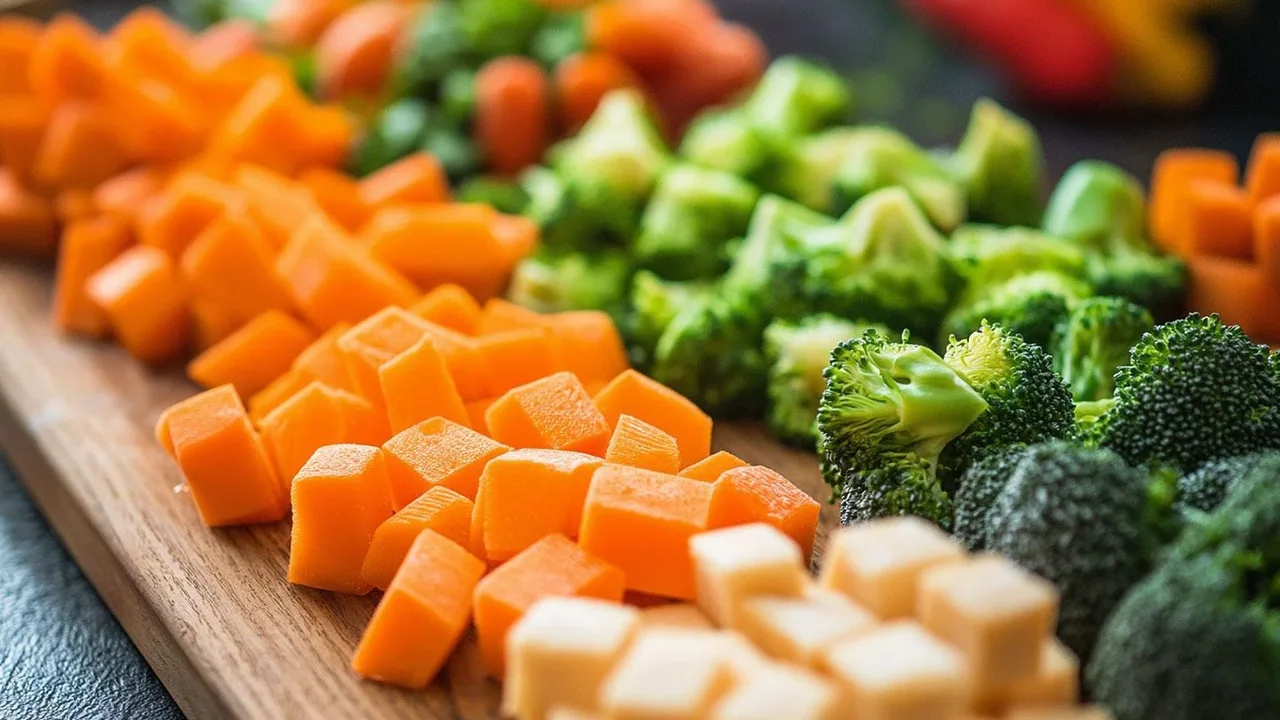
As the market floods with 'healthy' convenience foods, it’s important to be a discerning consumer. The term 'healthy' can be subjective, so it's crucial to look beyond marketing claims. When choosing a quick meal, start by reading the nutrition label and ingredient list. Look for products made with whole foods like vegetables, whole grains, and lean proteins. Pay attention to sodium and sugar content, which can be high in some processed foods. A truly healthy convenience food should be low in artificial additives and preservatives. Many consumers are now willing to pay a premium for snacks and meals with natural ingredients and high protein content, signalling a broader shift where 'value' is defined by health benefits, not just price.