




Meet the Moong Dal Pakora
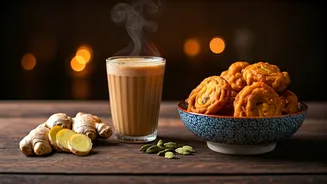
When the skies turn grey and the rain begins to fall, the craving for something hot, crisp, and savoury is almost universal across India. For most, the answer is a plate of classic pakoras, made with a besan (gram flour) batter encasing everything from
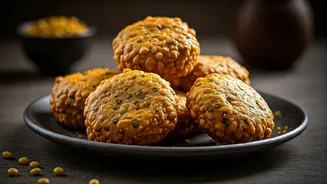
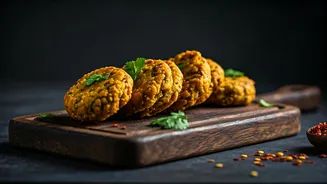
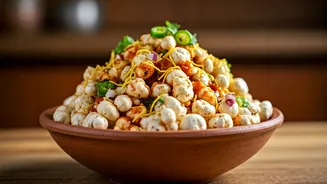
onions and potatoes to paneer and spinach. They are delicious, nostalgic, and deeply satisfying. But there’s another version waiting in the wings, one that’s lighter on the stomach, packed with more protein, and arguably even more delicious: the moong dal pakora.Often known as 'Ram Ladoo' in Delhi, these golden, crispy fritters are made from a batter of soaked and ground yellow lentils (dhuli moong dal) instead of besan. The result is a pakora that boasts a uniquely fluffy and airy interior while maintaining an addictively crunchy exterior. It’s not about replacing a classic but about discovering a brilliant alternative that might just become your new favourite.
The Flavour and Health Upgrade
So, why make the switch? The difference lies in the base ingredient. Besan is milled from roasted or raw chickpeas, giving it a dense, earthy flavour. Moong dal, on the other hand, is a lighter lentil. When ground into a batter, it fries up to be significantly less dense and absorbs less oil, making the pakoras feel less heavy. This is the primary reason many prefer it—you can enjoy a few more without feeling overly full or sluggish afterwards.From a nutritional standpoint, moong dal is a powerhouse. It's rich in protein and dietary fibre, which aids digestion and promotes a feeling of fullness. While frying any food adds calories, starting with a more nutrient-dense base is a smart move. The flavour is also distinct. Moong dal pakoras have a milder, more delicate taste that allows the added spices—like ginger, green chillies, and asafoetida (hing)—to truly shine. They don't have the slight bitterness that can sometimes accompany besan, offering a cleaner, fresher taste on the palate.
How to Make Perfect Moong Dal Pakoras
The process is simple, but a few key steps make all the difference. Start by rinsing one cup of yellow moong dal until the water runs clear. Soak it in ample water for at least two to three hours. Once soaked, drain the water completely—this is crucial for a non-soggy batter. Transfer the dal to a grinder with a piece of ginger, a couple of green chillies, and a pinch of asafoetida. Grind it into a coarse, thick paste. Do not add any water; the moisture in the dal is enough. Over-grinding or adding water will result in a thin batter that absorbs too much oil.Transfer the batter to a bowl. Now comes the most important step for texture: aeration. Using a whisk or your hand, beat the batter vigorously for four to five minutes. You'll notice it become lighter in colour and much fluffier. This incorporates air, which is the secret to light, airy pakoras. Finally, stir in salt to taste and some finely chopped coriander leaves. Your batter is now ready for frying.
Tips for a Flawless Fry
To achieve that perfect golden-brown crunch, heat your oil in a kadai over medium-high heat. To test if it's ready, drop a tiny bit of batter into the oil; if it sizzles and rises to the top immediately without browning too quickly, the temperature is perfect. Using your fingers or a spoon, drop small portions of the batter into the hot oil, being careful not to overcrowd the pan. Frying in batches ensures the oil temperature remains stable and the pakoras cook evenly.Fry them for a few minutes, turning occasionally, until they are crisp and evenly golden. Remove them with a slotted spoon and let them drain on a paper towel. The classic way to serve these, especially in their 'Ram Ladoo' form, is topped with tangy green chutney, sweet tamarind chutney, and a generous garnish of grated radish (mooli). The cool, sharp bite of the radish beautifully cuts through the richness of the fried pakoras, creating a perfect balance of flavours and textures.