





From Backyard Staple to Vegan Superstar
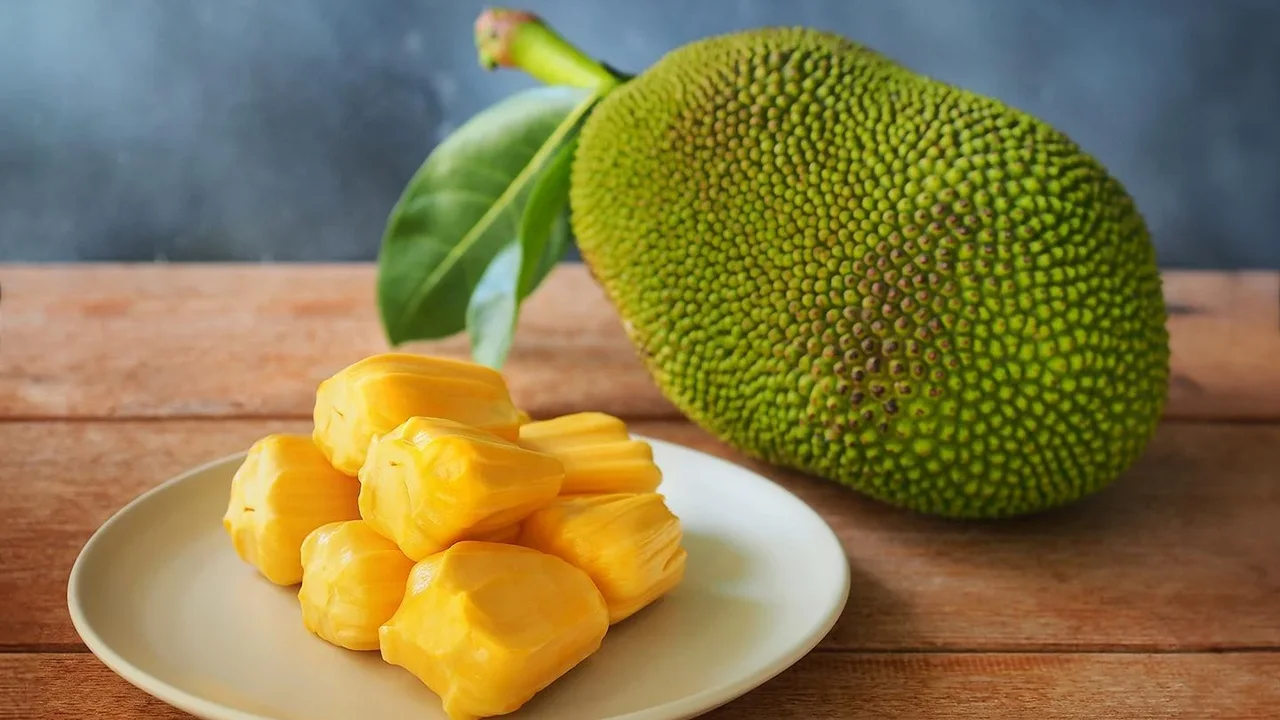
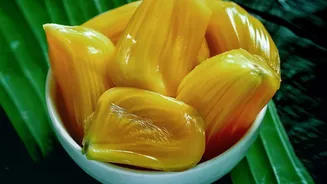
For generations, jackfruit, or 'kathal', has been a familiar sight across India. Native to South India, it’s a versatile ingredient, used in everything from curries and pickles when unripe to desserts when sweet and ripe. For years, it was so abundant
that it was often taken for granted, sometimes called the “poor man’s meat” because it was filling and inexpensive. Now, this humble fruit is undergoing a remarkable transformation. Driven by a global surge in plant-based eating, the unripe jackfruit’s unique, fibrous quality has made it a darling of the vegan world, where its texture is celebrated as a convincing substitute for pulled pork or chicken. This Western trend has boomed back to its roots, with Indian chefs and foodies now reimagining the fruit in contemporary, globally-inspired dishes.
The Secret is in the Texture
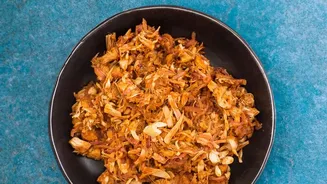
The magic of jackfruit as a meat substitute lies in its unique physical properties. When unripe, the fruit’s flesh is dense and stringy. Its flavour is relatively neutral, allowing it to act like a sponge, soaking up marinades, spices, and sauces. This makes it the perfect canvas for bold flavours, whether it’s a smoky barbeque sauce or a spicy Indian masala. When cooked, the fibrous flesh shreds and pulls apart, strikingly mimicking the mouthfeel of slow-cooked meat. It's this textural similarity, more than anything, that has allowed jackfruit to convincingly step into roles traditionally held by meat, from tacos and burritos to the star of our story—the slider.
The Air-Fryer Advantage
The second part of this culinary breakthrough is the cooking method. While jackfruit can be prepared in many ways, the air fryer has emerged as a particularly popular tool for this trend. Air-frying offers a way to achieve a desirable crispy-on-the-outside, tender-on-the-inside texture without deep-frying in oil. This appeals directly to a growing segment of health-conscious Indian consumers who want indulgence without the guilt. For jackfruit, air-frying can perfectly crisp the edges of the shredded fruit, adding another layer of texture that enhances the 'meaty' illusion. It’s a modern, convenient technique that aligns perfectly with the sensibilities of urban foodies looking for quicker, healthier ways to create exciting meals at home.
A Sign of India's Evolving Palate
The rise of the jackfruit slider is more than just a passing fad; it represents a larger shift in India's food culture. The Indian vegan and plant-based market is experiencing significant growth, projected to expand at a compound annual growth rate of over 9% between 2026 and 2033. This growth is driven by increasing awareness around health, sustainability, and animal welfare. What makes the jackfruit trend so compelling is that it doesn't rely on heavily processed imitation meats. Instead, it takes a natural, whole food that is culturally familiar and reinvents it. This fusion of local ingredients with global formats like sliders speaks to an adventurous Indian foodie culture—one that is proud of its heritage but eager to experiment and innovate.
Nutritious and Delicious?
From a nutritional standpoint, jackfruit has a lot to offer. It is low in calories and fat, and a good source of dietary fibre, vitamin C, and potassium. It also contains various antioxidants and plant compounds that may help fight inflammation. However, it's important to note that while its texture is a great substitute for meat, its protein content is not. Jackfruit contains significantly less protein than animal meat or even other plant-based sources like lentils and chickpeas. Therefore, while it makes for a delicious and fibrous addition to a meal, those relying on it as a primary meat replacement should ensure they are getting adequate protein from other sources in their diet.