






Why August Offers a Golden Opportunity
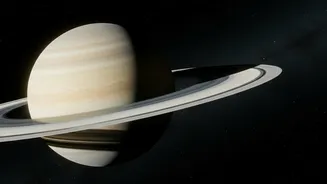
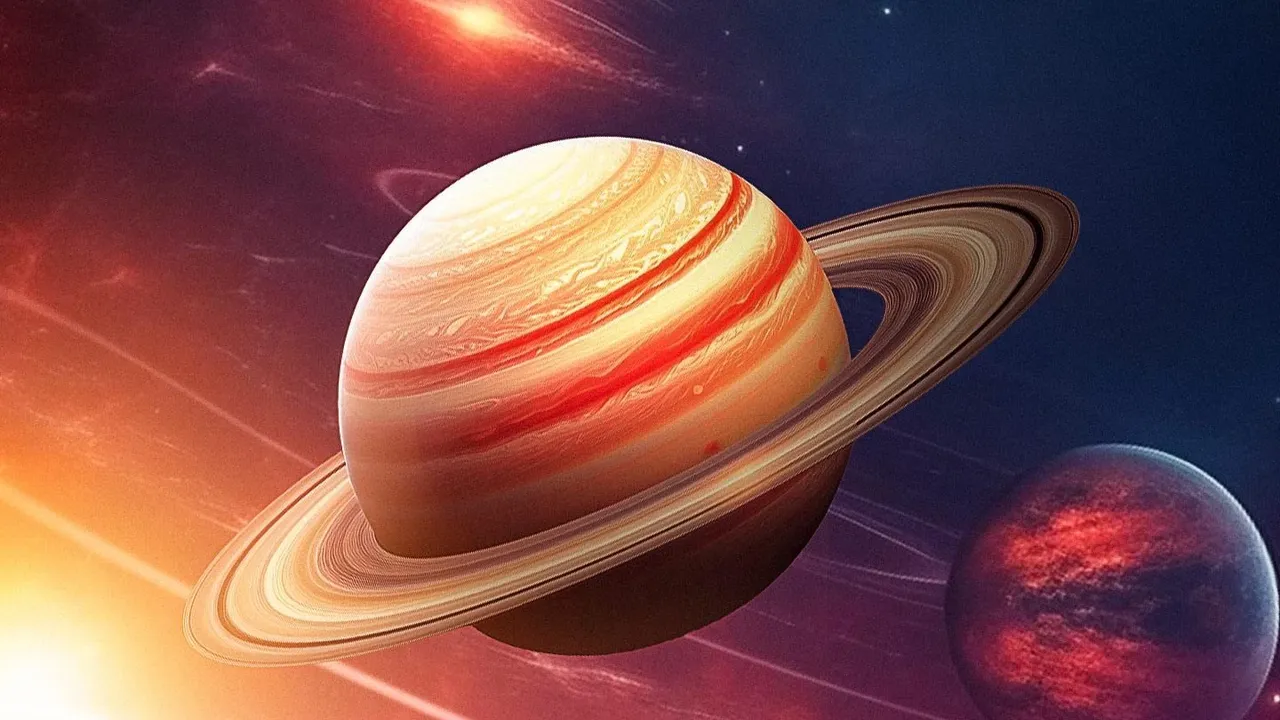
Throughout August 2026, Saturn is making its grand entrance into the evening sky, becoming progressively brighter and better positioned for observation. This is all in preparation for its 'opposition' on October 4. Opposition is the point in a planet's
orbit when Earth passes directly between it and the sun. For viewers on Earth, this means Saturn will be at its closest and brightest for the year, rising around sunset and staying visible all night long. While the technical peak is in early October, the entire period from late August onwards is considered an excellent window for viewing. Think of August as the spectacular opening act for the main event.
When and Where to Look for Saturn
Finding Saturn is easier than you might think. During August, the planet will rise in the east in the late evening. Early in the month, you may need to wait until around 11 p.m. for it to clear the horizon, but by the end of August, it will be rising as early as 9 p.m. The planet will be located in the constellation Pisces. Don't worry if you can't name constellations; Saturn will be one of the brightest objects in that part of the sky, shining with a steady, yellowish light that doesn't twinkle like a distant star. For an easy find, look for the Moon on the night of August 30-31, when it will appear close to Saturn. Stargazing apps can also point you in the exact direction from your location.
Your Viewing Guide: From Naked Eye to Telescope
You don't need expensive gear to enjoy this celestial event. With just your eyes, Saturn will appear as a bright, star-like point. Its steady glow is the key differentiator from actual stars. Grab a pair of binoculars, and you might notice that the point of light is slightly elongated or oval-shaped—that's your first hint of its famous rings. To truly see the rings distinctly separated from the planet, you’ll need a telescope. Even a small beginner's telescope with at least 50mm aperture and 25x magnification can reveal Saturn's most iconic feature. With a larger amateur telescope, you might even be able to spot the Cassini Division, a dark gap in the rings, or Saturn's largest moon, Titan, appearing as a tiny star-like dot nearby.
Pro Tips for the Best Possible View
To enhance your experience, a few simple preparations go a long way. First, try to get away from bright city lights. A park or a rural area with a clear view of the eastern and southern sky is ideal. Give your eyes at least 15-20 minutes to fully adapt to the darkness; this will allow you to see much fainter objects. Avoid looking at your bright phone screen, which can ruin your night vision. If you need a light, use a torch with a red filter. Finally, be patient. Atmospheric conditions can change, and moments of steady air will provide the clearest, sharpest views through a telescope. A little patience at the eyepiece can be rewarded with a breathtakingly clear image of the ringed planet.