


Indian homes are turning a new page, moving beyond mass-produced decor to embrace something with more soul. Traditional crafts are being cleverly adapted for modern living, proving that heritage can be both beautiful and refreshingly contemporary.
Why This Shift, and Why Now?
In a
world of fast furniture and digital perfection, there is a growing desire for authenticity and connection. Homeowners are increasingly seeking decor that tells a story, supports local artisans, and brings a sense of warmth and character into their spaces. This movement is less about creating a museum-like 'ethnic' look and more about thoughtful integration. It’s about choosing pieces that carry the imprint of the human hand and reflect a rich cultural legacy without feeling dated. The appeal lies in the imperfections — the subtle variations in a hand-printed fabric or the warm patina of a brass sculpture — that mass production cannot replicate. This shift is also tied to a greater consciousness around sustainability, as many of these crafts utilise local, eco-friendly materials and small-batch production methods.
Block Printing Reimagined
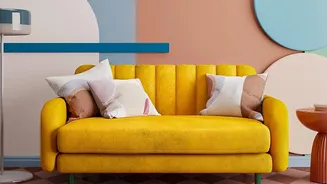
Block printing, a centuries-old technique from regions like Rajasthan, is finding new life far beyond traditional kurtas and quilts. Instead of just intricate paisleys, designers are using hand-carved blocks to create bold geometric and minimalist floral patterns. These modern motifs are appearing on everything from wallpapered accent walls that act as the 'visual heartbeat' of a room, to cushion covers that add a pop of colour to a neutral sofa. The key to the modern look is balance. A single statement piece, like a bedspread or a tablecloth, can bring artisanal texture to a room without overwhelming it. Even framed fabric panels are being used as unique wall art, celebrating the craft itself.
The New Age of Cane and Bamboo
Once associated with rustic outdoor furniture, cane and bamboo are now at the forefront of interior design trends for their eco-friendly and aesthetic appeal. The modern adaptation focuses on clean lines and innovative forms. Think sleek, mid-century modern style chairs with woven cane panels, minimalist bamboo swings creating cosy indoor reading nooks, and handwoven lampshades that cast a warm, diffused glow. This furniture works exceptionally well in Indian homes because its woven nature allows for air circulation, making it comfortable in warmer climates. Its visual lightness also prevents a room from feeling heavy or cluttered, adding texture and a connection to nature.
Metalwork’s Modern Gleam
Traditional metal crafts like Dhokra, the ancient lost-wax casting technique from communities in states like Chhattisgarh and West Bengal, are adding a sculptural and earthy element to contemporary interiors. These brass and bronze pieces, known for their distinctive, fine-line surface texture, are no longer confined to traditional figurines of deities and animals. Today, you’ll find Dhokra art adapted into abstract wall hangings, statement door handles, and unique lamp bases that serve as conversation starters. The warm, antique-gold patina of the metal pairs beautifully with minimalist decor, adding a touch of rustic elegance and a story of tribal heritage to an otherwise modern space.
Weaving New Narratives with Textiles
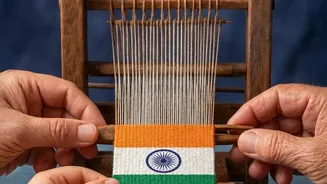
India's handloom legacy, from Banarasi brocades to Kutch embroidery, is being reinterpreted in ways that go beyond occasion wear. Designers are taking these luxurious fabrics and using them as 'structural art'. For instance, a panel of intricate Kadhua weave might be framed as a wall tapestry, or a richly embroidered textile could be used to upholster a single, striking accent chair. Rugs and dhurries with traditional motifs provide a grounding element in a living room, while handwoven throws add layers of texture and comfort. This approach allows the craftsmanship to take centre stage, transforming functional textiles into focal points of art and heritage.