




The Hidden Dangers of Too Much Rain
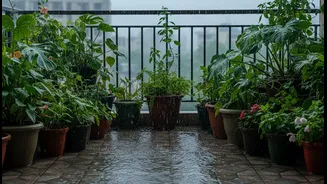
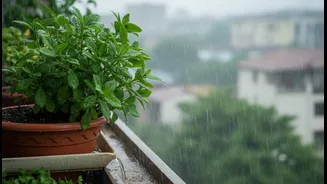
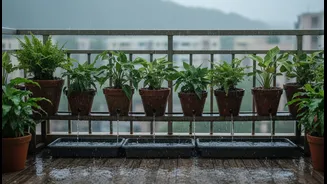
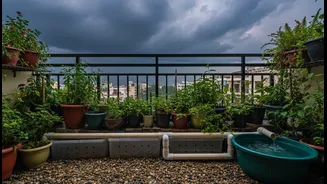
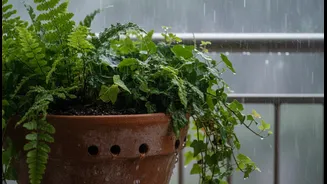
While rain is essential, an intense downpour in a container garden is a different story. Unlike gardens in the ground, pots have a finite volume. When excess water cannot escape, the soil becomes saturated, pushing out the oxygen that roots need to breathe.
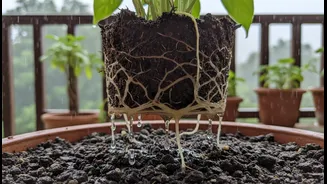
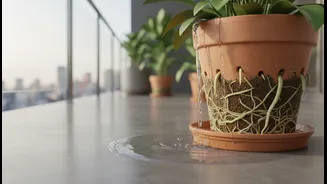
This condition, known as waterlogging, is the primary cause of root rot. Signs of trouble include leaves turning yellow or brown, wilting even when the soil is wet, and a sour or foul smell from the soil. This happens because the lack of oxygen leads to the death of root tissues, making them soft, brown, and mushy instead of firm and white. A waterlogged plant can't absorb nutrients properly and becomes vulnerable to fungal diseases and pests.
Assess Your Current Drainage Setup
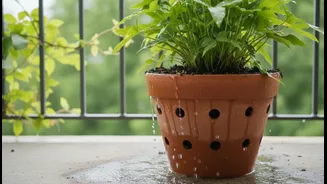
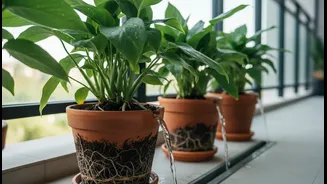
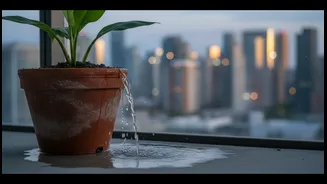
Before the next storm, take a critical look at your pots. Do they have drainage holes? One hole is often not enough, especially for non-porous containers like plastic or glazed ceramic. After watering, does the water flow out freely, or does it pool on the surface? If it pools, the soil may be too compacted or the drainage holes could be blocked. Also, check what’s under your pots. If they sit flat on the balcony floor, the holes can easily get clogged. Similarly, if pots are left sitting in water-filled saucers, the roots are constantly submerged, defeating the purpose of drainage entirely. Removing plants from decorative pots without holes to let them drain is a crucial step many gardeners miss.
Simple Fixes to Improve Drainage Now
You can take immediate steps to help your plants survive the deluge. First, elevate your pots. Placing pots on 'feet', bricks, or even bottle caps creates a space underneath for water to escape and air to circulate. If a pot is waterlogged, gently tilt it to help excess water run out. For compacted soil, you can carefully aerate it by poking a few deep holes with a skewer or chopstick around the edge of the pot, which helps air reach the roots. If a plant is already showing signs of distress, you may need to carefully remove it from the pot, inspect the roots, trim any rotten parts with clean scissors, and repot it in fresh, well-draining soil.
Smarter Potting for a Rain-Proof Garden
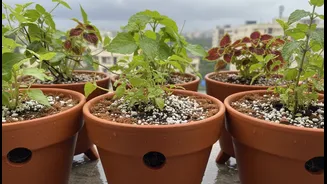
When setting up new pots or repotting, think about drainage from the start. Always use a high-quality potting mix designed for containers, not heavy garden soil, which compacts easily. These mixes contain ingredients like perlite, vermiculite, or coco coir to keep the soil light and aerated. If your pot has no holes, it is best used as a decorative cachepot; keep your plant in a functional nursery pot with holes that you can place inside. While it was once common advice, adding a layer of gravel or broken pottery to the bottom of a pot does not improve drainage; in fact, it can create a perched water table that keeps the root zone wetter. Instead, ensure the entire pot is filled with a good quality potting mix.
Beyond the Pot: Additional Monsoon Strategies
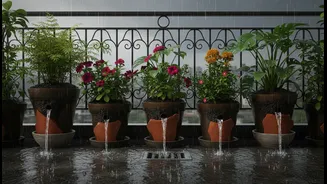
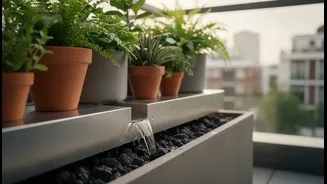
During periods of relentless rain, even good drainage might not be enough. If possible, move smaller, more sensitive plants like succulents and cacti to a sheltered spot under an overhang to control their water intake. For larger, immovable pots, consider grouping them away from the edge of the balcony to manage runoff. Strong winds accompanying storms can also damage plants, so consider providing support for taller species by staking them. Also, be mindful of where your overflow water is going. On a balcony, runoff can affect neighbours below, so using deep saucers that you empty regularly or large trays to catch excess water is a courteous and effective practice.