



Malta vs. Gozo: A Tale of Two Islands
Before you plan your routes, it’s essential to understand the difference between Malta and its sister island, Gozo. While Malta is the larger, busier hub, many experienced cyclists recommend focusing on Gozo for a more pleasant experience. Gozo's roads
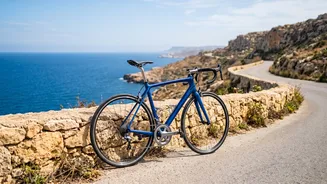
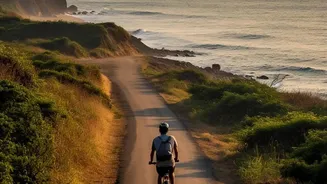
are significantly quieter, with less traffic and a more rural character that makes for relaxed and scenic riding. The main island of Malta can be challenging due to high car density, impatient drivers, and developing cycling infrastructure. For this reason, many visitors choose to take the ferry to Gozo for the bulk of their cycling adventures, while saving Maltese rides for early mornings or specific, quieter coastal stretches.
Must-Ride Coastal Route on Gozo
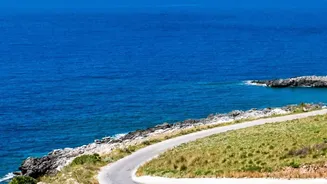
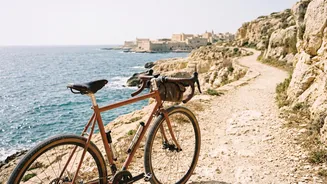
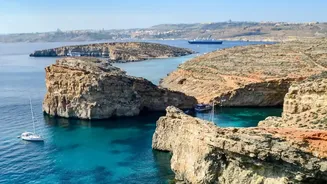
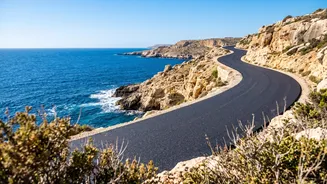
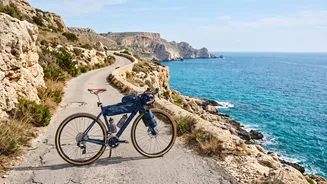
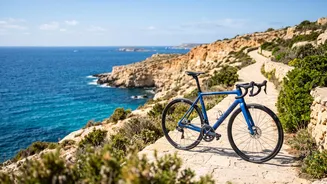
Gozo is the undisputed star of Maltese cycling. A popular and rewarding option is the full coastal loop, a journey of approximately 40-45 km that showcases the island’s diverse beauty. Starting from the Mġarr Harbour, you can ride a circuit that takes you through charming villages, past the famous Xwejni Salt Pans, and along dramatic cliffside roads. Key stops can include the seaside towns of Marsalforn and Xlendi, the historic Citadel in Victoria, and breathtaking viewpoints like the cliffs near Dwejra. The terrain is hilly but manageable, with punchy climbs out of bays followed by rewarding descents. This route offers a perfect blend of natural scenery, cultural landmarks, and coastal vistas.
Exploring Malta's Coastline
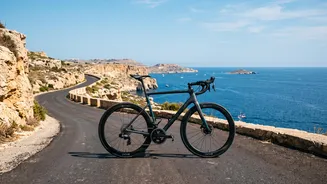
If you're set on cycling the main island, strategic route selection is key. In the south, a popular ride connects the fishing village of Marsaxlokk with the stunning Blue Grotto. This route allows you to see the colourful traditional 'luzzu' boats and the impressive sea caves. Further up the coast, the ride from the Dingli Cliffs down towards Għar Lapsi offers spectacular, elevated sea views from Malta's highest point. In the north, the road from Mellieħa towards the Gozo ferry terminal at Ċirkewwa is relatively scenic, passing by some of the island's best sandy beaches, including Golden Bay.
Practical Tip: Embrace the E-Bike
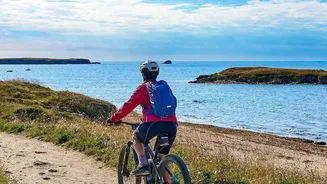
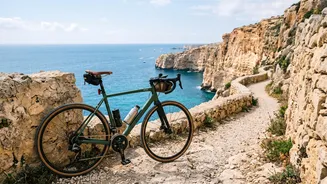
Both Malta and Gozo are hilly. While distances may seem short on a map, the constant ups and downs can be taxing, especially in the heat. This is where electric bikes, or e-bikes, are a game-changer. They make the islands' notorious climbs far more manageable for cyclists of average fitness, turning a potential struggle into an enjoyable ride. Rentals for standard bikes typically cost between €15-€20 per day, while e-bikes range from €25-€45. Given the terrain, many consider the extra cost for an e-bike a worthwhile investment for a more comfortable holiday.
Holiday Planning: When to Go and What to Bring
Timing your trip is crucial. The best seasons for cycling in Malta are spring (March to May) and autumn (September to November). During these months, the weather is pleasantly warm without the intense summer heat, and the landscapes are often green and lush. Summer cycling is possible, but you must ride in the very early morning or late afternoon to avoid dangerously high temperatures and peak traffic. When packing, a helmet is strongly recommended, even if not always legally required for adults. Also bring water, snacks, sunglasses, and a reliable navigation app, as shops can be scarce on rural routes.
Renting and Staying Safe
Bike rental shops are available in major tourist areas like Sliema and Buġibba in Malta, and near the Mġarr ferry port in Gozo. It's wise to book your bike in advance, especially during peak season. When renting, confirm the bike's condition, particularly the brakes and gears. Safety on the road is paramount. Always ride on the left-hand side of the road. Be aware that Malta's cycling infrastructure is still a work in progress, and dedicated cycle lanes are not widespread. Assume you will be sharing the road with traffic and ride defensively. On Gozo, the traffic is much lighter, providing a safer and more relaxed environment.