



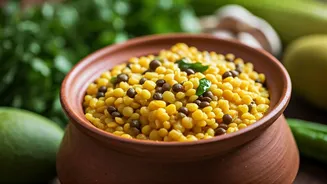


The Unsung Hero of the Indian Pantry
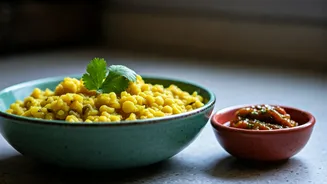
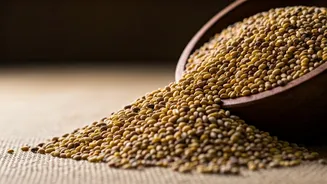
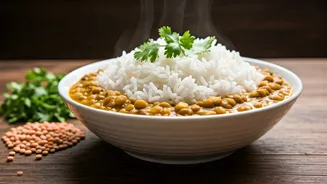
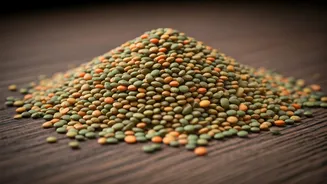
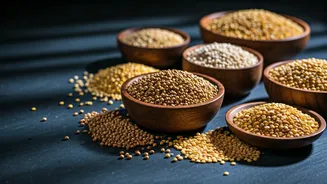
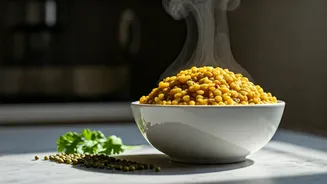
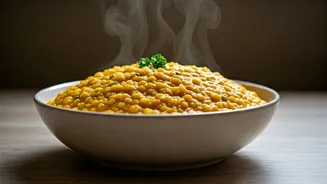
Moong dal, the small, yellow split lentil, is a staple in Indian households, often starring in comforting dals and khichdis. But its true potential is frequently overlooked, especially when it comes to the most important meal of the day. This versatile
legume is a nutritional powerhouse, packed with plant-based protein, essential vitamins, and minerals. It is particularly rich in protein, fibre, folate, iron, magnesium, and potassium. What makes it truly special for a morning meal is how easily digestible it is compared to other legumes, meaning you get all the benefits without feeling heavy or bloated.
Why Moong Is the Perfect Breakfast
Starting your day with moong dal offers several distinct advantages. First, its high protein and fibre content promotes satiety, keeping you feeling full and satisfied for longer, which helps prevent mid-morning cravings for unhealthy snacks. This combination supports weight management by reducing overall calorie intake. Second, moong dal has a low glycemic index (GI), which means it releases sugar into the bloodstream slowly. This helps maintain stable blood sugar and energy levels, avoiding the sharp spikes and subsequent crashes often associated with carb-heavy breakfasts. The steady energy release keeps you focused and productive throughout the morning.
Upgrade 1: The Classic Moong Dal Cheela
One of the most popular and delicious ways to enjoy moong for breakfast is by making a savoury pancake, or 'cheela'. To prepare, simply soak yellow moong dal for a few hours or overnight. In the morning, blend the soaked dal with ginger, green chillies, and a little water to form a smooth batter. You can add spices like cumin and turmeric for extra flavour. Pour the batter onto a hot, lightly greased pan and spread it like a dosa. You can make it even more nutritious by adding finely chopped vegetables like onions, carrots, or spinach to the batter. Cook until golden brown and serve hot with mint chutney or yogurt for a balanced, protein-rich start to your day.
Upgrade 2: The No-Cook Sprouted Moong Salad
For those extra busy mornings, a sprouted moong salad is a fantastic no-cook option. You can sprout moong beans at home by soaking them overnight and then keeping them in a damp cloth for a day or two until small tails emerge. To assemble the salad, take a bowl of these nutritious sprouts and toss them with finely chopped onion, tomato, cucumber, and fresh coriander. For seasoning, a squeeze of lemon juice, a pinch of chaat masala, and a little salt and pepper are all you need. This refreshing salad is not only packed with protein and fibre but also live enzymes from the sprouts, which aid digestion.
Upgrade 3: The Savoury Moong Dal Toast
A creative twist on the classic breakfast toast, moong dal toast offers a satisfying crunch and a punch of flavour. Prepare a thick batter by grinding soaked moong dal with minimal water, ginger, garlic, and spices. Mix in finely chopped vegetables like carrots and onions. Instead of making a pancake, spread this thick paste evenly on a slice of whole-wheat bread. Pan-fry the bread on a tawa or skillet, mixture-side down first, until it’s golden and crisp. Flip and toast the other side. This innovative recipe combines the goodness of lentils with the comfort of toast for a quick and filling meal.
Making Your Moong Upgrade a Habit
The key to successfully incorporating moong dal into your routine is a little preparation. You can soak the dal the night before, or even grind the cheela batter and store it in the refrigerator for a couple of days. A batch of sprouted moong can also be prepared over the weekend and kept in the fridge to be used in quick salads throughout the week. By having these components ready, you can whip up a healthy, homemade breakfast in minutes, making it a sustainable and beneficial change to your morning ritual.