




From Data to Symphony
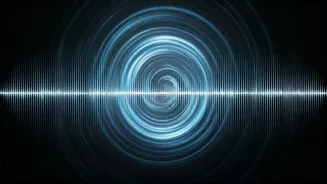
The technique behind this cosmic music is called data sonification. In essence, scientists take the digital data collected by telescopes like the Hubble, Chandra X-ray Observatory, and James Webb Space Telescope and map it to audible frequencies. Think
of it like a new kind of sheet music where the notes are written by the stars. Different properties of an astronomical image, such as brightness, colour, and position, are assigned specific pitches and volumes. For instance, brighter light might translate to a louder sound, while objects towards the top of an image could be assigned a higher pitch. This isn't about recording sounds in the vacuum of space—where sound can't travel—but rather about creating a new, auditory way to experience and conceptualize the vast amounts of information our telescopes gather.
What Does a Galaxy Sound Like?
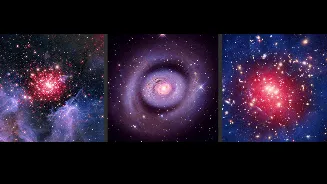
So, what are the results? The sounds are often ethereal, complex, and surprisingly moving. In one project, data from the galactic center of our own Milky Way was transformed into an intricate soundscape. Stars and compact sources become individual notes, while vast clouds of gas and dust create an evolving, drone-like hum. The sonification of the star cluster Pismis 24 used classical guitar notes for individual stars, with brighter stars playing louder and higher-pitched notes. In another example, X-ray data from the Chandra Deep Field South—the deepest X-ray image ever taken—was converted into a wash of tones where colours toward the red end of the spectrum are low notes and purple-hued light sources are high notes. The result is a haunting composition made from the light of thousands of black holes and distant galaxies.
More Than Just Pretty Noises
While the aesthetic appeal is undeniable, sonification is a powerful scientific tool. The human ear is exceptionally good at identifying patterns, especially over time. By listening to data, researchers can sometimes detect subtle details or changes that might be missed in a purely visual analysis. This is especially useful for sifting through massive, complex datasets. For blind and visually impaired individuals, sonification opens up the field of astronomy in an unprecedented way, making cosmic wonders accessible through hearing. Collaborations between astrophysicists, musicians, and accessibility experts are driving these projects, ensuring they are both scientifically rigorous and deeply engaging. This interdisciplinary approach bridges the gap between art and science, creating a richer understanding for everyone.
A New Connection to the Cosmos
This movement is about more than just data analysis; it's about connection. Hearing the eerie, beautiful sounds of a galaxy cluster or the delicate notes of a star-forming nebula fosters a deeper, more emotional appreciation for the universe. It takes abstract data points—ones and zeros beamed from a telescope—and turns them into a sensory experience. NASA and other space agencies have embraced sonification for public outreach, and the resulting audio and video clips have captivated millions online. These cosmic harmonies remind us that there are many ways to observe the universe, and that scientific discovery can appeal to our sense of wonder and beauty just as much as our intellect. It's a modern take on the ancient idea of the 'music of the spheres,' using 21st-century technology to compose a symphony of the stars.