

In the world of healthy eating, the ancient grain quinoa is a global superstar, while humble dal remains the heart of Indian cuisine. But how do they really stack up on your plate? Let’s break down this nutritional contest, bite by bite.
The Contenders: A Quick Introduction
First, let's get
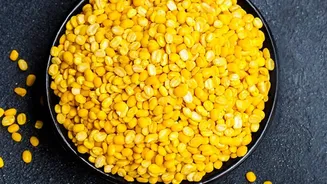
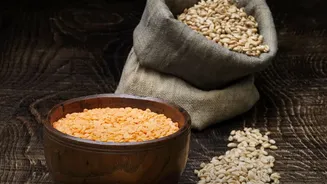
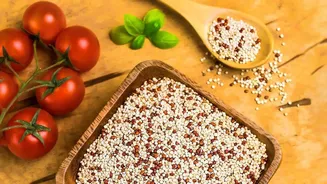
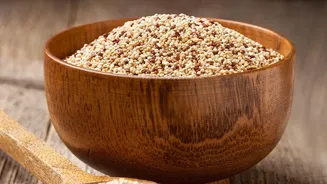
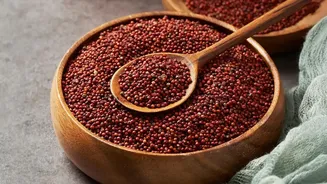
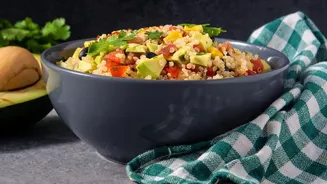
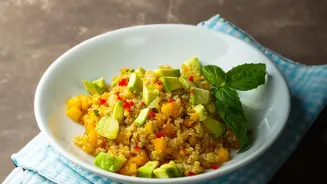
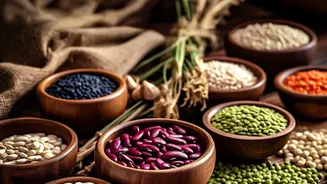
our terms straight. 'Dal' refers to a wide variety of split pulses like lentils, peas, and beans, which are cooked into a thick stew that is a cornerstone of Indian meals. Quinoa (pronounced 'keen-wah'), on the other hand, is technically a seed from South America, but it's cooked and eaten like a grain. While dal is a comforting, traditional staple, quinoa has gained popularity as a 'superfood' and a versatile alternative to rice or millets.
The Protein Power Play
Protein is where this comparison gets interesting. On a per-100g-cooked basis, lentils (the most common base for dal) are the clear winner. Cooked lentils provide about 9 grams of protein, whereas cooked quinoa offers around 4 to 8 grams depending on the source. However, quinoa has a unique advantage: it's a 'complete protein'. This means it contains all nine essential amino acids your body can't make on its own, a rare feat for a plant-based food. Lentils are a fantastic source of protein but are slightly limited in certain amino acids. This is why the traditional Indian meal of dal paired with rice or roti is so brilliant—the combination creates a complete protein profile.
Fibre and Carbohydrate Content
When it comes to dietary fibre, lentils take a commanding lead. A cup of cooked lentils can pack around 15.6 grams of fibre, which is more than half the recommended daily value. Cooked quinoa offers a respectable 5 grams per cup. This high fibre content makes dal excellent for digestive health and promoting a feeling of fullness. In terms of carbohydrates, both are quite similar, with around 20-21 grams per 100g cooked serving. However, lentils have a lower glycemic index (around 32) compared to quinoa (around 53). This means lentils raise blood sugar levels more slowly, making them a particularly good choice for blood sugar management.
Vitamins and Minerals: A Mixed Bag
Both foods are packed with essential micronutrients, but they shine in different areas. Lentils are nutritional powerhouses for iron and folate, with one cup providing a significant portion of your daily needs. They are also rich in potassium and Vitamin B1. Quinoa, meanwhile, stands out for its high magnesium and manganese content. It's also a good source of phosphorus and zinc. So, rotating between both in your diet ensures you get a wider spectrum of these vital nutrients.
In the Kitchen: Flavour, Texture, and Use
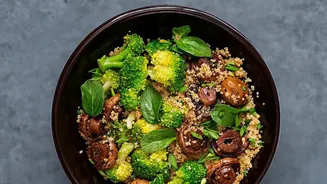
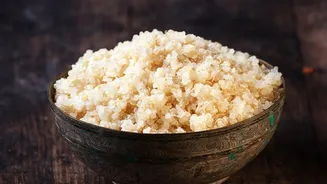
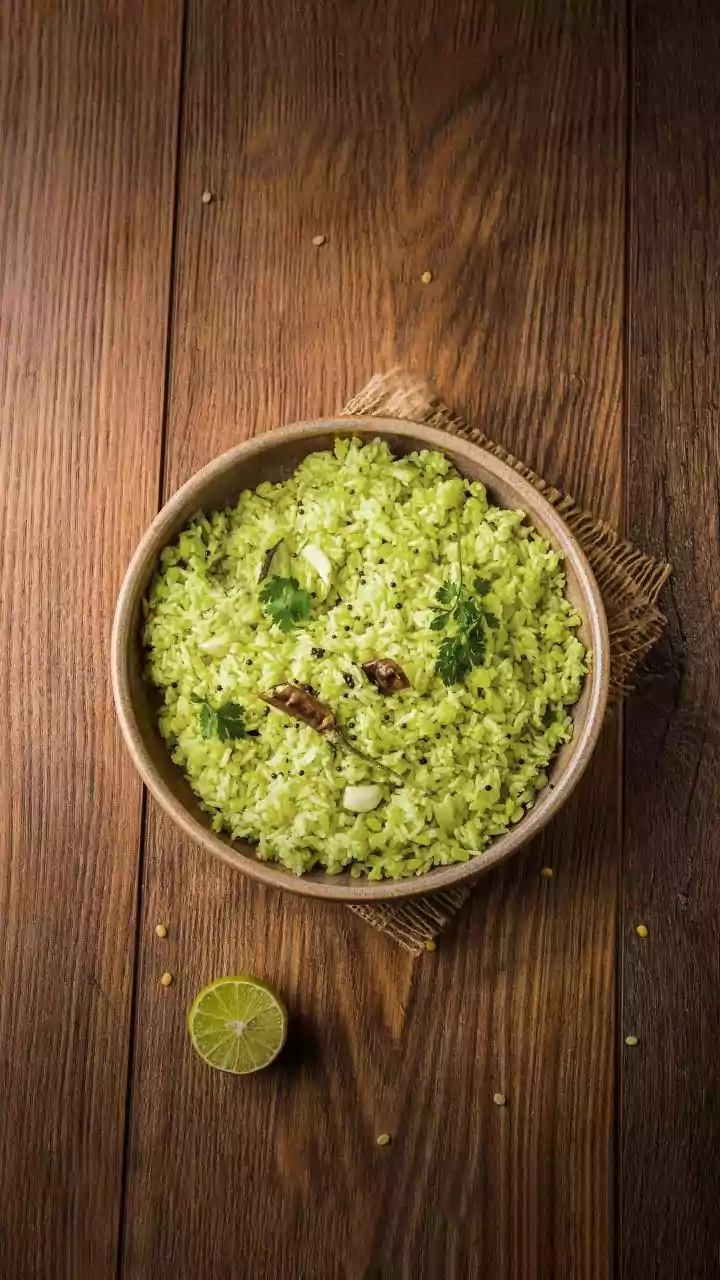
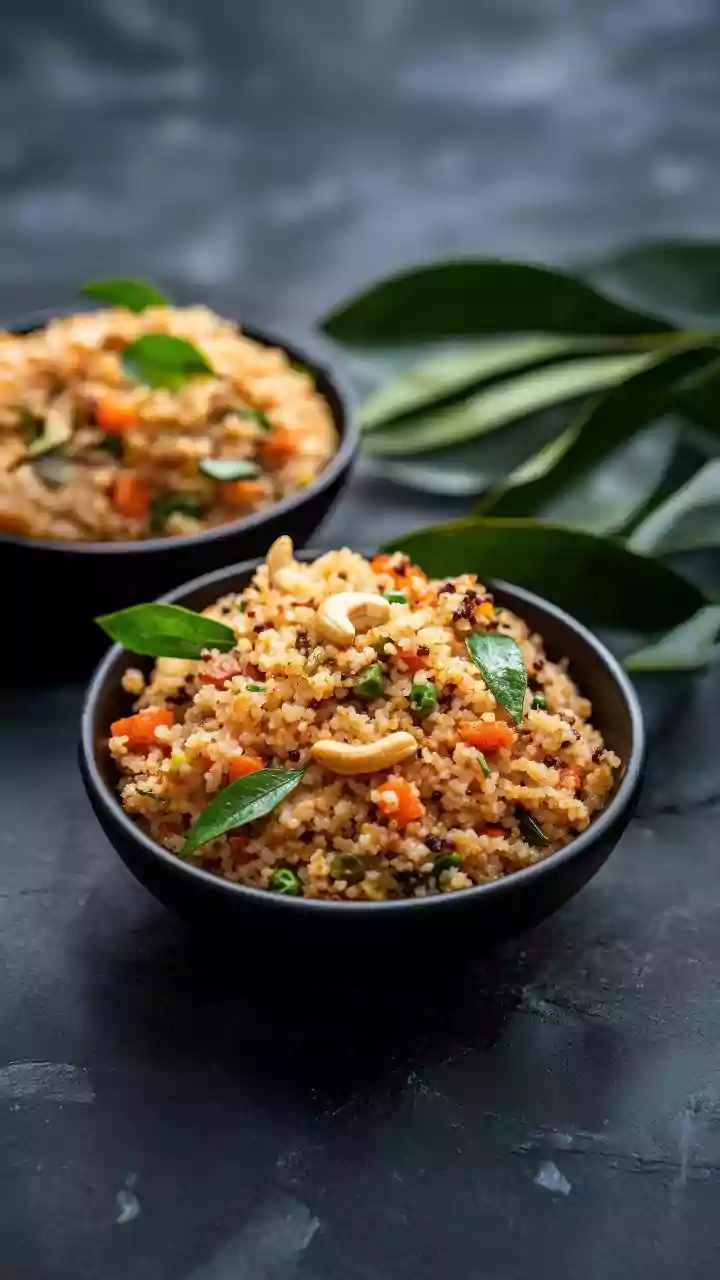
This is where personal preference and culinary tradition come into play. Dal is the ultimate comfort food, cooked until soft and creamy, perfect for soupy preparations, stews, and curries. Its flavour is earthy and readily absorbs spices. Quinoa cooks much faster, in about 15–20 minutes, and has a light, fluffy texture and a mild, nutty taste. You must rinse quinoa before cooking to remove saponins, a natural coating that can taste bitter. In an Indian kitchen, quinoa's versatility is its strength. It can replace rice in pulao, khichdi, and lemon rice, or be used to make upma, dosas, and even tikkis.
The Verdict: Which Should You Choose?
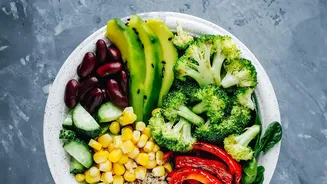
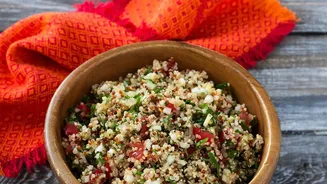
There is no single winner here. The best choice depends entirely on your goals. For pure protein and fibre content, dal is the undisputed champion and is incredibly cost–effective. It's fantastic for satiety, digestive health, and blood sugar control. For a quick–cooking, complete protein source that is incredibly versatile and can be used in salads, as a side, or as a rice substitute, quinoa is an excellent choice. It offers a different texture and a unique mineral profile, particularly rich in magnesium. Ultimately, these two foods aren't rivals but rather complementary partners in a healthy diet.