


From Grandeur to Granularity
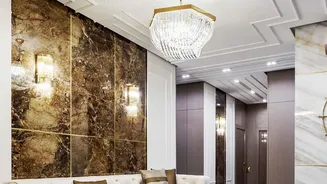
For generations, luxury in India was synonymous with size and visible expense. Think vast living rooms, ornate furniture, and cars that demanded wide roads. This was a legacy of an era where luxury was meant to be seen and to signal status in the most
obvious terms. However, this definition is losing its relevance for a new generation of affluent urban Indians. Driven by factors like rising real estate prices, global exposure, and a shift in values, consumers are no longer equating luxury with excess. The new status symbol isn't about having the most, but about having the best for one's specific needs.
Compact: The New Premium
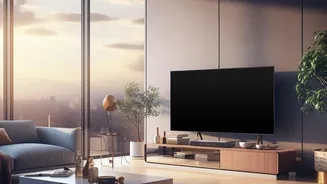
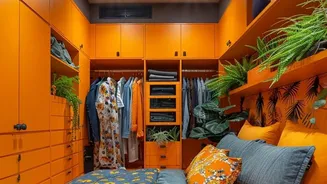
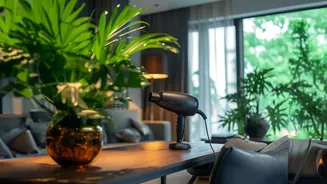
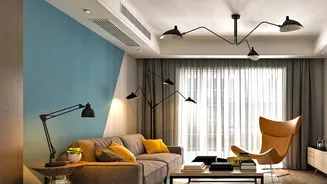
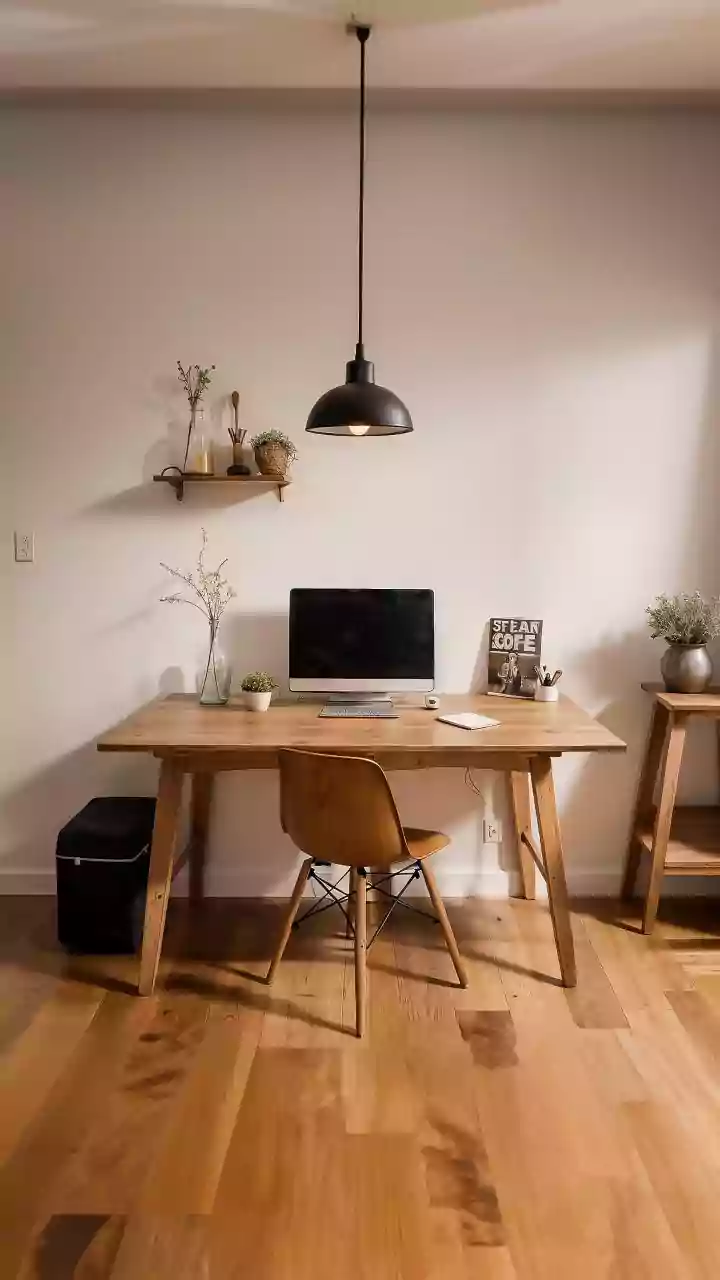
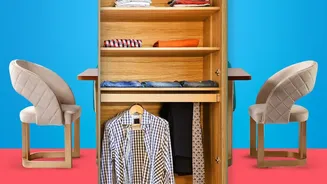
In metropolitan hubs like Mumbai, Delhi, and Bengaluru, where space is the ultimate luxury, the very idea of a sprawling home is becoming impractical. Instead, the focus has shifted to 'micro-luxury'—the art of creating high-impact, refined interiors within a limited footprint. A compact home of 600-800 sq. ft. is now a design laboratory for innovation. Luxury is found in clever, multi-functional design, premium materials, smart technology, and a prime location. Architects and designers are being challenged to make smaller spaces feel psychologically open and restorative, using intelligent layouts, layered lighting, and seamless storage solutions. This proves that luxury isn't about the square footage you own, but the quality of the experience within it.
Functionality Over Frills
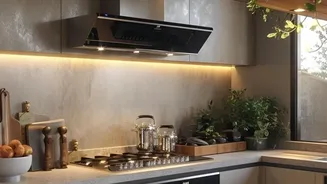
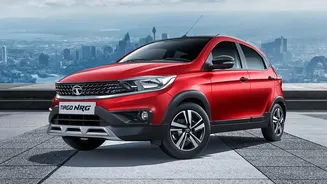
This move toward practical indulgence extends far beyond real estate. The modern luxury consumer wants products that enhance their daily lives, not just decorate them. This means choosing luxury that is functional, durable, and discreet. In the automotive world, it could mean a high-end electric vehicle that's easy to manoeuvre and park in a congested city. In home décor, it translates to modular furniture that adapts to changing needs or high-quality kitchen appliances that streamline daily chores. The underlying principle is that true luxury should serve you and improve your quality of life; it shouldn’t be something you have to work around. The emphasis has shifted from overt branding to craftsmanship, quality, and timeless design.
The Ultimate Luxury: Personalisation
Perhaps the most significant shift is the move from status-driven purchasing to meaning-driven consumption. Today’s consumers want luxury that reflects their identity. This has fuelled a massive demand for personalisation and bespoke services. From made-to-order jewellery and monogrammed accessories to custom-built furniture and curated travel experiences, the new luxury is about owning something that is uniquely yours. Brands are responding by offering everything from private consultations to creating one-of-a-kind pieces. This trend is driven by a desire for self-expression and the feeling of owning something with a story, moving beyond mass-produced exclusivity to something deeply personal.
Who is Driving This Change?
This evolution is being spearheaded by a younger, digitally-savvy, and globally-exposed demographic, including millennials and Gen Z. Unlike previous generations whose tastes were often shaped by family and tradition, these consumers are influenced by global trends, social media, and a strong sense of individuality. They are more discerning, research-driven, and value authenticity and sustainability. They are not just buying a product; they are buying into a brand's values and story. For them, luxury is an experience and a form of personal expression, not just a display of wealth.