





What Are The Orionids?
The Orionid meteor shower is one of the most reliable and anticipated celestial events of the autumn season. These shooting stars are not stars at all, but tiny fragments of ice and rock shed by one of the most famous objects in our solar system: Halley's
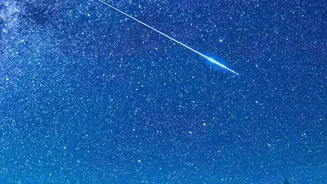
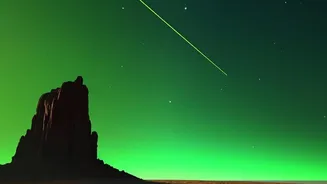
Comet. As Earth orbits the Sun, it crosses the comet's orbital path twice a year, treating us to the Eta Aquariid shower in May and the Orionids in October. The Orionids are known for their speed and brightness. Traveling at about 66 kilometres per second, they blaze into our atmosphere and can leave behind glowing trails, known as trains, that linger for a few seconds. These fast, bright meteors make them a spectacular sight, even if they aren't as numerous as other major showers like the Perseids or Geminids. Under perfect conditions, viewers can expect to see about 15 to 25 meteors per hour.
Peak Dates and The Moon Problem
For 2026, the Orionid meteor shower is predicted to reach its peak on the night of October 21-22. While meteors will be visible for several days before and after, these dates offer the highest concentration of activity. However, this year presents a significant challenge for sky-gazers. The peak viewing nights coincide with a bright waxing gibbous Moon, which will be about 80% illuminated. The Full Moon itself occurs just a few days later on October 26. Bright moonlight acts like natural light pollution, washing out the sky and making it difficult to spot all but the brightest meteors. A full or nearly full Moon can reduce the number of visible meteors by a significant margin, turning a potential shower into a mere trickle. This means that simply heading out at midnight might lead to disappointment.
Your Winning Strategy: The Pre-Dawn Window
Here is the most important tip for 2026: timing is everything. While the bright Moon will dominate the sky for much of the night, it doesn't stay there until sunrise. On the peak mornings of October 21 and 22, the Moon will set a few hours before dawn. This creates a precious, dark window of opportunity for meteor watching. The key to a successful viewing experience is to wait out the Moon. Instead of staying up late, consider setting an early alarm. The hours between moonset and the beginning of morning twilight will provide the darkest skies and, therefore, the best chance to see the Orionids in their full glory. This pre-dawn period is when the shower's radiant point—the constellation Orion from which the meteors appear to originate—is high in the sky, further improving your odds.
How and Where to Look
Once you're outside during that prime pre-dawn window, you don't need any special equipment. In fact, telescopes and binoculars are not recommended for watching meteor showers because they have a narrow field of view, and you want to see as much of the sky as possible. Find a safe, open area far from the glare of city and street lights. Lie on a blanket or a reclining chair and simply look up. While the meteors radiate from the constellation Orion, they can appear anywhere in the sky. Looking straight at the radiant is not necessary; sometimes the best views are 45 to 90 degrees away, where the meteors leave longer-lasting trails across the sky. Allow your eyes at least 20 to 30 minutes to fully adapt to the darkness. This will make a huge difference in how many faint meteors you can spot. Avoid looking at your phone, as its bright screen will ruin your night vision.
What to Bring for Comfort
A little preparation goes a long way toward enjoying the experience. October nights can be chilly, so dressing in warm layers is essential. Bring a comfortable reclining lawn chair or a thick blanket to lie on, as you'll be looking up for an extended period. A warm drink in a flask, like tea or hot chocolate, can make the wait more pleasant. If you need a flashlight, use one with a red light setting. Red light is less disruptive to your night vision than white light. Finally, patience is a virtue in stargazing. Meteors often come in spurts, with quiet lulls in between. Don't give up if you don't see one right away. The reward is well worth the wait.