





The Problem with Landfills
When you throw away organic kitchen scraps like fruit peels, vegetable ends, and eggshells, they typically end up in a landfill. Buried under mounds of other trash and compacted, this organic matter is deprived of oxygen. This creates an anaerobic (oxygen-free)
environment. Instead of breaking down cleanly like they would in nature, the scraps decompose very slowly and release a cocktail of harmful substances. This process is fundamentally different from the natural decay you see in a forest or a garden, and it sets the stage for significant pollution that impacts urban areas directly.
The Hidden Threat to Our Air
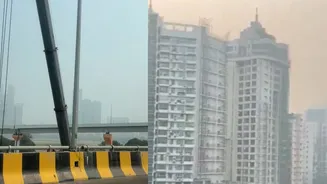
The primary gas produced during anaerobic decomposition in landfills is methane. Methane is a potent greenhouse gas, over 25 times more effective at trapping heat in the atmosphere than carbon dioxide over a 100-year period. Landfills are a major source of human-caused methane emissions. This gas doesn't just contribute to climate change; it also degrades local air quality. Methane can react with other pollutants in the presence of sunlight to form ground-level ozone, or smog, which is a respiratory irritant that can worsen conditions like asthma. By diverting organic scraps from landfills, we cut off this methane production at the source, leading to cleaner urban air.
How Landfills Contaminate Our Water
As rain and other moisture seep through the layers of waste in a landfill, they pick up a mix of toxic and soluble materials, forming a polluted liquid known as leachate. This 'garbage coffee' can contain heavy metals, ammonia, salts, and chemicals from household and industrial waste. While modern landfills have liner systems designed to contain leachate, these systems can fail over time, allowing the toxic liquid to seep into the surrounding soil and, eventually, into the groundwater. This contaminated groundwater can then pollute nearby streams, rivers, and even drinking water sources, posing a direct threat to aquatic ecosystems and human health in urban and suburban areas.
Composting: An Oxygen-Rich Solution
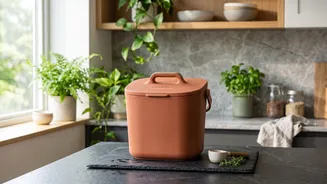
Home composting offers a simple and effective alternative. Unlike the anaerobic conditions in a landfill, composting is an aerobic process, meaning it requires oxygen. When you mix your kitchen scraps with 'brown' materials like dried leaves or cardboard, you create an environment where beneficial microorganisms thrive. These microbes break down the organic matter efficiently, with the main byproducts being water, a little heat, and carbon dioxide. While CO2 is a greenhouse gas, the CO2 released during composting is part of a natural biological cycle and is far less damaging than the methane produced by landfills.
Building Healthy Soil to Protect Water
The end product of composting is humus, a dark, nutrient-rich soil amendment that is invaluable for gardening. But its benefits go far beyond feeding plants. Adding compost to soil dramatically improves its structure. It helps heavy clay soils drain better and allows sandy soils to retain more water. This improved water retention means less need for watering and, crucially, less stormwater runoff. When rain falls on soil enriched with compost, more of it is absorbed, replenishing groundwater naturally instead of running off hard surfaces, picking up pollutants, and overwhelming urban drainage systems. The compost itself also acts as a natural filter, trapping pollutants and preventing them from reaching our waterways.