
Mathura: The Heart of the Celebration
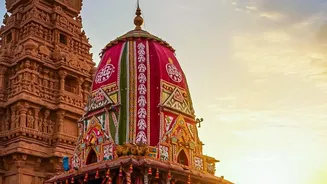
No Janmashtami journey is complete without visiting Mathura, the sacred city revered as Lord Krishna's birthplace. The epicentre of the festivities is the Shri Krishna Janmabhoomi temple complex, which is believed to stand at the exact spot where Krishna was
born in a prison cell. On Janmashtami, which falls on September 4th in 2026, the city is enveloped in a spiritual atmosphere. The main event is the midnight celebration, or Janmotsav, where the idol is given a ritualistic bath with milk, curd, and honey, a ceremony called the 'Abhishek'. Devotees throng the temple, singing hymns and waiting for the auspicious moment of birth, creating an unforgettable experience of pure devotion.
Vrindavan: The Divine Playground
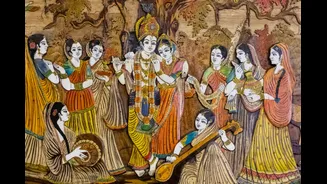
Just a short drive from Mathura lies Vrindavan, the town where Krishna spent his playful childhood. The celebrations here begin ten days before the actual festival. The town, home to over 4,000 temples, becomes a vibrant spectacle of faith. Key temples like Banke Bihari, ISKCON, and Prem Mandir are lavishly decorated, hosting non-stop bhajans, kirtans, and Raas Leela performances that re-enact Krishna's life. The air is thick with devotion as pilgrims move through the narrow lanes, absorbing the divine energy of Krishna's childhood home.
Mumbai: The Thrill of Dahi Handi
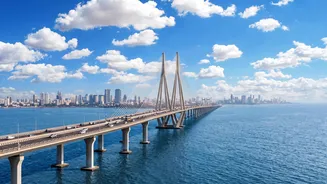
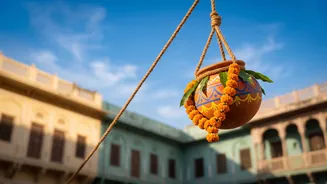
For a more adrenaline-fueled celebration, head to Mumbai. The day after Janmashtami, the city erupts in the joyous and competitive festival of Dahi Handi, which in 2026 is on September 5th. This tradition reenacts Krishna's mischievous childhood love for stealing butter. Teams of young men, called 'Govindas', form towering human pyramids to reach and break a clay pot ('handi') filled with curd, which is suspended high above the streets. Areas like Dadar, Ghatkopar, and Thane host some of the most spectacular events, complete with music, dancing, and large crowds cheering on the teams. It’s a breathtaking display of teamwork, community spirit, and pure energy.
Dwarka: The Kingdom by the Sea
In Gujarat, the coastal city of Dwarka, believed to be Krishna's ancient kingdom, celebrates Janmashtami with royal grandeur. The magnificent Dwarkadhish Temple, also known as Jagat Mandir, is the heart of the festivities. The celebrations follow the daily routine of the Lord, with a special 'Abhishek' or holy bath ceremony being a major highlight, a ritual that devotees can witness only twice a year. The deity is adorned with opulent gold jewellery and precious stones. At midnight, the temple echoes with joyous chants as devotees welcome the birth of their king.
Udupi: A Southern Tradition
For a unique southern flavour of Janmashtami, Udupi in Karnataka is a must-visit. The Sri Krishna Matha, founded by the saint Madhvacharya, has its own distinct traditions. Here, the deity of Krishna is worshipped through a nine-holed, silver-plated window known as the Navagraha Kindi. The festival is a two-day event, featuring devotional songs, cultural performances, and the preparation of special sweets like 'laddus' as offerings. A highlight is the Sri Krishna Leelotsava, a grand procession held the day after Janmashtami, which turns the temple's main street into a festive arena.
Puri: The Jagannath Connection
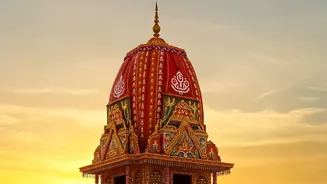
In Puri, Odisha, Janmashtami is intrinsically linked to Lord Jagannath, who is worshipped as a form of Krishna. The celebrations at the famous Jagannath Temple begin 17 days before the festival. Artists enact episodes from Krishna's life, and the temple holds special rituals throughout the day. A unique tradition here is the offering of 'Jeuda bhog', a special food preparation believed to ease the labour pains of the deity before she gives birth to Krishna and Rama. The festivities culminate at midnight, tying the local Jagannath tradition into the larger celebration of Krishna's birth.