





The Ghost in the Food Machine
Cloud kitchens, also known as ghost or virtual kitchens, are a defining feature of India's modern food landscape. Unlike traditional restaurants, they have no dining rooms or storefronts. They are purely production spaces, built exclusively to serve the booming
online delivery market. This model allows entrepreneurs to launch food brands with lower overhead costs, avoiding expensive real estate and front-of-house staff. The Indian cloud kitchen market, valued at over a billion dollars, is projected to grow significantly, driven by urban lifestyles, convenience, and the sheer dominance of food delivery platforms. For consumers, it means unprecedented variety at their fingertips. For operators, it’s a hyper-competitive, data-driven business where efficiency is everything.
The Comfort Food Equation
There's a reason your app is filled with burgers, pizzas, biryanis, and fried snacks. Comfort foods dominate cloud kitchen menus for sound business reasons. These dishes are typically made from ingredients with a longer shelf life and are easier to standardize, which is crucial for maintaining consistency. More importantly, they travel well, retaining their temperature and texture during the 20-30 minute delivery window. Profitability is another key factor. High-margin items with reliable demand, such as burgers and sandwiches, are a safer bet for businesses operating on thin margins after paying hefty commissions to delivery aggregators. This operational logic creates a feedback loop that prioritizes food that is easy to make, profitable to sell, and resilient enough for delivery, often at the expense of nutritional diversity.
An Appetite for Change
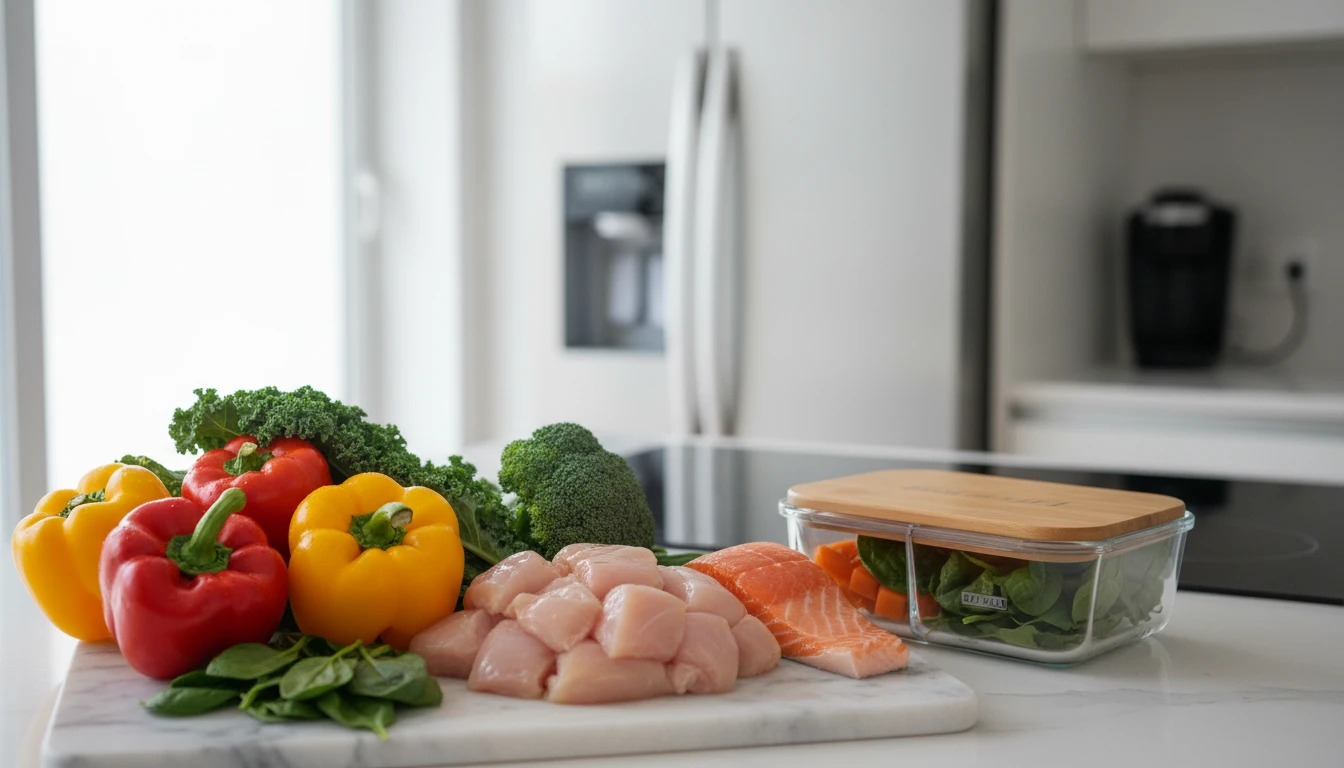
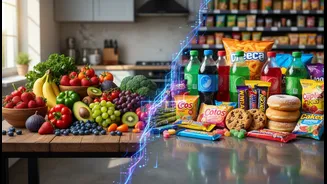
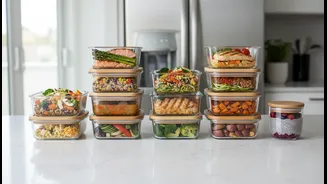
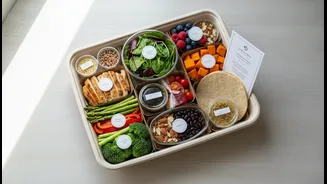
While the industry was built on the back of comfort food, consumer preferences are evolving. There is a rapidly growing demand for healthier food options across India, a trend that accelerated post-pandemic. Consumers, particularly younger generations like Gen Z, are increasingly health-conscious and willing to pay more for quality and nutritional value. This shift is evident in the rising popularity of salads, grain bowls, protein-rich meals, and plant-based alternatives. Major e-commerce platforms report that a significant portion of their food business growth comes from healthier categories like nuts, seeds, and cold-pressed oils. This indicates a clear market opportunity for cloud kitchens to cater to a new wave of discerning customers who want convenience without compromising on wellness.
The Blueprint for a Healthier Menu
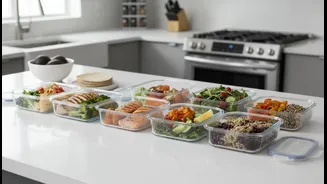
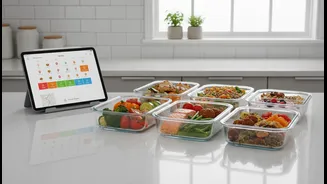
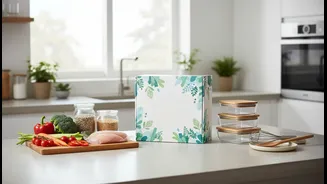
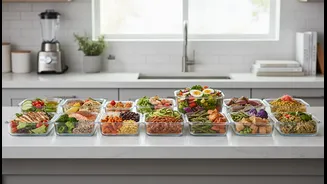
Pivoting to a healthier menu presents challenges, including managing fresh ingredients with shorter shelf lives and maintaining quality during transit. However, successful models are emerging. Brands like Curefoods are building entire platforms dedicated to providing healthy and nutritious meals. Some operators are finding success with subscription-based services for salads and balanced meals, building a loyal customer base. Technology plays a vital role, with AI-powered systems helping to predict demand, reduce food waste, and optimize menus. The key is to engineer menus that are both healthy and delivery-friendly. This can involve using better packaging, focusing on recipes that hold up well over time, and educating consumers about the nutritional benefits of the offerings. It's not just about selling salads; it's about reimagining what convenient food can be.