








The Return of a Timeless Comfort
It’s a ritual as old as the seasons. The first sign of a monsoon-induced sniffle or a scratchy throat often sends us reaching for the spice box. The humble Kadha, a traditional Ayurvedic decoction, has been a cornerstone of Indian home remedies for centuries.
While it has always been a rainy-day staple, its popularity skyrocketed during the pandemic, transforming it from a simple home comfort into a wellness phenomenon. Now, with every monsoon, this 'craze' is reignited. It's more than just a hot drink; it's a cup of nostalgia, a feeling of being cared for, and a proactive step towards staying healthy when the weather turns.
Decoding the Spice Box Pharmacy
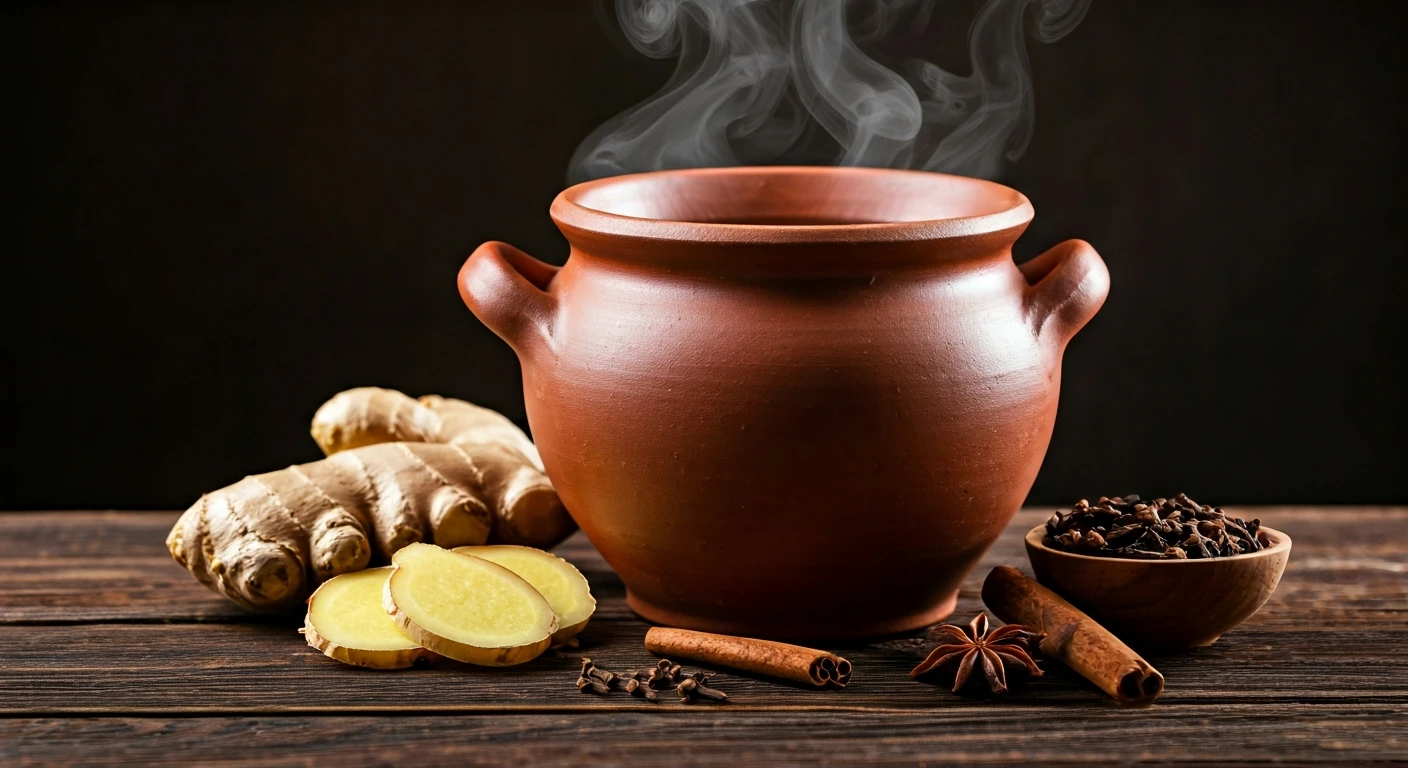
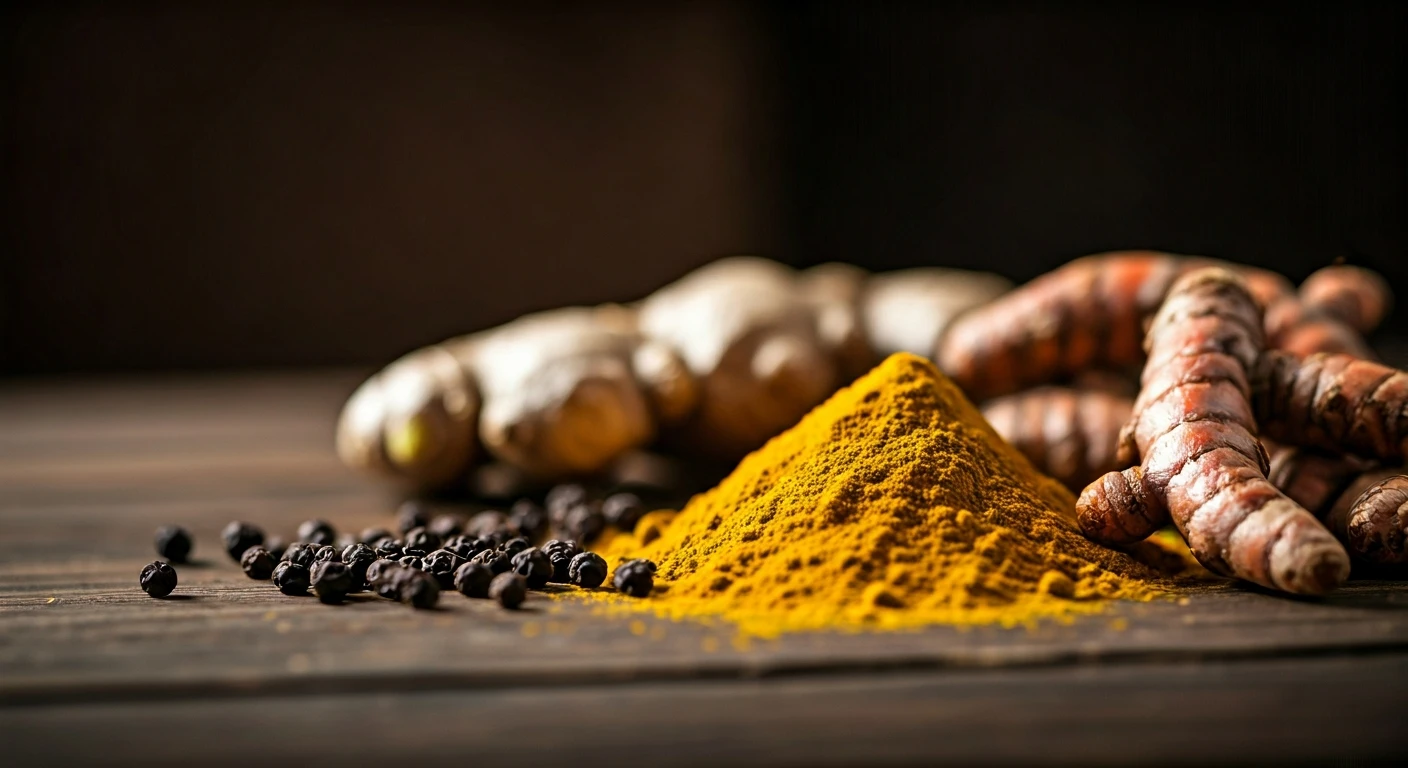
So, what exactly is in this magical potion? While recipes vary from family to family, a classic Kadha is a symphony of potent spices and herbs, each playing a specific role. Tulsi (Holy Basil) is revered for its antibacterial and antiviral properties. Adrak (ginger) is a powerful anti-inflammatory agent that soothes sore throats. Kali Mirch (black pepper) helps with congestion and enhances the bioavailability of other ingredients, particularly turmeric. Laung (cloves) are rich in antioxidants and have antiseptic qualities. And Dalchini (cinnamon) not only adds a warm, sweet flavour but also helps in fighting infections. When simmered together in water, these ingredients release their essential oils and compounds, creating a brew designed to fortify the body's defences.
Science Meets Tradition: The Health Halo
While our grandmothers relied on ancestral wisdom, modern science has begun to validate many of Kadha's benefits. Numerous studies have confirmed the immunomodulatory and anti-inflammatory properties of ingredients like ginger, turmeric, and tulsi. Black pepper contains piperine, which is known to improve digestion and metabolic performance. These spices are loaded with antioxidants that help combat oxidative stress and cellular damage in the body. So, yes, a well-made cup of Kadha can genuinely help in alleviating symptoms of a common cold, soothing a cough, and providing a gentle boost to your immune system. It's a prime example of how traditional food wisdom often has a strong scientific basis.
A Word of Caution: The Kadha Overdose
Here's where the 'craze' needs a reality check. Enthusiasm for Kadha has led many to believe that 'more is better,' which is a dangerous misconception. The spices in Kadha are potent because they are 'heaty' in nature, according to Ayurveda. Overconsumption can lead to a host of problems, including acidity, stomach ulcers, heartburn, and even liver issues in severe cases. Nutritionists and doctors warn against drinking multiple cups a day. The key is moderation. Think of Kadha as a medicinal supplement, not a replacement for your daily chai or coffee. People with existing medical conditions, especially those related to the stomach or liver, and pregnant women should exercise extreme caution and consult a doctor before making it a regular habit.
Your Guide to a Balanced Brew
To reap the benefits without the risks, focus on balance. A small cup (around 150 ml) once a day, or even a few times a week, is generally considered safe for most healthy adults. Don't boil the spices for too long, as it can make the decoction excessively potent and bitter. A gentle 10-15 minute simmer is sufficient. Listen to your body. If you feel any discomfort, like acidity or a burning sensation, reduce the quantity of 'heaty' spices like ginger and black pepper, or reduce the frequency of consumption. You can add a drop of ghee or a spoonful of honey (after the brew has cooled slightly) to temper the heat and soothe the throat.