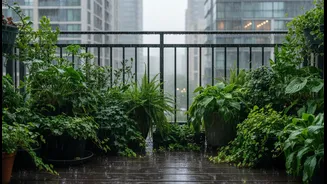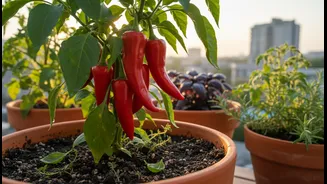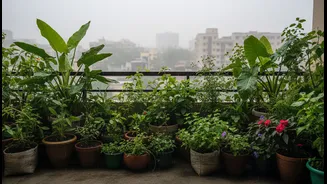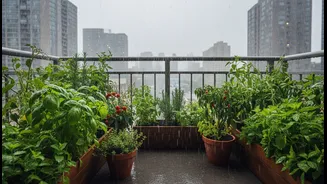


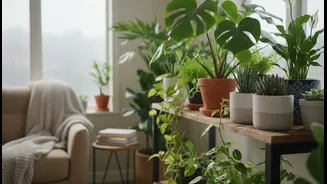
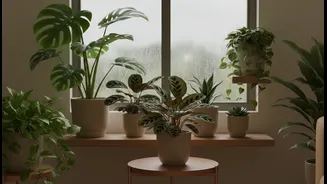


Claim: Any Plant Will Thrive in the Rain
The most common myth is that the monsoon’s abundance of water is good for all plants. In reality, many popular plants, especially succulents and those adapted to dry climates, cannot tolerate constant wetness and will quickly succumb to root rot. Before
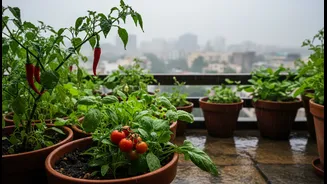
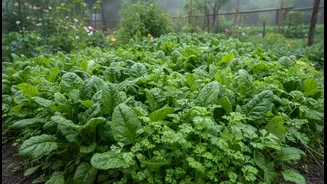
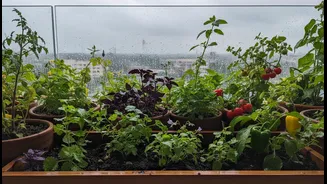
you plant, verify that your chosen species is monsoon-friendly. Vegetables like okra, gourds, beans, and chillies, along with herbs like tulsi and mint, generally do well in the warm, humid conditions. However, claims that anything will grow are misleading. Check a plant's specific needs; some still require shelter from torrential downpours to prevent damage.
Claim: A 'Magic' Soil Mix Is All You Need
You may see sellers promoting special soil blends that promise explosive growth. While good soil is crucial, there is no single “magic” formula. The most critical factor for monsoon gardening is drainage. Heavy, clay-like soils retain too much water, suffocating roots. A reliable potting mix for the rainy season is one that drains freely. Verify any claims by checking the ingredients. A good mix typically contains garden soil, compost for nutrients, and an aeration material like cocopeat or perlite to keep it light and prevent waterlogging. Compacted soil is an enemy to healthy monsoon plants.
Claim: You Don't Need to Worry About Drainage
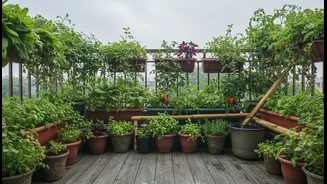
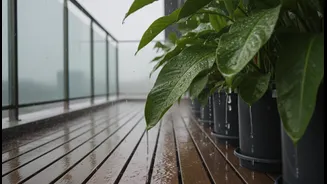
This is perhaps the most dangerous claim for potted plants. Waterlogging is the primary cause of plant death during the monsoon. Viral videos often show beautiful pots without mentioning the risk of stagnant water. Before you start, verify that every single pot has multiple, unobstructed drainage holes at the bottom. Furthermore, placing pots directly on the balcony floor can block these holes. It is essential to elevate your containers using bricks, stones, or pot stands to allow excess water to escape freely and ensure air can circulate underneath. Also, remove the saucers or trays from under your pots, as they will collect rainwater and leave your plants sitting in a puddle, leading directly to root rot.
Claim: You Can Stop Watering Your Plants
It seems logical: if it’s raining, you don’t need to water. This is an oversimplification. Plants on a covered or partially-sheltered balcony may receive very little rainwater and can still dry out. Conversely, continuing a daily watering routine out of habit can quickly overwater a plant that has already been soaked by a downpour. The only reliable method is to check the soil manually. Before watering, stick your finger an inch or two into the soil. If it feels damp, leave it alone. Adjust your watering based on observation, not a fixed schedule.
Claim: Pests and Diseases Disappear in the Rain
The opposite is often true. The high humidity and damp conditions of the monsoon create a perfect breeding ground for fungal diseases like powdery mildew and black spot, as well as pests like snails and slugs. A healthy-looking garden can be quickly overrun. Verify claims of “pest-proof” gardens with skepticism. Good practice involves regular inspection of leaves for any signs of trouble. Ensuring good air circulation by not overcrowding your plants can help prevent fungal growth. Proactive, natural solutions like a neem oil spray can be effective for prevention.
Claim: A Monsoon Garden Is a 'Plant-and-Forget' Project
The idea of a self-sustaining monsoon garden is appealing but ultimately false. The rainy season requires a different, more vigilant kind of gardening. Beyond checking water levels, you need to provide support for tall plants and climbers that can be damaged by strong winds. Pruning dead or yellowing leaves is crucial to improve air circulation and prevent the spread of disease. And after heavy rains, it’s important to check that drainage holes haven't become clogged and that pots aren't sitting in stagnant water, which can also become a breeding ground for mosquitoes.