

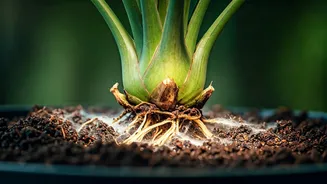


Why Fungus Loves Wet Soil
Constantly wet soil is a problem because it suffocates plant roots. Roots need air pockets in the soil to breathe; when those are filled with water, the root cells begin to die. This decaying matter, combined with a lack of light and poor air circulation,
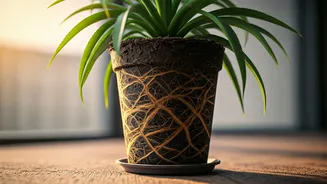
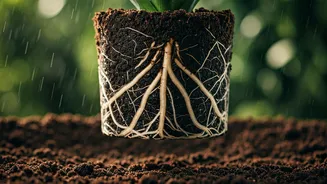
creates an ideal breeding ground for various fungi that may have been dormant in the soil. The most dangerous result is root rot, a fungal disease that causes roots to become black and mushy, losing their ability to absorb water and nutrients. This is why an overwatered plant can look wilted, similar to an underwatered one—its damaged roots can no longer hydrate the plant.
Signs of an Overwatering Problem
Before you see visible fungus, your plant will give you clues that its soil is too damp. The most common sign is leaves turning yellow or brown and feeling soft or limp, especially near the base of the plant. You might also notice that both old and new leaves are dropping from the plant at the same time. Another key indicator is the soil itself. If it stays wet for days, emits a musty or rotten odour, or you see tiny black flies called fungus gnats swarming around, you're likely overwatering. These gnats lay their eggs in moist soil, and their larvae feed on roots and organic matter.
Identifying the Fungal Foe
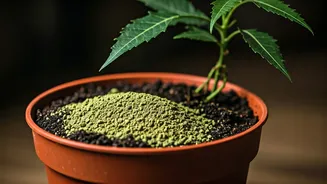
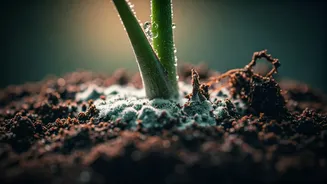
Different types of fungus can appear. A common sight is a harmless white, fluffy mold on the surface of the soil. This saprophytic fungus feeds on decaying organic matter in the soil and is usually not dangerous to the plant itself, though it's a clear sign that conditions are too wet. More harmful fungi include powdery mildew, which looks like a dusting of flour on the leaves and can weaken the plant by blocking sunlight. Sooty mold is a black fungus that grows on the sticky secretions of pests. The most severe is root rot, which isn't visible until you unpot the plant and see dark, slimy roots instead of firm, white ones.
First Aid for an Ailing Plant
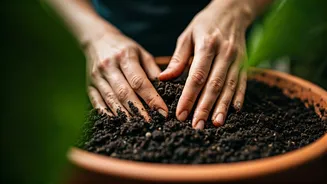
If you suspect a fungal issue, act quickly. Start by physically removing the visible fungus. Scrape off the top inch or two of moldy soil and dispose of it. For fungus on leaves, like powdery mildew, trim the affected leaves and discard them. For a plant with wilting leaves and soggy soil, you must check the roots. Gently remove the plant from its pot. If the roots are brown and mushy, you have root rot. Using sterile scissors, trim away all the dead or rotting roots. If the problem is persistent, it's best to repot the plant entirely in fresh, well-draining soil and a clean pot.
The Art of Proper Watering
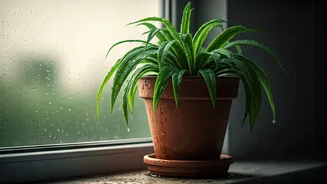
Prevention is all about mastering your watering technique. Instead of watering on a rigid schedule, check the soil first. A good rule of thumb is to stick your finger two inches into the soil; if it feels moist, wait to water. Watering in the morning is also recommended, as it allows excess moisture to evaporate during the day. When you do water, do so thoroughly until water runs out the drainage hole, then discard any excess from the saucer. This prevents the plant from sitting in stagnant water, which is a primary cause of root suffocation.
Your Best Defence: Soil and Pots
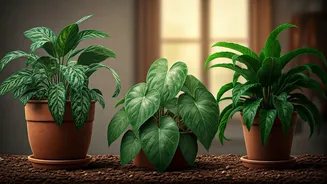
The right pot and soil are your strongest allies. Always use a pot with at least one drainage hole. If you fall in love with a decorative pot that has no holes, keep your plant in a plastic nursery pot and place it inside the decorative one. Your soil mix is just as critical. Standard potting mixes can often retain too much water for indoor conditions. Improve drainage by amending your soil with perlite, pumice, or coarse sand, which create air pockets and help water flow through. For plants that are especially sensitive to moisture, like succulents, a fast-draining cactus mix is essential.