





Know the Official Advisories for 2026
Before you even think about packing, be aware of the official directives. Following past incidents, the Pune district administration has implemented strict safety measures for the monsoon season, effective until August 31. Key tourist spots like Bhushi
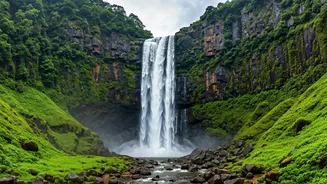
Dam, Pavana Dam, and the areas around waterfalls have prohibitory orders, meaning entry into the water is banned to prevent accidents from sudden surges. Taking selfies at dangerous ledges, swimming in fast-flowing water, and consuming alcohol in these areas are also strictly forbidden. Police have been enforcing these rules, and violations can lead to legal action. Expect authorities to close disaster-prone areas with little notice. Always check the social media pages of local police for the very latest updates before you leave.
Road Conditions and High-Risk Zones
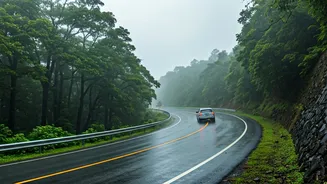
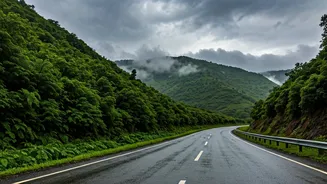
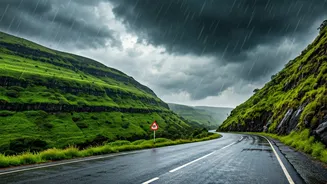
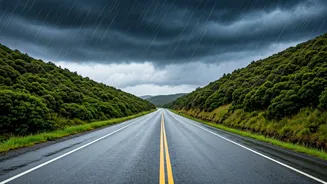
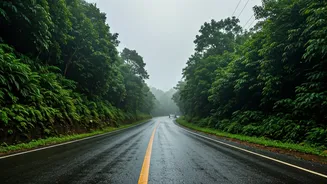
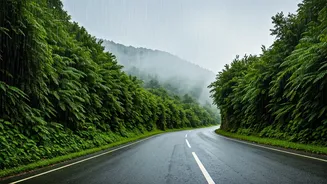
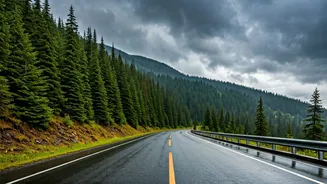
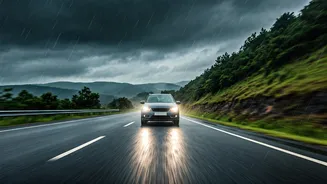
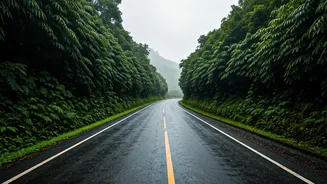
The drive itself is a major part of the Lonavala experience, but it’s also the riskiest. The Mumbai-Pune Expressway and the old highway are under high surveillance for landslide risks, especially during heavy rainfall. The India Meteorological Department (IMD) has issued alerts for heavy to very heavy rainfall across the region, which can lead to poor visibility and slippery roads. The ghat sections near Khandala are beautiful but require extreme caution. The Highway Safety Patrol (HSP) has launched a specific drive against motorists stopping on the expressway shoulder to view waterfalls, as this has led to fatal accidents in the past. Doing so is illegal and will result in fines. Areas like the Bhor and Tamhini ghats are also prone to falling rocks. Drive slowly, use headlights in fog, and maintain a safe distance from other vehicles.
Your Monsoon Driving Checklist
A prepared car is a safe car. Before your trip, ensure your vehicle is in top condition. Check your tyres for adequate tread and proper inflation to handle wet roads and prevent hydroplaning. Test your wipers, headlights, and fog lamps to make sure they are working effectively. It’s also wise to get your brakes checked. Pack an emergency kit in your car containing a powerful torch, a first-aid kit, a tow rope, and extra food and water in case you get stranded. A fully charged power bank for your phone is non-negotiable, as mobile networks can be unreliable in ghat areas during bad weather. Waterproof bags are essential to protect your electronics and important documents from the pervasive dampness.
What to Pack for a Monsoon Stay
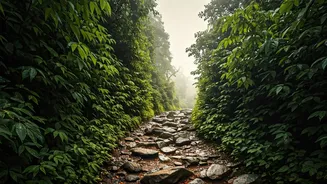
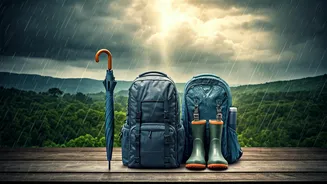
Packing for Lonavala's monsoon is all about staying dry and comfortable. Prioritise quick-drying fabrics and avoid silks or heavy jeans. A reliable rain jacket or poncho is far more practical than an umbrella, especially in windy viewpoints. When it comes to footwear, choose sturdy, waterproof boots or sandals with excellent grip; the basalt rock paths become extremely slippery when wet. Evenings can get chilly with the mist, so pack a light sweater or hoodie. Mosquito repellent is also a must-have, as the damp conditions are ideal for them. Given the possibility of power cuts during heavy rains, a personal power bank is a lifesaver.
In Case of Emergency
Even with the best planning, things can go wrong. Save the Lonavala Rural Police's 24/7 tourist helpline number on your phone before you leave: 9146032971. This line was set up specifically to provide immediate assistance to tourists in areas like Lion's Point, Lohagad Fort, and Pavana Dam. Additionally, the Expressway has its own helpline for road-related emergencies. Be aware of your surroundings, especially near water bodies, as flash floods can occur with little warning. It is better to be safe and turn back from a flooded trail or road than to risk crossing it.