




The Science of Muscle Repair
Every time you engage in a strenuous workout, you create tiny micro-tears in your muscle fibres. This is a normal part of getting stronger. The process of repairing these tears is what builds bigger, more powerful muscles. The primary nutrient your body
uses for this repair job is protein. Proteins are made of building blocks called amino acids. When you consume protein, your body breaks it down into these amino acids and uses them to rebuild the damaged muscle tissue, a process known as muscle protein synthesis. Without an adequate supply of these building blocks, your recovery can be slower, and your fitness gains may stall.
What Makes a Protein 'Complete'?
To understand protein's power, you need to know about amino acids. There are 20 different amino acids, but nine of them are called 'essential amino acids' (EAAs). Your body cannot produce these nine on its own; you must get them from food. A food source that contains all nine essential amino acids in sufficient quantities is called a 'complete protein'. Animal products like meat, eggs, and dairy are all complete proteins. Most plant-based foods, however, are considered 'incomplete' because they are low in one or more of these essential amino acids.
The Smart Strategy of Protein Combining
For years, a popular myth suggested that vegetarians must meticulously combine different plant proteins at every single meal to form a complete protein. Modern nutrition science has shown this isn't strictly necessary. Your body can pool amino acids from foods eaten throughout the day. However, consciously pairing complementary proteins remains a smart and highly effective strategy, especially for those focused on muscle recovery. It ensures you're consistently providing your body with the full spectrum of EAAs it needs for optimal repair. It takes the guesswork out of your daily nutrition and guarantees your muscles have the fuel they need when they need it.
The Perfect Pair: Grains and Legumes
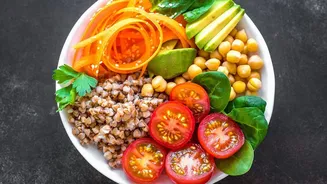
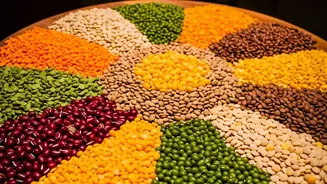
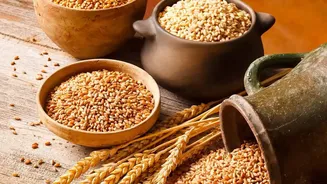
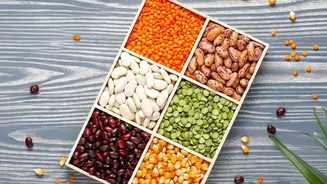
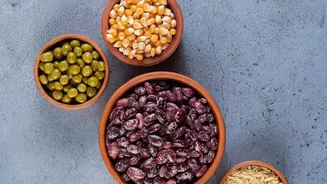
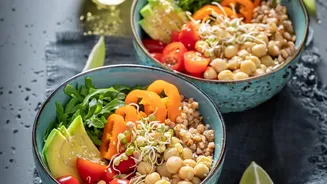
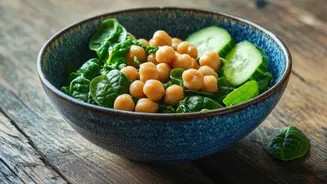
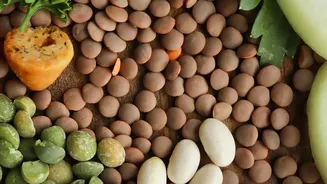
The combination of grains and legumes is a classic example of protein complementation. Legumes (like lentils, beans, and chickpeas) are typically high in the essential amino acid lysine but low in methionine. Grains (like rice, wheat, and oats) are the opposite; they are generally low in lysine but contain more methionine. When you eat them together, their amino acid profiles complement each other, filling in the gaps. This pairing creates a complete protein profile, providing your body with all the essential building blocks for robust muscle repair.
Traditional Indian Meals Have it Right
The good news for many in India is that this nutritional wisdom is already embedded in our traditional cuisine. Many staple meals naturally pair grains and legumes, creating complete proteins without a second thought. Classic examples include Dal-Chawal (lentils with rice), a comforting and nutritionally powerful meal. Similarly, Rajma-Chawal (kidney beans with rice) and rotis served with any dal or chana (chickpeas) achieve the same effect. Even breakfast foods like idli and dosa, made from a fermented batter of rice and lentils, are excellent sources of complementary protein. These time-tested combinations have been fueling the subcontinent for generations.
Other Power-Packed Vegetarian Proteins
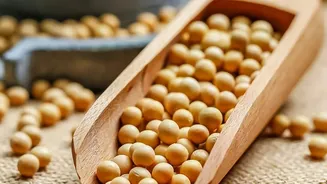
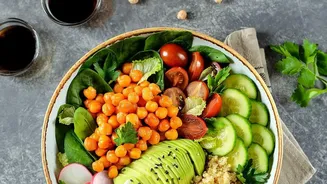
While pairing grains and legumes is a fantastic strategy, they aren't the only options. Several plant-based foods are complete proteins on their own. Soy products like tofu, tempeh, and edamame contain all nine essential amino acids. Quinoa, often called a 'super grain', is another complete protein powerhouse. Dairy products such as paneer, milk, and yogurt are also excellent complete protein sources, with paneer being particularly rich in slow-digesting casein protein that can aid overnight recovery. Including a variety of these foods will ensure your diet is both delicious and effective.