



The Theory: An Abrasive Barrier
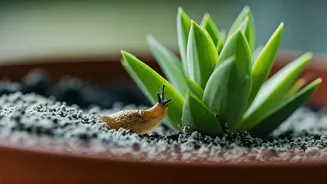
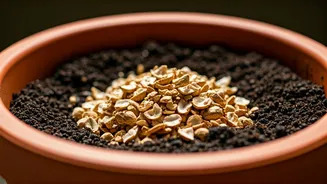
The logic behind using wood ash to deter slugs seems sound. Slugs and snails are soft-bodied molluscs that rely on a layer of slime to move. The theory is that the fine, abrasive, and salty nature of wood ash creates an unpleasant surface for them to cross.
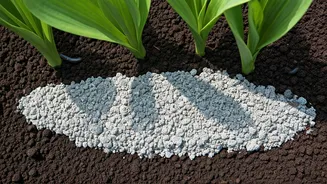
[14, 15, 17] When a slug attempts to glide over a line of ash, the sharp particles can irritate its sensitive foot, and the salts can draw moisture out of its body, causing dehydration. [14] This is why many gardeners are tempted to create a protective ring of ash around their precious seedlings and hostas. In principle, it acts as a physical barrier that pests will avoid. [15]
The Reality: A Temporary Fix at Best
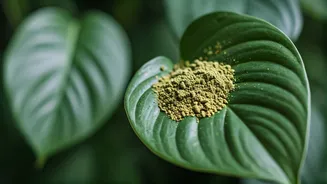
While the theory holds some water, the practical application is less effective than many hope. The slug-deterring properties of wood ash rely entirely on it being completely dry. [14, 16] The moment it rains, you water your plants, or even with heavy morning dew, the ash becomes a damp, useless paste. [14] Once wet, it loses its abrasive quality and no longer poses a threat to slugs. [16] In fact, some experiments show that while ash might deter smaller slugs, larger, more determined ones will simply produce more slime and push through the barrier, especially when it's damp. [16] This means you would need to reapply the ash constantly, after every watering or rainfall, making it a high-maintenance and unreliable solution. [14, 17]
The Hidden Danger: Damaging Your Soil's pH
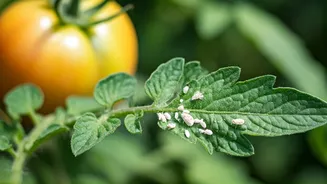
The biggest risk of using wood ash isn't its ineffectiveness, but the potential harm it can do to your soil. Wood ash is highly alkaline, with a pH that can be as high as 10 to 12. [23] The main component is calcium carbonate, which acts just like garden lime to raise soil pH. [4, 10, 20] While this can be beneficial for very acidic soils, most vegetables and ornamental plants thrive in slightly acidic to neutral soil (a pH of 6.0 to 7.0). [2, 3] Applying too much wood ash can rapidly make your soil too alkaline. [10] When the pH gets too high, essential nutrients like iron, manganese, and phosphorus become chemically 'locked up' in the soil, meaning your plants can't absorb them, even if they are present. [10, 13] This can lead to nutrient deficiencies, yellowing leaves (chlorosis), and poor plant growth. [1, 13]
When and How to Use Wood Ash Safely
Wood ash is not a villain; it just needs to be used correctly. It can be a valuable source of potassium (potash), calcium, and trace minerals. [1, 4] The right way to use it is as a soil amendment, not a topical pest control. First, get a soil test to determine your soil's current pH. [4, 20] Only apply wood ash if your soil is acidic (below pH 6.5) and needs liming. [4] Always use ash from untreated, natural wood only—never from charcoal briquettes, treated lumber, or painted wood, which can contain harmful chemicals. [3, 12, 18] Apply it sparingly, no more than about 1 kg per 10 square metres annually, and work it into the soil in winter or early spring, well before planting. [1, 11, 13] Keep it away from acid-loving plants like blueberries, rhododendrons, azaleas, and potatoes, as alkaline soil can encourage potato scab disease. [1, 6, 12]
Better Organic Ways to Manage Slugs
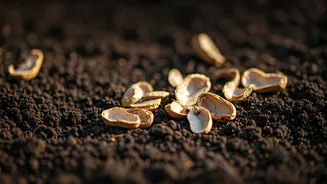
Since wood ash is a risky and unreliable slug barrier, it's better to turn to other organic methods that are both safer for your garden and more effective. Consider creating a more diverse garden ecosystem to encourage natural predators like birds, frogs, and hedgehogs, who feast on slugs. [8] Simple beer traps, made by sinking a container of beer into the soil, are highly effective at luring and drowning slugs. [5, 7] Physical barriers like copper tape can be wrapped around pots and raised beds; the copper reacts with slug slime to create a mild electrical sensation they dislike. [5, 6, 7] Spreading rough materials like diatomaceous earth or crushed eggshells can also work as a deterrent. [5, 6, 9] Finally, a late-evening patrol with a torch and a bucket to hand-pick slugs is often the most direct and effective method of all. [6, 8]