





More Than Just a Meal
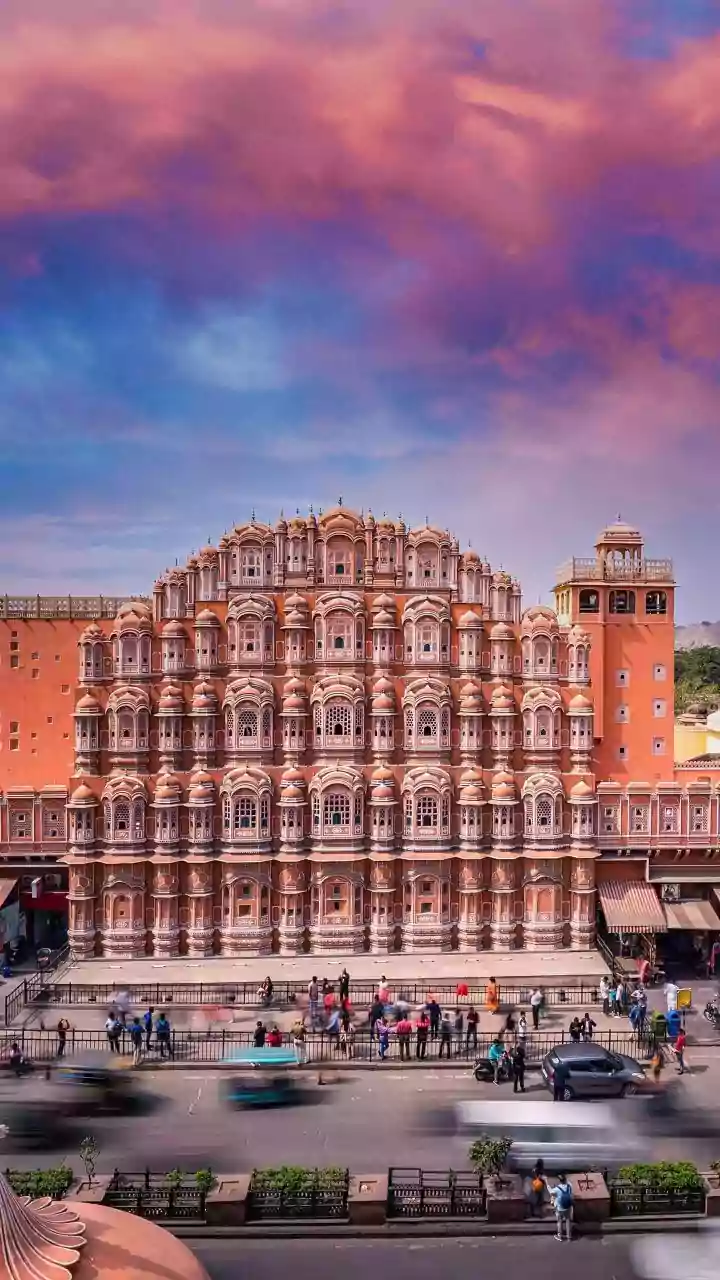
For generations, travel was defined by sights: the Taj Mahal, the Eiffel Tower, the Colosseum. Food was often an afterthought—a necessary fuel stop between attractions. But a delicious shift has occurred. Today, for a growing number of travellers, food
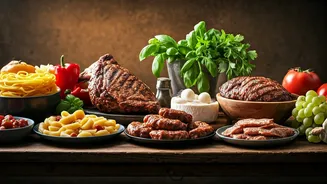
isn't just part of the trip; it is the trip. This is the world of culinary tourism, or 'foodie vacations', where the primary motivation for picking a destination is its gastronomic landscape. It’s about more than just finding a good restaurant. It’s an immersive approach to travel that involves exploring unique food cultures, from street food stalls and local markets to vineyards and cooking schools. Instead of asking “What should we see?”, the modern foodie traveller asks, “What should we eat, and where can we find its most authentic version?”
A Search for Authenticity
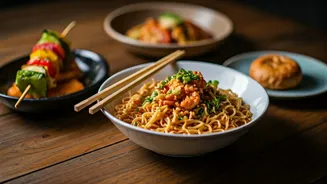
So, why the sudden obsession with eating our way around the world? Experts believe it’s tied to a larger search for authenticity. In an age of globalisation where high streets in different cities can look eerily similar, food remains one of the most powerful and distinct expressions of a local culture. A bowl of thukpa in a Leh market tells a story of Tibetan heritage and high-altitude living that a souvenir shop cannot. Learning to cook a Goan fish curry from a local host offers a deeper connection than a standard beach hotel experience. This type of travel moves beyond the passive act of sightseeing and into the realm of active participation. It’s a sensory-driven journey that engages not just your eyes, but your taste buds and sense of smell, creating memories that are far more vivid and personal.
India’s Diverse Culinary Map
India, with its staggering diversity, is a paradise for the culinary tourist. Every state, and sometimes every district, offers a unique gastronomic universe to explore. You could plan an entire vacation around the kebab trail of Lucknow, seeking out the legendary tunday kebabs and melt-in-your-mouth galoutis. Or head to Kerala, not just for the backwaters, but to experience a traditional Sadya feast served on a banana leaf and tour a spice plantation to see where your cardamom and pepper come from. A trip to Amritsar is incomplete without the pilgrimage to taste the langar at the Golden Temple and the city's famed kulchas. From the pandi curry of Coorg and the Parsi cafes of Mumbai to the wine-tasting rooms of Nashik, India offers a lifetime of foodie vacations without ever needing a passport.
How to Plan Your Perfect Plate
Planning a foodie vacation requires a slight shift in mindset. Instead of booking flights and then figuring out restaurants, do it the other way around. Let the food guide your itinerary. Start by researching the iconic dishes and food experiences of a region. Look for food walks, which are a fantastic way to get an insider’s tour of a city’s culinary hotspots. Consider signing up for a cooking class to learn the secrets behind your favourite dishes. Don’t be afraid to venture into local markets; they are the vibrant, beating heart of any food culture. And most importantly, talk to people. Ask your taxi driver, your hotel receptionist, or a local shopkeeper for their favourite place to eat. Often, the most unforgettable meals are found far from the polished tourist traps.