


The Common Winter Warning
For generations, the advice has been clear: avoid curd, or dahi, during the colder months. The belief is that its 'cold' nature can aggravate the respiratory system, leading to mucus production, coughs, and colds. This caution is especially strong when
it comes to eating curd at night or for children and the elderly, who are considered more susceptible to winter ailments. This long-held tradition has made many people wary, causing them to miss out on a nutritious food for a significant part of the year. But is this fear based on fact, or is it a myth that needs a closer look?
A Nutritional Powerhouse
From a modern nutritional standpoint, curd is a superfood that is beneficial in any season. It is packed with high-quality protein, calcium, magnesium, potassium, and essential vitamins like B2 and B12. Its most significant benefit comes from being a probiotic, containing live bacteria that promote a healthy gut. A healthy gut is the foundation of a strong immune system, which is crucial for fighting off the viruses that actually cause colds and flu. Scientific evidence does not support the idea that eating curd causes respiratory infections. In fact, some studies suggest that the probiotics in fermented dairy can help reduce the risk of such infections.
The Ayurvedic Perspective
The traditional hesitation around winter curd consumption finds its roots in Ayurveda. According to Ayurvedic principles, curd is considered 'guru' (heavy to digest) and can increase 'Kapha dosha'. Kapha is the dosha associated with qualities of cold, heaviness, and liquid, governing mucus and fluid balance in the body. For individuals who already have a Kapha imbalance or are prone to respiratory conditions like asthma, sinus issues, or frequent colds, consuming curd—especially if it's cold or eaten at night—can potentially worsen their symptoms by increasing mucus secretion. Interestingly, some Ayurvedic texts also describe curd as having 'ushna virya' or a warming potency, making it beneficial in winter to maintain body heat, but only when consumed correctly.
It's All About You
This brings us to the core of the issue: the decision to eat curd in winter is highly individual. There is no one-size-fitsall rule. Rather than following a blanket ban, it’s more important to listen to your own body. Ask yourself a few key questions: Are you prone to allergies, asthma, or sinus problems? Do you often get colds and coughs? Do you notice an increase in phlegm after eating dairy? If the answer is yes to any of these, you might be someone whose Kapha dosha is easily aggravated. In this case, you should be more cautious. However, if you have a strong digestive system and don't typically suffer from respiratory issues, there is no scientific reason to avoid this nutritious food.
How to Make Curd Winter-Friendly
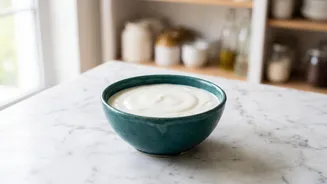
If you love curd and want to continue enjoying its benefits during winter, a few simple adjustments can make all the difference. These tips align with both modern advice and Ayurvedic wisdom. First, avoid eating curd straight from the refrigerator; let it come to room temperature. The ideal time for consumption is during the day, preferably with your lunch, when your digestive fire ('agni') is at its strongest. Avoid having it at night, as digestion slows down and Kapha qualities dominate. To counteract its mucusndorming properties, you can mix in warming spices like a pinch of black pepper, roasted cumin powder, or a little ginger. Always opt for fresh, homemade curd and avoid any that has turned too sour.