



The Golden Rule: Clean and Dry After Every Walk
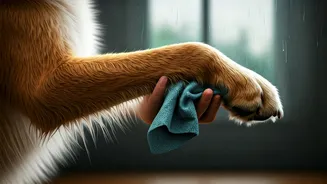
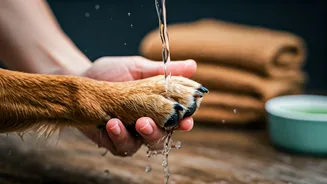
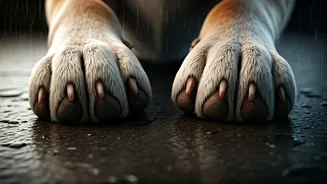
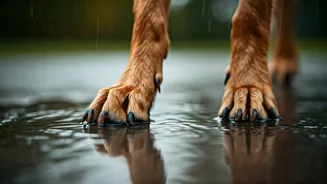
The single most effective habit to prevent monsoon paw problems is cleaning and drying your dog's paws immediately after every single walk. Puddles and waterlogged streets are full of germs. Upon returning home, rinse your dog’s paws with lukewarm water,
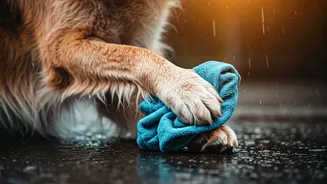
making sure to gently clean between the toes and pads where moisture and debris get trapped. After rinsing, use a soft, absorbent towel to dry them thoroughly. Trapped moisture is the primary cause of most fungal and bacterial infections that thrive in warm, damp conditions. This simple five-minute routine can prevent the vast majority of issues.
Strategic Grooming: Trim Fur and Nails
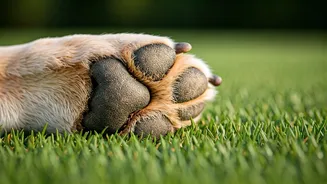
For many breeds, the fur between the paw pads acts like a sponge, trapping water, mud, and germs. Keeping this hair trimmed short is a crucial step that is often overlooked. Shorter fur makes paws easier to clean, allows them to dry much faster, and improves air circulation, which helps prevent the growth of yeast and fungi. Similarly, keeping your dog's nails trimmed helps prevent dirt and debris from accumulating underneath them and can prevent painful walking that might lead to other injuries.
Add a Protective Barrier Before You Go
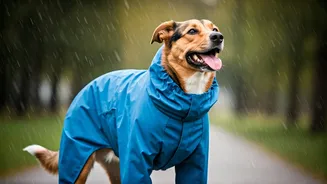
You can protect your dog’s paws even before stepping out. Applying a layer of a pet-safe paw balm or wax creates a hydrophobic barrier, repelling water and preventing irritants from making direct contact with the skin. For dogs that will tolerate them, waterproof dog booties offer the most comprehensive protection, keeping paws completely clean and dry while also shielding them from sharp objects hidden in muddy water. If your dog resists boots, a quality paw balm is an excellent alternative.
Know the Warning Signs of Infection
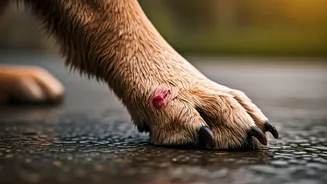
Early detection is key to managing any potential infection. Get into the habit of inspecting your dog’s paws daily, especially during your post-walk cleaning routine. Look for redness, swelling, or any cuts and scrapes. Notice if your dog is excessively licking or chewing their paws, as this is often the first sign of irritation or an underlying infection. Another tell-tale sign of a yeast infection is a distinct, musty or “cheesy” smell coming from the paws. Any of these symptoms warrant closer attention and care.
When to Use Home Remedies vs. See a Vet
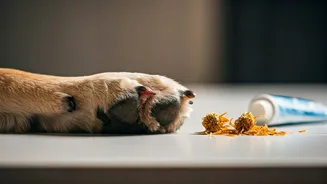
For minor irritation, some vets may suggest cleaning paws with a diluted pet-safe antiseptic wash. Some sources mention home remedies like a highly diluted apple cider vinegar rinse for its antimicrobial properties, but this should never be used on open cuts as it can cause stinging. However, these are not substitutes for professional medical advice. If you notice any persistent redness, swelling, limping, unpleasant odours, or open sores, it is crucial to consult your veterinarian. They can accurately diagnose whether the infection is bacterial or fungal and prescribe the appropriate medicated shampoos, ointments, or other treatments.
Maintain a Clean Indoor Environment
Your efforts outdoors can be supported by a clean home. Regularly wash your dog’s bedding, especially during the monsoon, as damp, dirty bedding can reintroduce bacteria and fungi onto their clean paws. Keeping your floors clean and dry also helps reduce the overall bacterial load in your home. Ensuring your dog has a clean and dry space to rest prevents them from lying in damp spots that can contribute to skin issues all over their body, not just their paws.