


The Living Root Bridges of Meghalaya
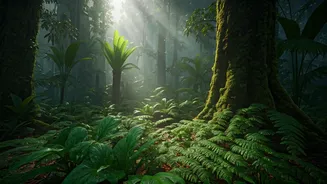
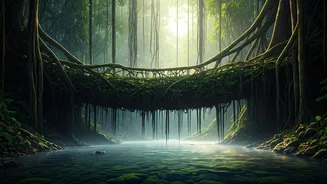
Deep within the dense, rain-soaked forests of Meghalaya, the Khasi and Jaintia tribes have mastered a unique form of natural architecture: living root bridges. Instead of building with wood or stone, they guide the aerial roots of the Ficus elastica tree
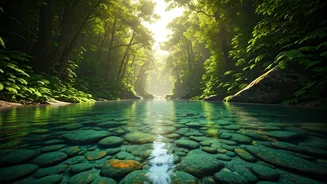
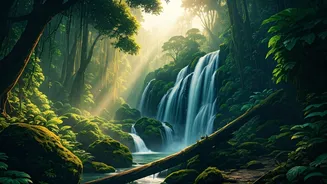
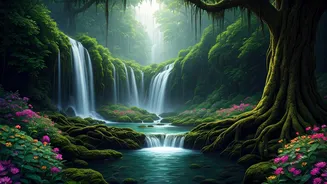
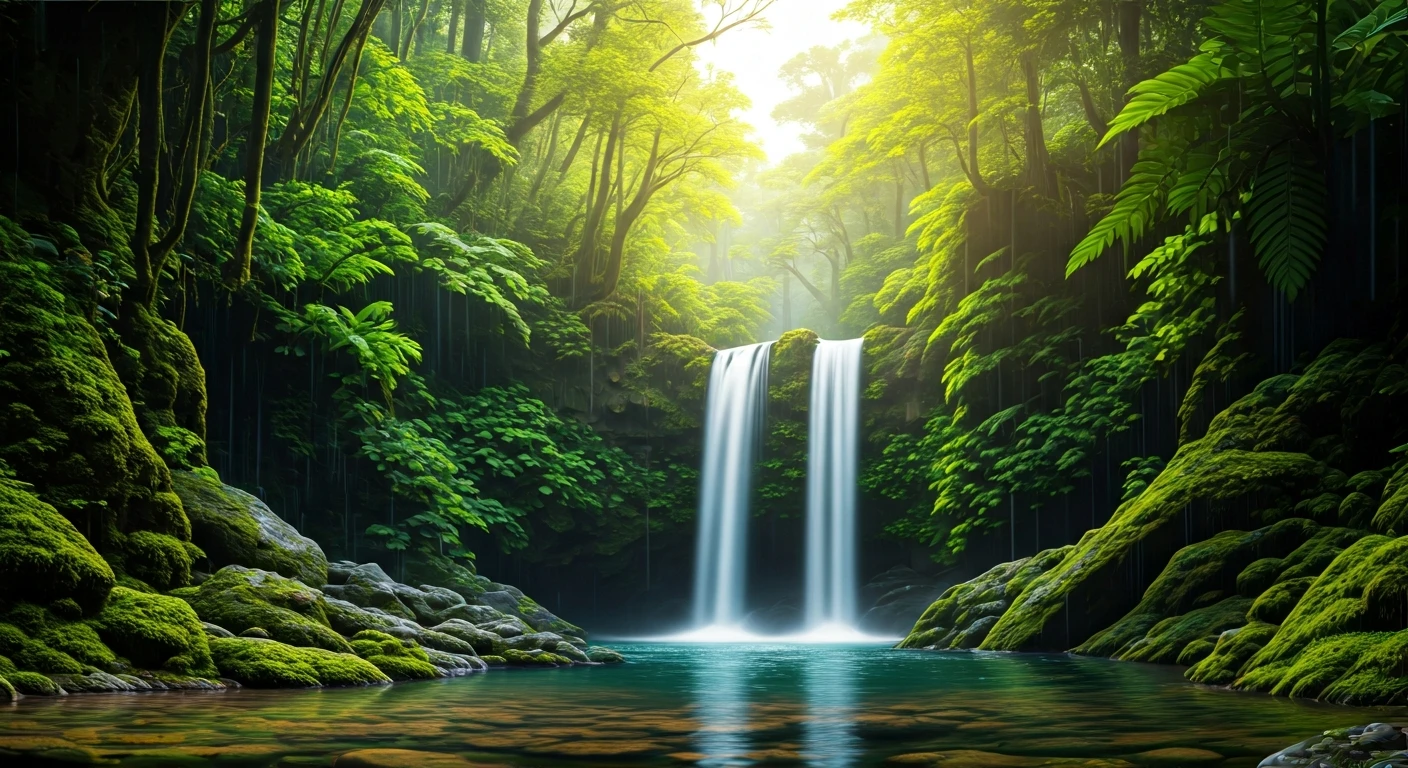
across rivers and gorges, weaving them together over decades until they form strong, living structures. The most famous of these is the Umshiang Double-Decker Root Bridge near Nongriat village, a two-tiered marvel that feels like a scene from a fantasy novel. Reaching it requires a challenging but rewarding trek through lush jungle, past waterfalls and natural pools. These bridges are a testament to the symbiotic relationship between humans and nature, growing stronger with each passing year.
The Valley of Flowers: Dzukou Valley
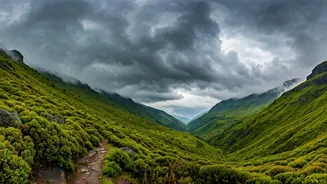
Straddling the border of Nagaland and Manipur, Dzukou Valley is a rolling expanse of green hills that transforms into a floral paradise during the monsoon season. Often called the 'Valley of Flowers of the Northeast', it becomes a carpet of endemic Dzukou Lilies, euphorbias, aconitums, and countless other wildflowers from June to September. Unlike its more famous namesake in Uttarakhand, Dzukou remains a quieter, more pristine destination for trekkers. The journey to the valley floor is an adventure in itself, offering panoramic views of the undulating landscape. Camping here, under a sky full of stars and surrounded by the scent of wild blooms, is an experience that stays with you forever. It’s a pure, unadulterated communion with the mountains.
India's Grand Canyon: Gandikota
Perched on the edge of the Erramala hills in Andhra Pradesh is a sight that will leave you speechless: Gandikota. This hidden gem is a magnificent gorge carved by the Penna River, earning it the nickname 'The Grand Canyon of India'. The landscape is a stunning panorama of red-hued layered rocks, a deep green river, and the vast sky above. Within this natural fortress lies the ruins of the 13th-century Gandikota Fort, complete with grand gateways, ancient temples, and a historic mosque. You can walk along the fort walls, explore the ruins, and find a spot on the edge of the canyon to watch a spectacular sunset. It's a place where history and geology collide in the most dramatic fashion, offering a sense of scale and timelessness that is hard to find.
The Disappearing Island: Majuli
Imagine an entire world existing on a river island. That's Majuli in Assam, the largest river island in the world, nestled in the mighty Brahmaputra. This is not just a geographical curiosity but a vibrant cultural hub, being the centre of Assamese Neo-Vaishnavite culture for centuries. The island is home to numerous satras (monasteries and cultural institutions) where you can witness traditional art forms like mask-making and dance. Life here moves at a gentle, unhurried pace, dictated by the rhythm of the river. However, this secret is a fragile one. Due to constant erosion from the Brahmaputra, Majuli is shrinking every year, making a visit both a beautiful and poignant experience. The best way to explore is by renting a bicycle and cycling through its verdant paddy fields and serene villages.
The Glowing Shores of Mattu Beach
While India has many beautiful beaches, few offer a spectacle as magical as Mattu Beach in Karnataka. By day, it’s a serene and clean coastline near Udupi, perfect for a quiet walk. But on certain nights, particularly during the post-monsoon months, the waves come alive with a surreal blue glow. This ethereal phenomenon is caused by bioluminescent phytoplankton, microscopic marine organisms that emit light when disturbed by the motion of the waves. Watching the water sparkle with every crash and ripple is like witnessing a galaxy wash ashore. It's a natural light show that feels otherworldly. Since the phenomenon is unpredictable, catching it is a matter of luck, making the experience all the more special and secret.