



Choose Your Winning Herbs
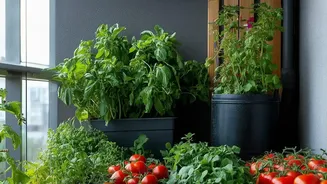
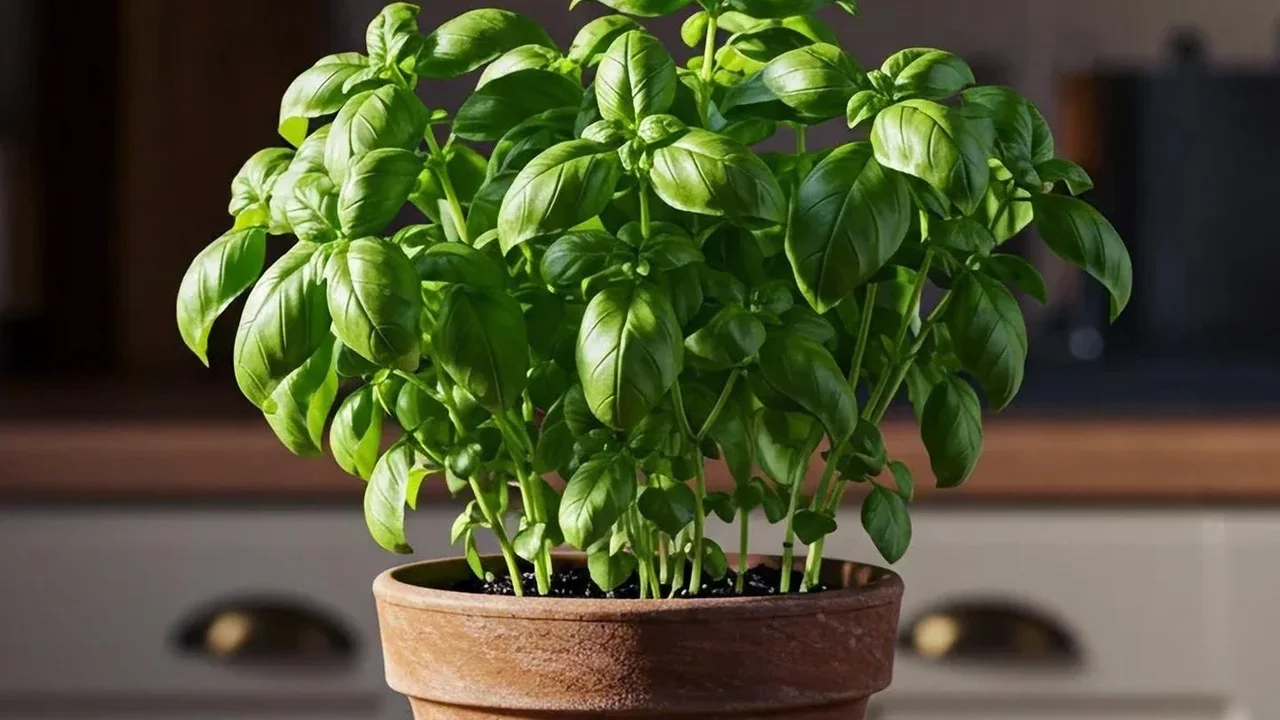
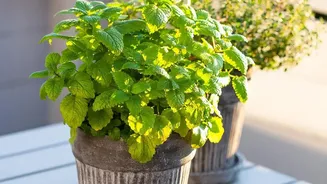
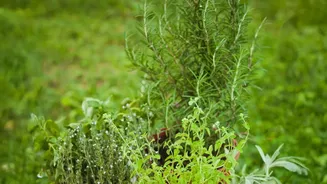
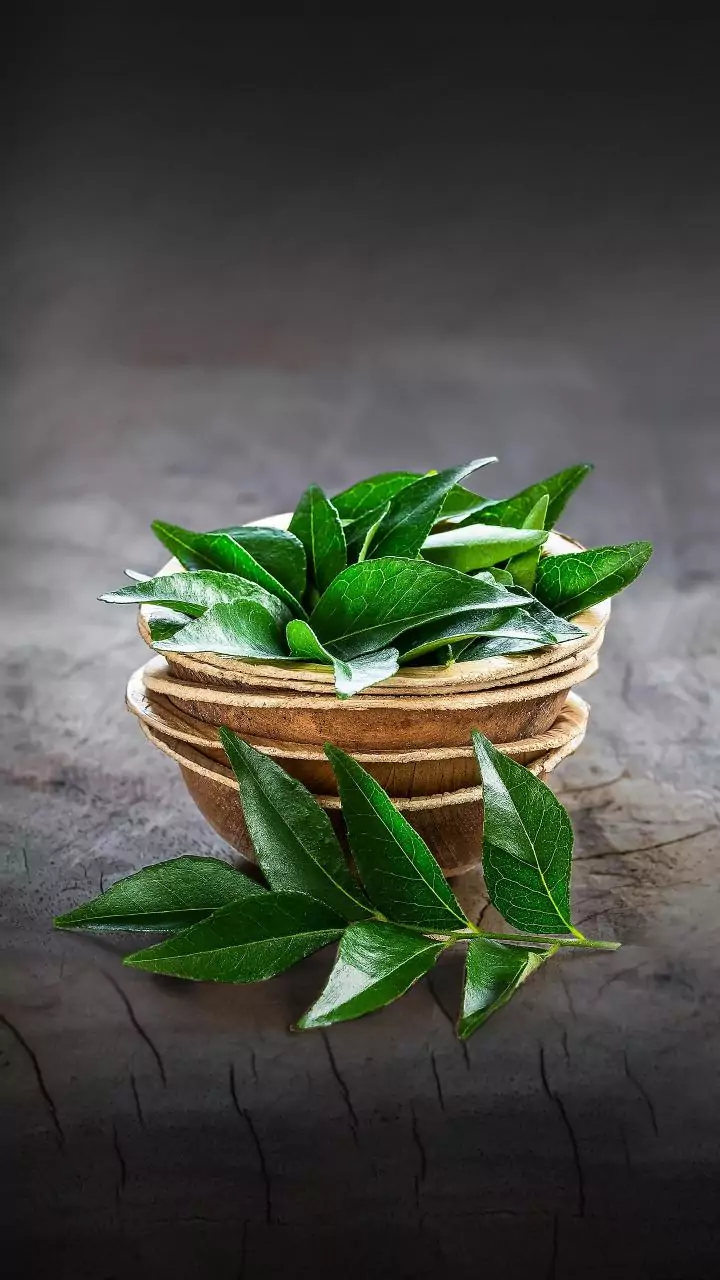
The secret to a successful start is choosing herbs that are both easy to grow and essential to Indian cooking. Start with the champions: Mint (Pudina), Coriander (Dhania), and Holy Basil (Tulsi). Mint is famously vigorous and thrives in pots, making it perfect
for containers. Coriander is a kitchen staple that can be grown in cycles, while Tulsi is a hardy, revered plant that does well in sunny spots. Curry Leaves (Kadi Patta) are another excellent choice, though they start slow and require a slightly larger pot as they grow. These herbs are relatively low-maintenance and provide quick, rewarding results for first-time gardeners.
Find the Perfect Potting Situation
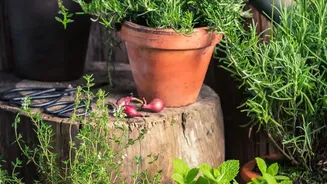
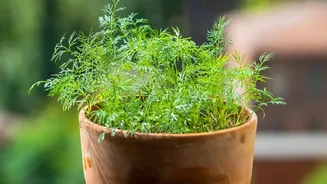
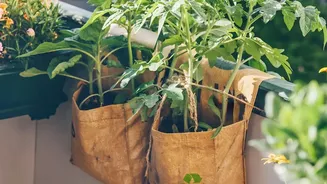
The right pot is non-negotiable for a healthy herb garden. The most critical feature is a drainage hole at the bottom. Herbs hate having 'wet feet,' and waterlogged soil can lead to root rot. Terracotta or clay pots are often recommended as they are porous, allowing air and moisture to move through the sides of the pot, which keeps the roots healthy. For most beginner herbs like mint or coriander, a pot that is 6-10 inches deep is a great starting point. If you're using recycled plastic containers, just be sure to poke a few holes in the base before planting.
It's All About the Soil Mix
You can't just scoop up any dirt and expect great results. Herbs need a loose, well-draining soil that is rich in nutrients. A common mistake for beginners is using heavy garden soil, which can become compacted in pots and choke the roots. The ideal potting mix for herbs is a simple, effective combination: one part garden soil, one part compost (like vermicompost or aged manure), and one part cocopeat. The soil provides structure, the compost provides nutrients, and the cocopeat helps with moisture retention and aeration. You can find these ingredients at any local nursery or order pre-made potting mixes online.
Location, Location, Sunlight
Sunlight is the fuel for your herbs, directly impacting their growth and flavour. Most common herbs, including Tulsi and other basil varieties, need at least four to six hours of direct sunlight every day. An east-facing balcony or window that gets gentle morning sun is ideal in the Indian climate. A south-facing spot also works well. Mint and coriander can tolerate partial shade, but they'll be bushier and more flavourful with more light. Before you place your pots, spend a day observing how the sun moves across your apartment to find the brightest spot available.
To Seed or Not to Seed
For absolute beginners, starting with saplings (small, young plants) from a local nursery is the easiest path to success. This allows you to skip the delicate germination stage and get straight to caring for an established plant. However, growing from seeds can be more cost-effective and rewarding. Herbs like coriander are best grown from seeds sown directly into the pot. When sowing, a good rule of thumb is to plant the seed at a depth of about twice its diameter. Don't sow them too deep, as this can prevent them from sprouting.
Watering Without the Worry
Overwatering is one of the most common ways beginner gardeners kill their plants. The rule is simple: water thoroughly, but not too frequently. Water the pot until you see it drain from the bottom hole, which ensures the entire root system gets a drink. Then, let the top inch or two of soil dry out completely before you water again. The easiest way to check is to stick your finger into the soil. If it feels dry an inch down, it's time to water. If it's still damp, wait another day. Mint is a bit more forgiving of moisture, but most other herbs prefer this wet-and-dry cycle.
Harvesting to Encourage Growth
Don't be shy about using your herbs! Regular harvesting actually encourages the plant to become bushier and more productive. For leafy herbs like mint and basil, pinch off the top sets of leaves right above a leaf node. This will prompt the plant to send out two new shoots from that point. For coriander, you can start snipping the outer leaves once the plant is about six inches tall, allowing the centre to continue producing new growth. This 'cut-and-come-again' method ensures a continuous supply of fresh herbs for your kitchen.